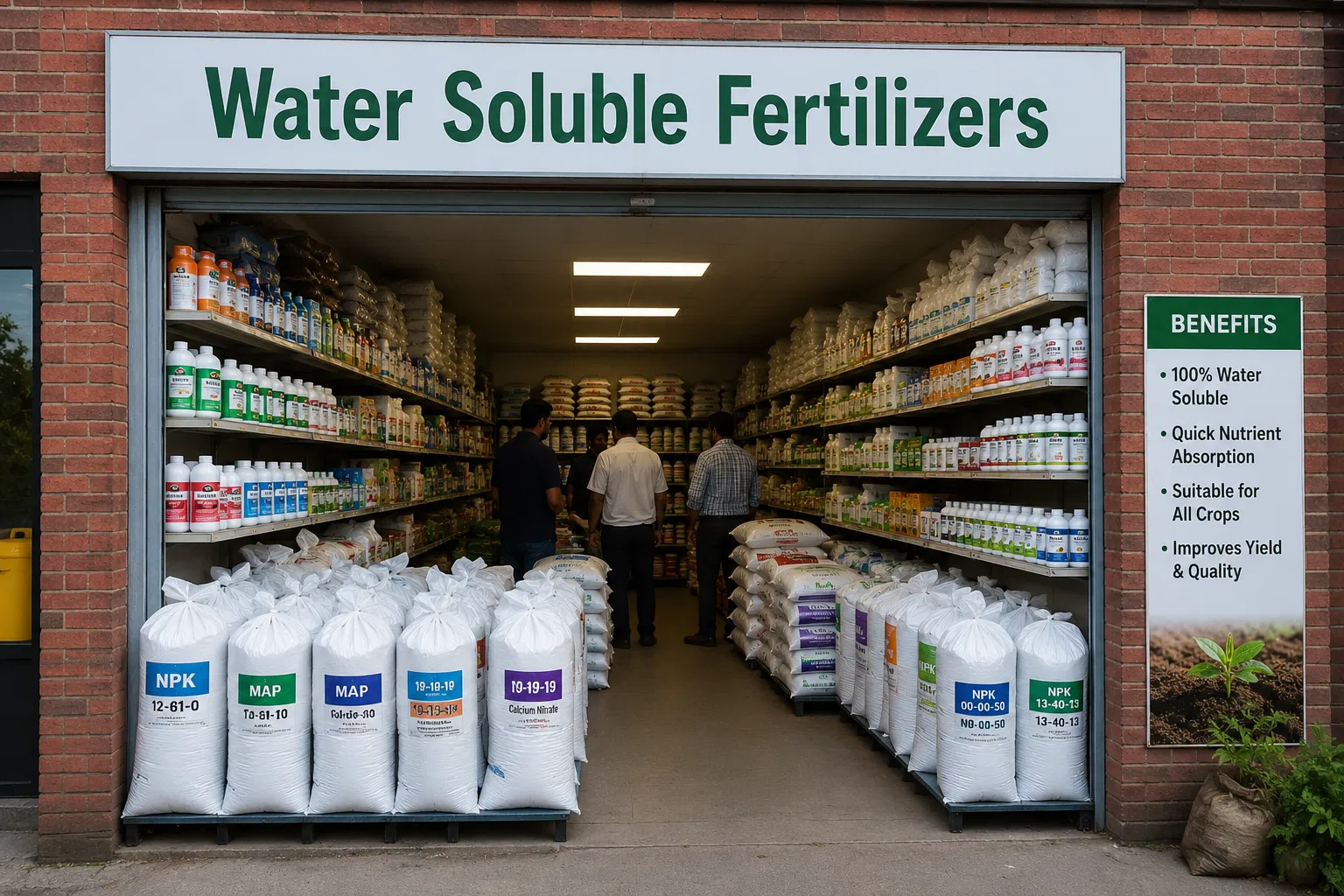
Water-soluble fertilizers are designed to dissolve quickly and feed plants efficiently, but they can become a frustrating mess if they absorb moisture and turn into hard clumps. If you’ve ever opened a bag or container only to find your fertilizer stuck together, you already know how important proper storage is. The good news is that preventing lumping is simple when you understand what causes it and how to protect your product from humidity, heat, and poor handling.
Whether you store fertilizer in a greenhouse, garden shed, warehouse, or utility room, the right storage practices can help maintain product quality, improve application accuracy, and reduce waste. Here’s how to store water-soluble fertilizers to keep them dry, free-flowing, and ready to use.
Why Water-Soluble Fertilizers Lump
Water-soluble fertilizers are highly sensitive to moisture. Because they are made to dissolve easily in water, they also tend to absorb water from the air. When that happens, the granules or powders begin to stick together, forming lumps that are hard to break apart.
Several factors contribute to lumping:
- High humidity: Moist air is the most common cause of clumping.
- Temperature swings: Condensation can form when containers move between warm and cool environments.
- Damaged packaging: Torn bags or weak seals allow moisture to enter.
- Improper storage areas: Damp floors, unventilated rooms, and exposed shelves increase risk.
- Repeated opening: Every time a container is opened, it is exposed to air and moisture.
Choose the Right Storage Location
The first step in preventing fertilizer lumping is selecting a dry, stable storage area. Water-soluble fertilizers should be kept indoors whenever possible, away from direct weather exposure and fluctuating temperatures.
Best storage conditions include:
- A cool, dry room with low humidity
- Good air circulation
- Protection from direct sunlight
- Stable temperatures
- Clean, elevated shelving off the floor
Avoid storing fertilizer in basements, open garages, or garden sheds that are prone to dampness. Even a small amount of moisture in the air can gradually affect the product.
Tip: If a room feels damp to you, it is probably not a good place for water-soluble fertilizer storage.
Keep Fertilizers in Airtight Containers
Original packaging is often designed to protect the product, but once opened, that protection may be reduced. Transferring water-soluble fertilizer into airtight containers can help prevent moisture exposure and preserve flowability.
Use containers that are:
- Made of moisture-resistant plastic or metal
- Equipped with tight-sealing lids
- Clean and completely dry before use
- Clearly labeled with the product name and purchase date
If you prefer to keep fertilizer in its original bag, fold the top over tightly and place the bag inside a sealed bin or storage tote. Double protection goes a long way in humid environments.
Protect Fertilizer From Moisture at All Times
Moisture control is the heart of preventing lumping. Even small habits can make a big difference in keeping fertilizers dry.
- Never store fertilizer directly on the floor. Use pallets, shelves, or racks to keep containers away from moisture that may rise from concrete or seep in from cleaning.
- Close containers immediately after use. Do not leave bags or buckets open while measuring or mixing.
- Use dry scoops only. A wet scoop can introduce enough moisture to start clumping.
- Avoid handling with damp hands. Even small amounts of water can affect the product.
- Keep away from water sources. Store fertilizer far from irrigation lines, sinks, hoses, and chemical wash areas.
Control Humidity in the Storage Area
Humidity is one of the biggest enemies of water-soluble fertilizer storage. If the environment is naturally humid, you may need to add extra protection.
Helpful humidity-control strategies include:
- Using a dehumidifier in enclosed rooms
- Installing ventilation fans where needed
- Monitoring relative humidity with a hygrometer
- Avoiding storage during seasonal wet periods if the area is unsealed
As a general rule, the drier the room, the better the fertilizer stays. If your storage space also holds seeds, crop inputs, or paper materials, that is often a sign the area is more climate-controlled and suitable for fertilizer storage too.
Store Fertilizer Away From Heat and Sunlight
While moisture is the main cause of lumping, heat can worsen the problem. High temperatures may damage packaging, increase condensation risk, and shorten shelf life. Direct sunlight can also heat containers unevenly, leading to material degradation.
Keep water-soluble fertilizers in a shaded area away from heaters, hot machinery, windows, and rooftop exposure. A cool storage environment helps maintain the product’s texture and performance over time.
Practice First-In, First-Out Inventory Rotation
One simple way to reduce clumping risk is to use older stock before newer stock. This is known as the first-in, first-out method, and it helps ensure fertilizer does not sit unused for long periods.
To stay organized:
- Write the purchase date on each container
- Place newer stock behind older stock
- Check inventory regularly
- Use partially opened containers first
Long storage time increases the chance that moisture will find its way into the product, even in good conditions. Proper rotation keeps inventory fresh and reduces waste.
Inspect Packaging Before and During Storage
Good storage starts before the fertilizer is even put away. Always inspect bags, pouches, and containers for holes, tears, weak seams, or loose closures. A small packaging defect can let in enough humidity to cause lumping over time.
During storage, check containers periodically for:
- Hardening or clumping in the product
- Damaged seals or lids
- Signs of water intrusion
- Rust, stains, or condensation near the storage area
If you find a compromised container, transfer the product to a clean, dry airtight bin as soon as possible.
Use Desiccants for Extra Protection
In especially humid environments, moisture-absorbing packets or canisters can offer added protection. Desiccants help reduce the amount of water vapor inside a sealed container, lowering the chance of clumping.
These are most useful when:
- Storing fertilizer in small quantities
- Opening containers frequently
- Living or working in a humid climate
- Keeping fertilizer in temporary transport bins
Be sure to use desiccants appropriate for the storage container and keep them separate from the fertilizer itself unless the product instructions say otherwise.
What to Do If Fertilizer Has Already Lumped
If your water-soluble fertilizer has started to clump, don’t panic. Light lumping can sometimes be broken apart carefully before use. Gently crush the material if the product still appears dry and free of contamination.
However, if the fertilizer has:
- Become hard as a rock
- Changed color
- Developed an odor
- Shown signs of water damage or mold
it may no longer be suitable for use. In that case, follow product disposal guidelines and replace it with fresh stock.
Final Thoughts on Preventing Fertilizer Lumping
Storing water-soluble fertilizers properly is all about controlling moisture, limiting temperature swings, and using airtight, clean containers. With the right storage setup, you can keep your fertilizer free-flowing, effective, and ready whenever you need it.
If you want consistent performance from your fertilizer, make storage a priority rather than an afterthought. A few smart habits today can save you from wasted product, messy clumps, and unnecessary frustration later. Keep it dry, keep it sealed, and keep it organized for the best results.