Weeds are one of the biggest frustrations in any garden or farm plot. They compete for water, nutrients, sunlight, and space, and once they get established, they can be hard to control without extra labor. One of the most effective ways to get ahead of the problem is the stale seedbed technique. This simple but powerful approach helps reduce weed pressure before your crop even goes into the ground.
If you want fewer weeds, less competition, and a cleaner start for your vegetables, flowers, or field crops, stale seedbed planting can make a major difference. It works by encouraging weeds to sprout first, then removing them before you sow your desired seeds. The result is a seedbed that is "stale" for weeds but ready for crops.
What Is the Stale Seedbed Technique?
The stale seedbed technique is a pre-plant weed control method used in vegetable gardens, market gardens, and row crop production. The idea is to prepare the soil early, wait for weed seeds near the surface to germinate, then eliminate those seedlings before planting your crop.
This method takes advantage of the fact that many weed seeds are already present in the soil and will germinate when conditions are right. Instead of planting immediately, you give weeds a chance to emerge first. Then you lightly disturb or kill them with shallow cultivation, flame weeding, or another non-selective method. After that, you plant into a much cleaner seedbed.
Why the Stale Seedbed Method Works
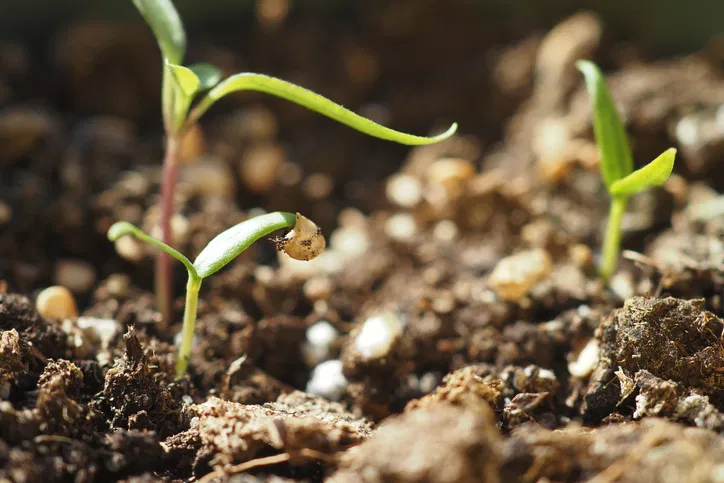
Weed seeds often remain dormant in soil until moisture, warmth, and light trigger germination. When you prepare a bed and irrigate or wait for rain, you create ideal conditions not only for your crop, but also for weeds. The stale seedbed technique uses that biology against the weeds.
Instead of trying to fight weeds after your crop is already established, you reduce the number of weed seedlings before planting. That means:
- Less competition during early crop growth
- Reduced need for herbicides or repeated cultivation
- Better crop establishment and uniformity
- Lower labor costs over the season
In short: the stale seedbed technique helps you start with a cleaner field and stay ahead of weed pressure from day one.
How to Use the Stale Seedbed Technique
To get good results, timing and preparation matter. Here is the basic process:
- Prepare the seedbed early. Shape the bed, remove large debris, and create a fine surface for weed germination.
- Irrigate lightly or wait for rainfall. Moisture encourages weed seeds near the surface to sprout.
- Allow weeds to emerge. Wait several days to a couple of weeks, depending on temperature and moisture.
- Kill or remove the first flush of weeds. Use shallow cultivation, flaming, or careful hoeing to eliminate seedlings without disturbing deeper soil layers.
- Plant your crop immediately. Once the bed is cleared, sow or transplant your crop with minimal delay.
This sequence may sound simple, but it can significantly reduce weed pressure, especially for crops that germinate slowly or compete poorly early on.
Best Timing for a Stale Seedbed
The stale seedbed technique is most effective when you can create a predictable window before planting. Warm, moist conditions often speed weed germination, which makes the process faster. In cooler weather, you may need to wait longer.
It works especially well for:
- Spring and summer vegetable plantings
- Direct-seeded crops that need a clean start
- Small-scale intensive growing systems
- Areas with heavy annual weed pressure
For best results, plan ahead. If your crop can tolerate a short delay, use that time to encourage and remove the first weed flush before sowing.
Tools and Methods for Weed Removal
Once weeds germinate, you need a way to eliminate them with minimal soil disturbance. The goal is to kill the seedlings without bringing new weed seeds to the surface.
Common methods include:
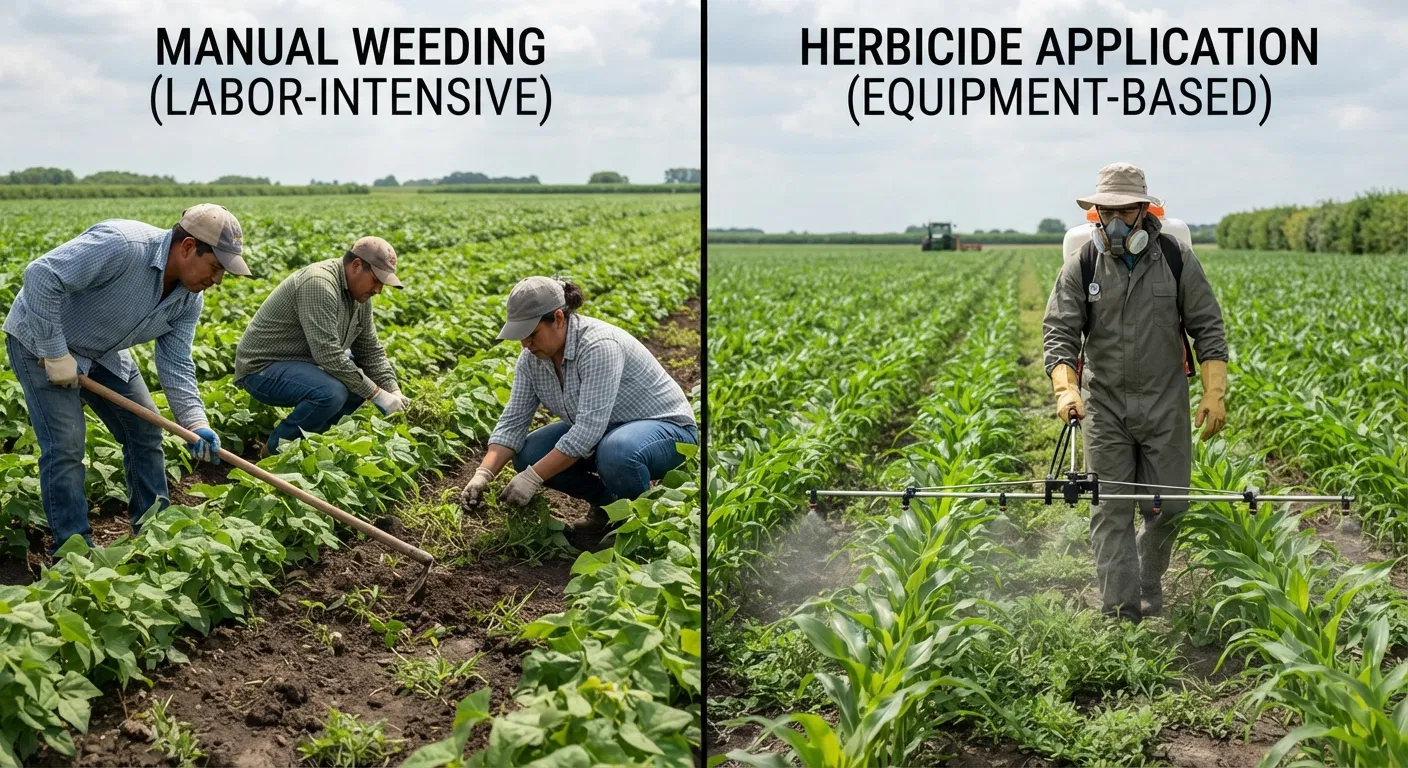
- Shallow cultivation: A stirrup hoe, wire weeder, or shallow tine cultivator works well for tiny weed seedlings.
- Flame weeding: A propane flame weeder can kill small weeds quickly without turning the soil.
- Light harrowing: Useful in larger beds or fields when done very shallowly.
- Hand weeding: Practical for small gardens or high-value crops.
The key is to stay shallow. Deep tillage can bring dormant weed seeds to the surface and undo the benefit of the stale seedbed technique.
Advantages of Stale Seedbed Weed Control
Gardeners and growers use stale seedbeds because the benefits are practical and immediate. It is not a one-time fix for every weed problem, but it gives crops a major head start.
When you reduce weeds before planting, you protect your crop during its most vulnerable stage.
Some of the biggest advantages include:
- Fewer early-season weeds competing with your crop
- Less hand labor later in the season
- Cleaner rows and beds for easier management
- Improved water and nutrient use by the crop
- Better yields in many direct-seeded crops
For growers focused on organic or low-spray systems, stale seedbed weed management is especially valuable because it reduces reliance on chemical controls.
Limitations and Challenges
Although the stale seedbed technique is highly useful, it is not perfect. It works best as part of an integrated weed management plan, not as the only strategy.
Some challenges include:
- Weather delays can interrupt timing
- Some weed seeds germinate later, after planting
- Repeated soil disturbance can still bring up new weed seeds
- Perennial weeds may need additional control methods
Because of these limitations, many growers combine stale seedbeds with mulch, row covers, drip irrigation, cultivation, and crop competition strategies. That layered approach often produces the best long-term weed suppression.
Tips for Better Results
If you want to make the most of stale seedbed planting, small details matter. A few smart adjustments can improve your results significantly.
- Start with a clean bed. Remove existing weeds before beginning the process.
- Do not overwork the soil. Keep disturbance shallow to avoid bringing up more weed seeds.
- Act quickly after weed kill. Plant soon after removing the first flush of weeds.
- Use irrigation wisely. A light watering can trigger weed germination when rainfall is unreliable.
- Repeat if needed. In high-pressure areas, a second stale flush may further reduce weeds.
For growers dealing with persistent annual weeds, these small steps can make a noticeable difference in overall field cleanliness.
When to Use Stale Seedbed Weed Management
This method is ideal when weed pressure is high and your crop is sensitive to early competition. It is especially helpful for crops that germinate slowly, such as carrots, onions, parsley, and other small-seeded crops. These crops often struggle if weeds emerge at the same time.
Stale seedbed weed management is also a strong fit for organic systems where prevention is more effective than rescue. By reducing weeds before planting, you simplify the rest of the season.
Final Thoughts
The stale seedbed technique is one of the simplest ways to reduce weed pressure before planting and give your crop a stronger start. By preparing the soil early, encouraging weed germination, and then removing those seedlings before sowing, you can dramatically lower weed competition in the most important stage of crop growth.
If you are looking for a practical, low-cost, and effective weed management strategy, stale seedbed planting deserves a place in your growing plan. Start small, watch the timing, and build it into your regular routine for healthier crops and fewer weeds.
Take action: prepare your next bed early, flush the weeds once, and plant into a cleaner seedbed for a better season ahead.