Imagine growing healthier vegetables, herbs, and flowers while protecting them from harsh sunlight, wind, pests, and heavy rain. That is exactly what shade net farming makes possible. For beginners and experienced growers alike, shade net farming is one of the smartest ways to improve crop quality, reduce losses, and extend growing seasons.
If you have been looking for a practical, low-risk method to cultivate crops in challenging weather conditions, this guide will walk you through everything you need to know about shade net farming—from choosing the right net to setting up your first shade house and managing crops for better results.
What Is Shade Net Farming?
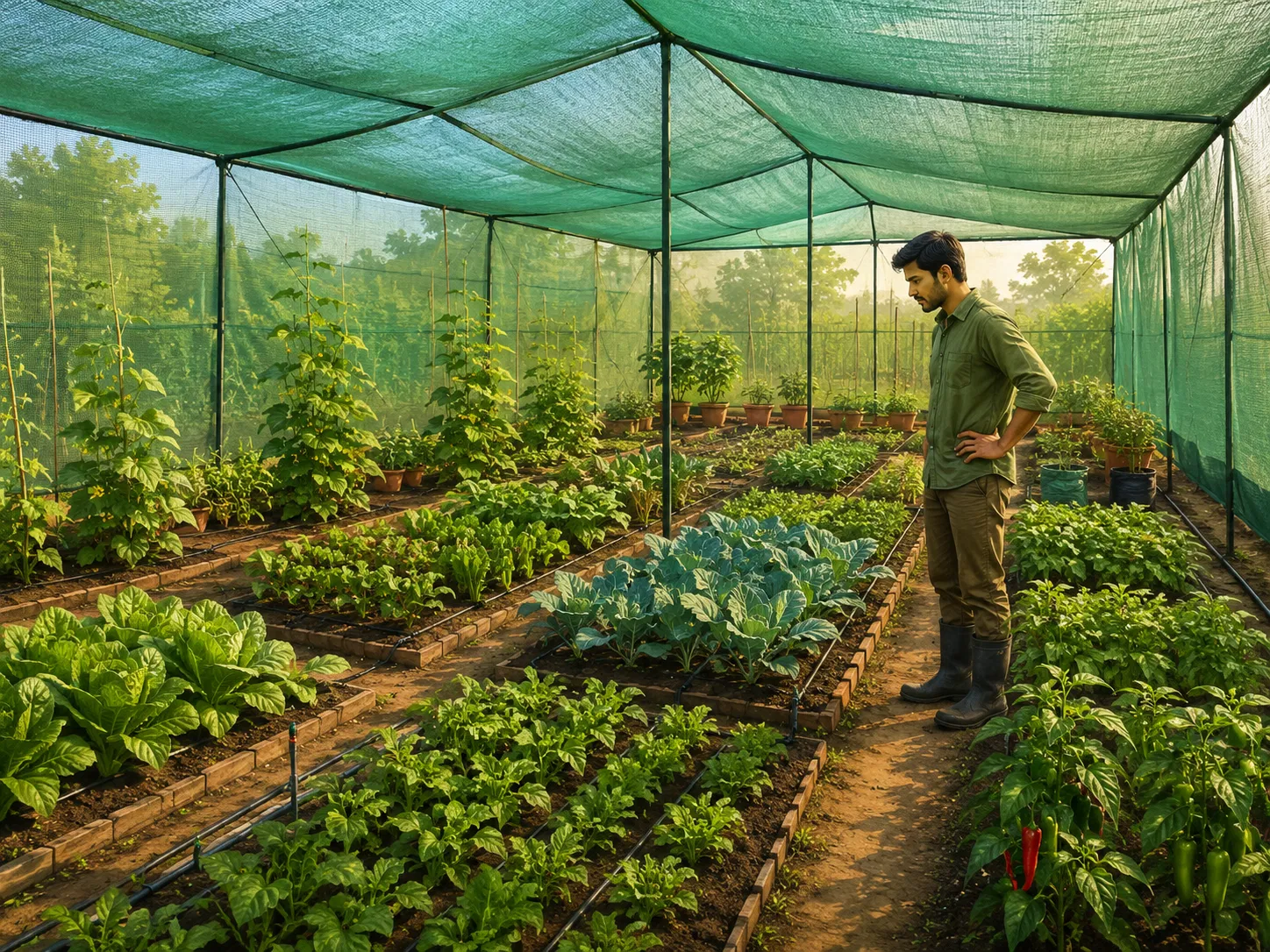
Shade net farming is a protected cultivation method that uses specially designed netting to control the amount of sunlight reaching crops. The net reduces heat stress, filters strong rays, and creates a more favorable microclimate for plant growth.
Unlike open-field farming, shade net farming gives growers more control over environmental conditions. It is widely used for growing:
- Vegetables such as lettuce, spinach, tomatoes, and capsicum
- Herbs like mint, basil, and coriander
- Flowers and ornamentals
- Nursery plants and seedlings
- High-value crops that need protection from extreme weather
By moderating temperature, light, and humidity, shade net farming helps crops grow in a more stable environment.
Why Shade Net Farming Is Becoming So Popular
Modern agriculture is under pressure from climate change, water scarcity, and unpredictable weather. Shade net farming offers a practical solution for farmers who want better control and higher productivity.
Here are some of the main benefits:
- Protection from excessive sunlight: Reduces leaf burn and heat stress
- Improved plant growth: Creates ideal light conditions for many crops
- Water savings: Lower evaporation means less frequent irrigation
- Reduced pest damage: Acts as a barrier against some insects and birds
- Better crop quality: Produces cleaner, healthier, and more marketable produce
- Longer growing season: Allows cultivation in areas with harsh climates
Shade net farming is not just about protection; it is about creating the right environment for profitable crop production.
Types of Shade Nets and Their Uses
Choosing the right shade net is one of the most important steps in shade net farming. Different crops need different levels of shade, and the net percentage directly affects plant performance.
Common Shade Net Percentages
- 35% shade net: Suitable for crops needing moderate light, such as vegetables and some flowers
- 50% shade net: Ideal for nursery plants, leafy greens, and many ornamentals
- 75% shade net: Used for shade-loving plants and propagation areas
- 90% shade net: Best for specialized uses like storage, hardening plants, or very sensitive species
The higher the shade percentage, the less sunlight passes through. Beginners should always match the shade level to the crop’s light requirement instead of choosing the darkest option available.
How to Set Up a Shade Net Farm
Setting up a shade net farm is easier than building a full greenhouse, but it still requires careful planning. A good setup improves durability, crop health, and overall return on investment.
Step 1: Select the Right Location
Choose a site with good drainage, access to water, and enough sunlight throughout the day. Avoid low-lying areas where water may collect after rain. The location should also be accessible for labor, transport, and market delivery.
Step 2: Decide the Crop and Shade Level
Your crop choice determines the type of net, structure, and irrigation system you need. For example, leafy greens and seedlings often need more protection than fruiting vegetables. Start with crops that are well suited to your local climate and market demand.
Step 3: Build the Support Structure
The framework can be made from galvanized steel, bamboo, or treated wood, depending on your budget and long-term goals. The structure should be strong enough to withstand wind and support the net securely.
Step 4: Install the Shade Net
The net should be stretched tightly over the structure to prevent sagging. Proper installation improves airflow and helps the net last longer. Ensure that the sides are secured while still allowing enough ventilation.
Step 5: Add Irrigation and Other Essentials
Drip irrigation is often the best choice for shade net farming because it delivers water directly to the roots and reduces waste. You may also want to include mulch, raised beds, and insect-proof side screens if your crop requires additional protection.
Best Crops for Shade Net Farming
Shade net farming works best for crops that prefer filtered light or need protection from harsh environmental conditions. Some of the most profitable beginner-friendly options include:
- Leafy vegetables: Lettuce, spinach, kale, amaranth
- Herbs: Basil, parsley, coriander, mint
- Nursery crops: Seedlings, saplings, transplants
- Flowers: Roses, orchids, chrysanthemums, gerbera
- Vegetables: Capsicum, cucumber, tomatoes in hot regions
These crops respond well to moderated temperatures and controlled light, making them ideal for beginners who want quicker results and lower losses.
Shade Net Farming Tips for Beginners
Success in shade net farming depends on more than just putting up a net. Crop care, planning, and daily management all matter.
1. Monitor Light and Temperature
Even under shade, too much heat can affect plant growth. Check conditions regularly and adjust ventilation, irrigation, or shade percentage if needed.
2. Avoid Overwatering
Because shade net farms reduce evaporation, crops may need less water than open-field crops. Overwatering can lead to root diseases and poor growth.
3. Keep the Area Clean
Remove weeds, fallen leaves, and diseased plants quickly. A clean growing space reduces pests and disease pressure.
4. Use Quality Seeds and Seedlings
Healthy planting material gives you a strong start. Poor-quality seeds or seedlings can reduce yields even in a well-managed shade net farm.
5. Observe Pest and Disease Pressure
While shade nets help reduce some pest problems, they do not eliminate them completely. Keep a close eye on common issues such as aphids, whiteflies, and fungal diseases.
6. Plan for Market Demand
Before planting, understand what buyers want. High-value crops are most profitable when they match local demand and harvest timing.
Common Mistakes to Avoid
Many beginners make avoidable mistakes when starting shade net farming. Being aware of these can save time, money, and frustration.
- Choosing the wrong shade percentage for the crop
- Poor site selection with bad drainage
- Weak support structures that cannot handle wind
- Overcrowding crops and reducing airflow
- Ignoring irrigation needs
- Failing to inspect for pests and disease regularly
Careful planning and regular observation are the keys to avoiding these problems.
Is Shade Net Farming Profitable?
Yes, shade net farming can be highly profitable when done correctly. It is especially attractive for growers who focus on high-value crops, nursery production, and off-season vegetables. The initial investment may be higher than open-field farming, but the potential for better quality, lower losses, and improved yields often justifies the cost.
Profitability depends on several factors:
- Crop selection
- Local climate
- Market access
- Installation quality
- Efficient irrigation and crop management
For beginners, starting small and expanding gradually is often the best approach. This reduces financial risk while allowing you to learn and refine your system.
Final Thoughts on Shade Net Farming
Shade net farming is an excellent entry point into protected agriculture. It gives growers more control, protects crops from environmental stress, and supports the production of high-quality harvests. Whether you want to grow vegetables, herbs, flowers, or seedlings, a well-planned shade net farm can become a productive and profitable venture.
If you are ready to begin, start with the right crop, choose the proper shade level, and build a structure that fits your goals and budget. With smart management and consistent care, shade net farming can become one of the most rewarding farming systems you use.