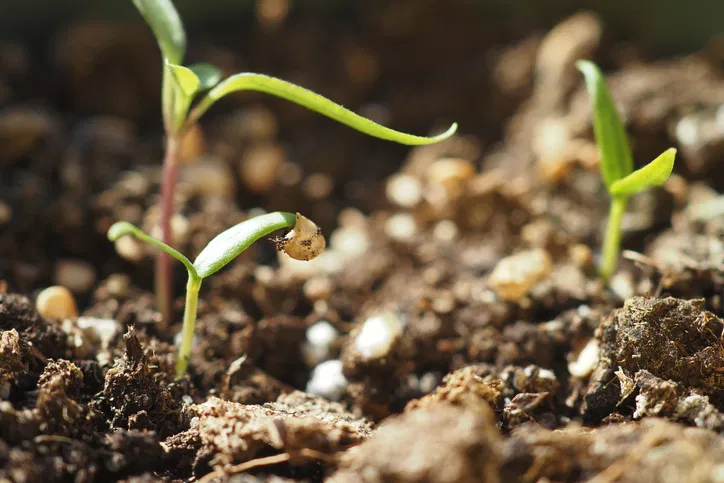
No amount of fertilizer, irrigation, or pest management can fully compensate for poor-quality seed. Genetic potential, germination capacity, and seed health are set before the seed ever touches soil — everything a farmer does afterward works within the ceiling that seed quality establishes.
The Four Dimensions of Seed Quality
| Quality Dimension | What It Means | Why It Matters |
|---|---|---|
| Genetic Purity | Seeds are true-to-type for the intended variety, without unwanted cross-pollination or mixing | Ensures uniform growth, maturity timing, and expected yield/quality traits |
| Physical Purity | Percentage of pure crop seed, free from weed seed, inert matter, or other crop contamination | Prevents weed introduction and ensures accurate seeding rates |
| Physiological Quality | Germination percentage and seedling vigor | Directly determines field stand establishment and uniformity |
| Seed Health | Freedom from seed-borne pathogens, fungi, bacteria, and insect damage | Prevents disease introduction into the field from the very first day |
Understanding India's Seed Certification Classes
India's seed certification system, governed under the Seeds Act, is built around a traceable multiplication chain:
- Breeder Seed: The foundational generation, produced under direct breeder supervision with 100% genetic purity, identified by a golden yellow tag.
- Foundation Seed: Multiplied from breeder seed by public agencies, maintaining genetic purity of 99.5% or above, identified by a white tag.
- Certified Seed: The commercial generation sold to farmers, produced by registered growers from foundation seed, with genetic purity of 99% or higher, identified by an azure blue tag.
Buying seed with a proper certification tag gives a documented guarantee of these purity standards — something farm-saved or uncertified seed from informal sources can't reliably provide.
How Poor Seed Quality Shows Up in the Field
- Patchy germination: Low-vigor or aged seed germinates unevenly, leaving gaps in the stand that never fully close even with good management afterward.
- Off-type plants: Genetically impure seed produces plants that mature at different times or show inconsistent traits, complicating harvest timing and reducing produce uniformity.
- Early disease pressure: Seed-borne pathogens carried on or in the seed coat can infect seedlings from germination onward, sometimes before any field-applied crop protection has a chance to help.
- Reduced final yield: Even with excellent fertilization and irrigation, a compromised starting stand caps the yield ceiling for the season.
What Farmers Can Control at Sowing
1. Source Seed From Reliable, Certified Suppliers
Choosing vegetable seeds and other crop seed from established, quality-checked sources reduces the risk of the genetic and physical purity problems that undermine an entire season's crop.
2. Check Germination Before Large-Scale Sowing
A simple germination test on a small seed sample — counting how many seeds sprout out of a known count under controlled conditions — gives a practical check on seed viability before committing an entire field's worth of seed and labor.
3. Treat Seed Before Sowing
Seed treatment with an appropriate bio-fungicide, such as a Trichoderma-based formulation, helps protect against seed and soil-borne pathogens right from germination, addressing seed health risks that certification standards alone don't eliminate entirely once seed is in storage or handling.
4. Store Seed Properly Between Seasons
Even genetically sound, certified seed loses germination vigor over time if stored in humid or poorly ventilated conditions. Cool, dry storage preserves seed viability far longer than exposure to heat and moisture.
Frequently Asked Questions
What's the difference between certified seed and hybrid seed?
Certification refers to a documented purity and quality standard that applies to both open-pollinated and hybrid seed; "hybrid" describes the breeding method used to produce the seed itself.
Can I save seed from a good harvest and reuse it next season?
You can, but genetic purity and vigor typically decline over generations, especially with hybrid varieties, so saved seed usually underperforms fresh certified seed over time.
Does seed treatment replace the need for certified seed?
No — seed treatment addresses seed health risks like fungal contamination, but it doesn't correct genetic or physical purity issues present in low-quality seed.
Disclaimer: General information on seed quality and certification standards in India; specific requirements can vary by crop and state seed certification agency. Always follow product label instructions for any seed treatment application.