Pest problems rarely start with a dramatic outbreak. More often, they build quietly in the background—one damaged leaf, a hidden egg mass, a few insects in a trap. That is why scouting and monitoring are at the heart of Integrated Pest Management (IPM). They give growers, landscapers, and property managers the information needed to act early, respond accurately, and avoid unnecessary pesticide use.
When scouting and monitoring are done consistently, pest control becomes more precise, more cost-effective, and more sustainable. Instead of guessing, you make decisions based on real conditions in the field, garden, greenhouse, or landscape. That is the power of IPM.
What Scouting and Monitoring Mean in IPM
Scouting is the direct inspection of plants, soil, and surrounding areas to look for pests, diseases, weed pressure, and signs of damage. Monitoring is the ongoing tracking of pest populations and environmental conditions over time.
Together, they help answer key questions:
- What pest is present?
- How widespread is the issue?
- Is damage increasing?
- Are conditions favorable for pest outbreaks?
- Does action need to be taken now, or can the situation be watched?
In an IPM program, these practices are essential because they support targeted, need-based decisions rather than routine spraying or blanket treatments.
Why Scouting and Monitoring Matter So Much
Without scouting and monitoring, pest management becomes reactive. Problems are often discovered after significant damage has already occurred, which can increase costs and reduce effectiveness.
By contrast, regular monitoring provides several benefits:
- Early detection: Catch pests before populations explode.
- Better timing: Apply controls when they are most effective.
- Reduced pesticide use: Treat only when necessary.
- Lower costs: Avoid unnecessary applications and crop losses.
- Improved outcomes: Protect beneficial insects and plant health.
This is why scouting and monitoring are often described as the foundation of successful pest management programs.
How Scouting Supports Better Decisions
Scouting is more than a quick glance at plants. Effective scouting follows a plan and focuses on patterns, pest pressure, and plant symptoms. A good scouting program helps identify both visible and hidden issues.
For example, a scout might notice:
- Chewed leaves or stippling
- Distorted new growth
- Sticky honeydew or sooty mold
- Insect eggs, larvae, or adults
- Weed seedlings in problem areas
- Signs of disease such as spots, blights, or wilting
These observations help determine whether the issue is caused by insects, mites, disease, environmental stress, or something else entirely. That diagnosis is crucial, because the wrong treatment wastes time and money.
Monitoring Tools Used in IPM
Monitoring can involve many tools and methods, depending on the crop, site, or pest species. Some of the most common tools include:
Visual Inspections
Regular visual checks remain one of the simplest and most important monitoring methods. Inspecting leaves, stems, roots, and fruit can reveal early pest activity before it becomes severe.
Sticky Traps
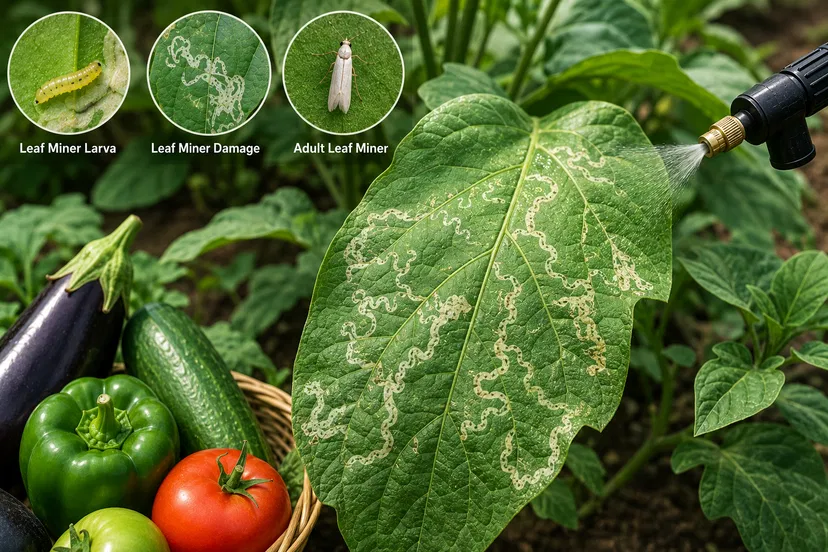
Sticky traps help monitor flying insects such as whiteflies, fungus gnats, aphids, and leafminers. They provide a snapshot of pest activity and can indicate whether populations are rising.
Pheromone Traps
Pheromone traps attract specific insects, making them useful for identifying presence and tracking seasonal trends. They are especially valuable for moths and certain beetles.
Degree-Day Models
Degree-day tracking helps predict insect development based on temperature. This is useful for timing controls when pests are most vulnerable.
Scouting Records and Field Maps
Keeping organized records allows trends to be compared over time. Maps can show recurring hot spots and guide targeted action in future seasons.
Good monitoring does not just show that a pest is present; it shows whether the population is changing, where it is concentrated, and when intervention will be most effective.
Setting Action Thresholds
One of the most important concepts in IPM is the action threshold. This is the point at which pest levels or damage justify taking control measures. Thresholds vary depending on the pest, crop value, growth stage, and expected impact.
Not every pest sighting requires treatment. In many cases, a few insects or minor damage may not affect plant health or yield. Monitoring helps distinguish between minor pressure and a real problem.
Action thresholds help prevent overreaction and keep IPM focused on economics, plant health, and long-term sustainability.
Best Practices for Effective Scouting
To get reliable results, scouting must be consistent and systematic. A random or rushed inspection can miss important signs. The best scouting programs usually include the following practices:
- Scout regularly: Check plants on a predictable schedule, especially during high-risk periods.
- Cover the entire area: Walk the full site, not just the most visible sections.
- Inspect problem zones carefully: Focus on edges, low spots, shaded areas, and known hotspots.
- Examine multiple plant parts: Look at upper and lower leaf surfaces, stems, buds, roots, and fruit.
- Record findings: Document pest type, location, severity, and weather conditions.
- Compare over time: Use past records to identify trends and recurring issues.
Consistency is what turns scouting into a valuable decision-making tool rather than a one-time inspection.
Monitoring Beneficial Insects Too
IPM is not only about pests. It also protects beneficial organisms such as lady beetles, lacewings, parasitic wasps, and predatory mites. Monitoring these helpful species can reveal whether natural control is already helping suppress pests.
When beneficial insect populations are strong, pesticide applications may be unnecessary or can be delayed. Preserving these natural enemies is a major advantage of IPM and one reason monitoring is so valuable.
How Weather and Environment Affect Pest Pressure
Environmental conditions often determine whether pests thrive or fade. Temperature, humidity, rainfall, and plant stress all influence pest activity. For example, warm and dry conditions may favor spider mites, while humid conditions can encourage fungal diseases.
Monitoring weather patterns helps predict pest outbreaks and improves timing for intervention. In many IPM programs, pest monitoring is paired with weather data to create a more complete risk picture.
The Role of Training and Experience
Scouting and monitoring are only effective when the person doing them knows what to look for. Pest identification, symptom recognition, and recordkeeping all require training and experience.
A skilled scout can distinguish between similar-looking pests, identify early symptoms, and notice subtle changes that others might miss. Over time, this improves decision-making and increases the success of the entire IPM program.
Why Scouting and Monitoring Are the Heart of IPM
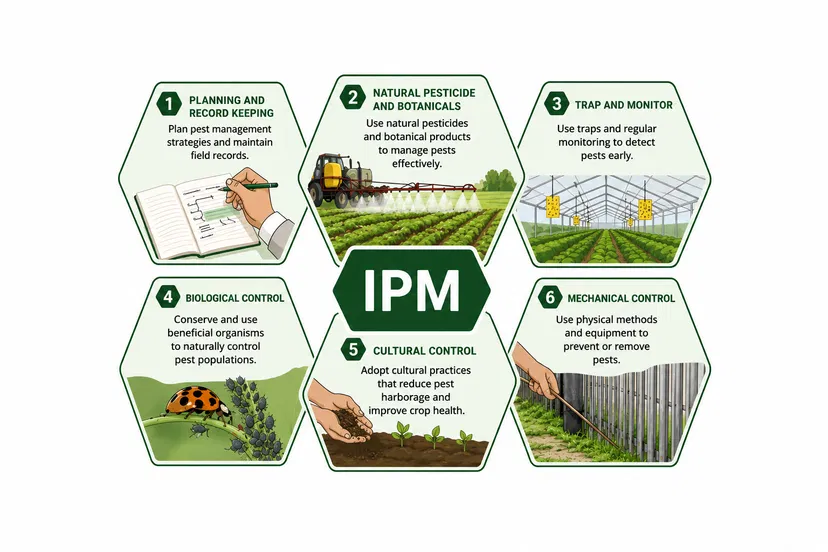
Integrated Pest Management works because it combines multiple strategies—cultural, biological, mechanical, and chemical—based on real-world observations. Scouting and monitoring provide the data that guides every one of those decisions.
Without them, IPM loses its precision. With them, pest management becomes proactive, efficient, and environmentally responsible. They are the eyes and ears of the program, revealing what is happening now and what is likely to happen next.
Conclusion: Make Scouting and Monitoring a Habit
Healthy plants and effective pest management begin with awareness. The sooner pest problems are detected, the easier they are to control. That is why scouting and monitoring should never be treated as optional tasks—they are the foundation of smart IPM.
If you want better results, fewer surprises, and more sustainable pest control, make scouting and monitoring part of your regular routine. Watch closely, record what you see, and use the information to act at the right time. In IPM, knowledge is not just helpful—it is the key to success.
"