Few things are more frustrating than seeing healthy pumpkin vines covered in flowers, only to end up with few or no fruits. The good news is that pumpkin pollination and fruit set are usually fixable once you understand how the flowers work, what pollinators need, and how to help the process along. With the right timing and a few simple techniques, you can dramatically improve your chances of growing more pumpkins that mature properly.
Why Pumpkin Pollination Matters
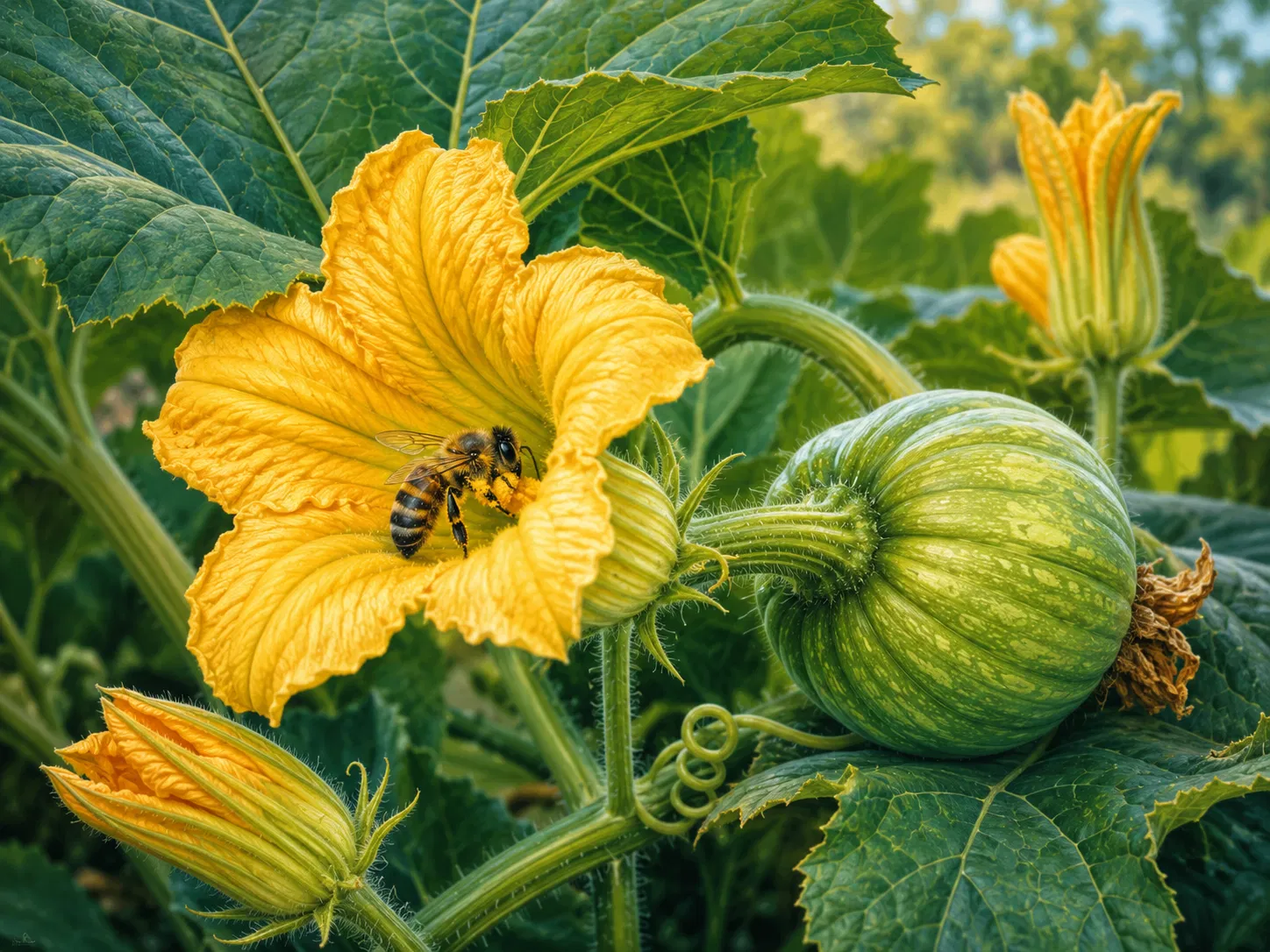
Pumpkins are monoecious, which means they produce separate male and female flowers on the same plant. The male flowers make pollen, while the female flowers contain the tiny pumpkin ovary behind the bloom. For fruit to develop, pollen must move from the male flower to the female flower—usually with help from bees.
If pollination is incomplete or doesn’t happen at the right time, the female flower may close, yellow, and drop off without forming fruit. This is one of the most common reasons gardeners struggle with pumpkin fruit set.
How to Identify Male and Female Pumpkin Flowers
Before you can improve pollination, it helps to know what you’re looking at. Pumpkin plants usually produce male flowers first, followed by female flowers a little later.
Male Flowers
- Appear on a thin stem
- Have a straight flower stalk
- Contain pollen-producing stamens inside
- Usually open earlier in the season
Female Flowers
- Have a small swelling at the base that looks like a tiny pumpkin
- Contain the stigma, which receives pollen
- Need successful pollination to develop fruit
- Often appear after several male flowers have already opened
Tip: If you see female flowers but no male flowers, wait a few days. On young plants, the timing often shifts naturally.
What Causes Poor Pumpkin Fruit Set?
Even if your vines look vigorous, several factors can reduce fruit set. Understanding these issues can help you correct problems early.
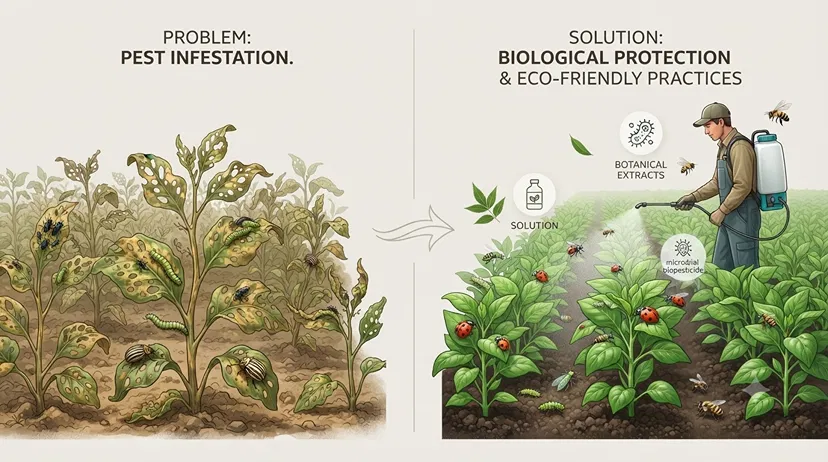
- Low pollinator activity due to weather, pesticide use, or habitat loss
- Too much heat, which can reduce pollen viability
- Cool, wet weather, which discourages bees from visiting flowers
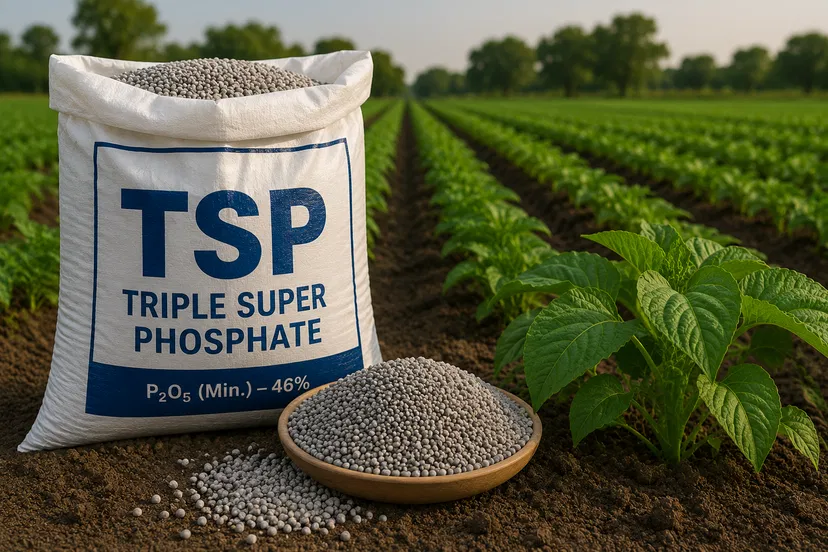
- Poor soil fertility, especially too much nitrogen and not enough phosphorus or potassium
- Water stress during flowering and fruit development
- Flower timing mismatch, especially when male and female blooms don’t overlap well
Best Conditions for Pumpkin Pollination
Pumpkins depend heavily on bees, especially honeybees and squash bees. These insects are most active when conditions are warm and dry. For the best fruit set, aim for a garden environment that supports healthy pollinator traffic.
Ideal Pollination Conditions
- Warm mornings, typically between 70°F and 85°F
- Dry weather during flower opening
- Full sun with good airflow
- No pesticide spraying while flowers are open
- Nearby flowering plants that attract bees
Pumpkin flowers usually open early in the morning and close by afternoon, so pollination happens in a short window. If bees are active before the heat rises, your odds of success increase significantly.
How to Hand-Pollinate Pumpkin Flowers
If natural pollination is weak, hand-pollination is one of the most effective ways to improve pumpkin fruit set. It is simple, fast, and especially useful in small gardens or during poor weather.
Step-by-Step Hand Pollination
- Find a fully open male flower and gently remove it from the vine.
- Peel back the petals to expose the pollen-covered stamen.
- Select a freshly opened female flower.
- Gently brush the male flower’s pollen onto the stigma inside the female flower.
- Cover the female flower lightly if desired to keep insects from interfering.
Best time: Early morning, while the flowers are freshly open and pollen is most viable.
One male flower can often pollinate several female flowers. If you are working with a limited number of blooms, hand-pollination can make a major difference in harvest size.
How to Attract More Pollinators to Your Pumpkin Patch
Encouraging bees to visit your garden can improve fruit set naturally and reduce the need for hand-pollination. A pollinator-friendly garden benefits pumpkins and many other crops as well.
Ways to Support Pollinators
- Plant bee-friendly flowers nearby, such as zinnias, sunflowers, and borage
- Avoid spraying insecticides during bloom
- Provide a shallow water source for insects
- Grow pumpkins in sunny, open areas where bees can easily find the flowers
- Limit disturbance around flowering plants in the morning
Native bees are especially valuable because they often work early and efficiently. A diverse pollinator population increases your chances of reliable pumpkin pollination.
Feeding and Watering for Better Fruit Development
Pollination is only part of the equation. Once a pumpkin flower is successfully fertilized, the plant needs the right growing conditions to support fruit growth.
Nutrition Tips
Use a balanced fertilizer early in the season, then switch to one lower in nitrogen and higher in phosphorus and potassium when vines begin flowering. Too much nitrogen can produce lush vines with fewer flowers and weaker fruit set.
Watering Tips
- Water deeply and consistently at the base of the plant
- Keep soil evenly moist during flowering and fruit enlargement
- Avoid overhead watering that can reduce pollination success
- Mulch around the base to hold moisture and stabilize soil temperature
Healthy, well-watered plants are better able to support the energy demands of fruit growth after pollination occurs.
How to Tell If Pollination Worked
After a female flower is pollinated, it should begin showing signs of success within a few days. Watch closely so you can spot problems early.
Signs of Successful Pollination
- The small pumpkin behind the flower begins to enlarge
- The flower petals wilt but the ovary stays firm
- Fruit continues growing steadily over the next several days
Signs of Failed Pollination
- The tiny pumpkin turns yellow or softens
- The flower and ovary shrivel and fall off
- No visible fruit growth follows the bloom
If a female flower fails, don’t worry. More blooms will usually follow throughout the season, and you can hand-pollinate the next one.
Common Mistakes to Avoid
Even experienced gardeners can lose fruit set by making a few simple mistakes. Avoid these common issues for better results:
- Spraying pesticides when flowers are open
- Letting plants dry out during blooming
- Using too much nitrogen fertilizer
- Assuming bees will appear without providing habitat support
- Waiting too late in the day to hand-pollinate
Remember that pumpkin pollination is most successful when flowers are fresh, pollen is active, and pollinators are working in ideal conditions.
Conclusion: Small Pollination Fixes Can Lead to Big Pumpkin Harvests
When it comes to pumpkin pollination and fruit set, timing and attention make all the difference. By learning how male and female flowers work, supporting bees, watering consistently, and hand-pollinating when necessary, you can turn more blooms into healthy, full-sized pumpkins.
If your vines are flowering but not producing fruit, don’t give up. Start with the basics, watch the morning blooms closely, and step in when nature needs a little help. A few smart pollination tips can transform a disappointing patch into a productive pumpkin harvest.