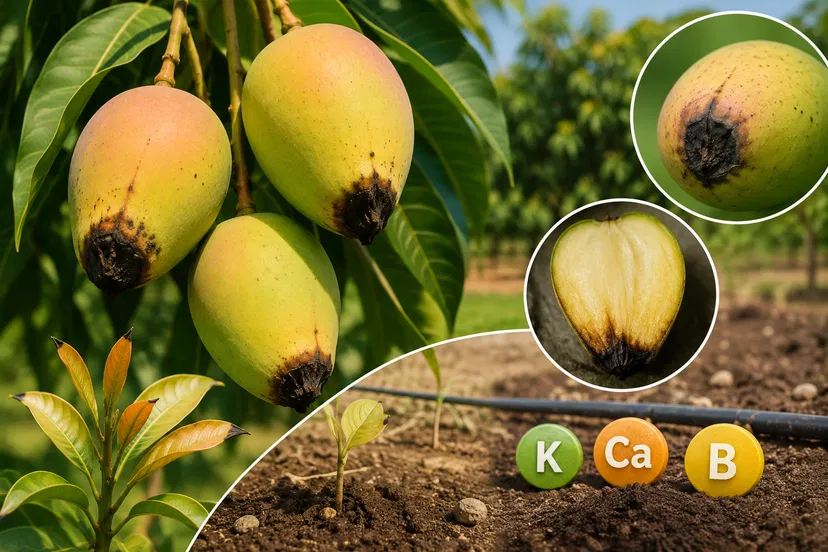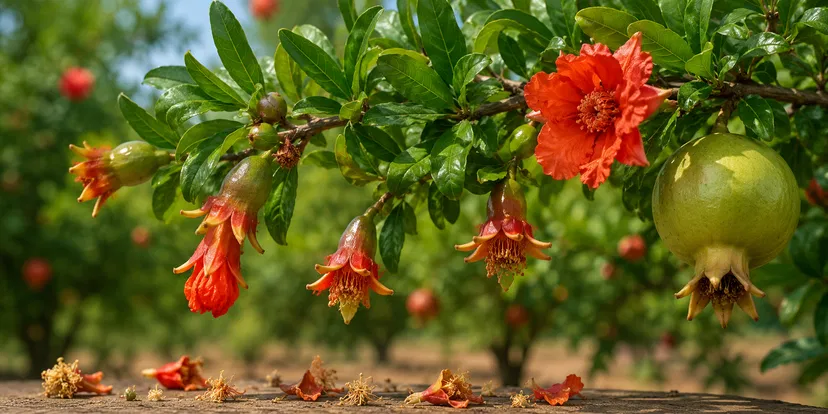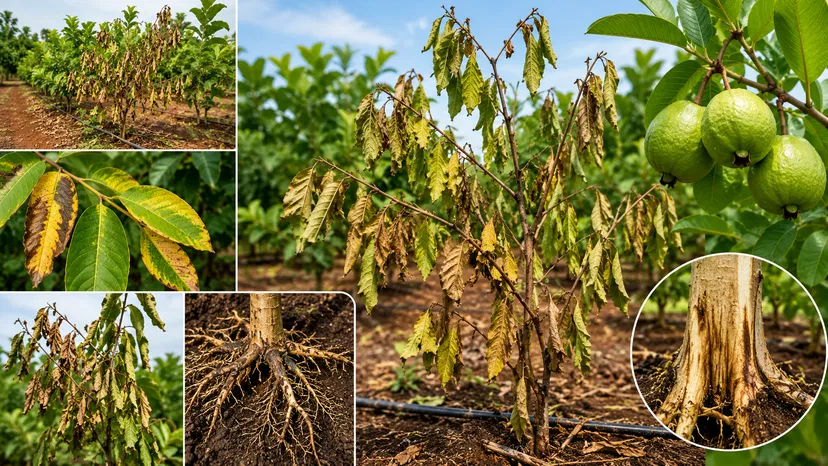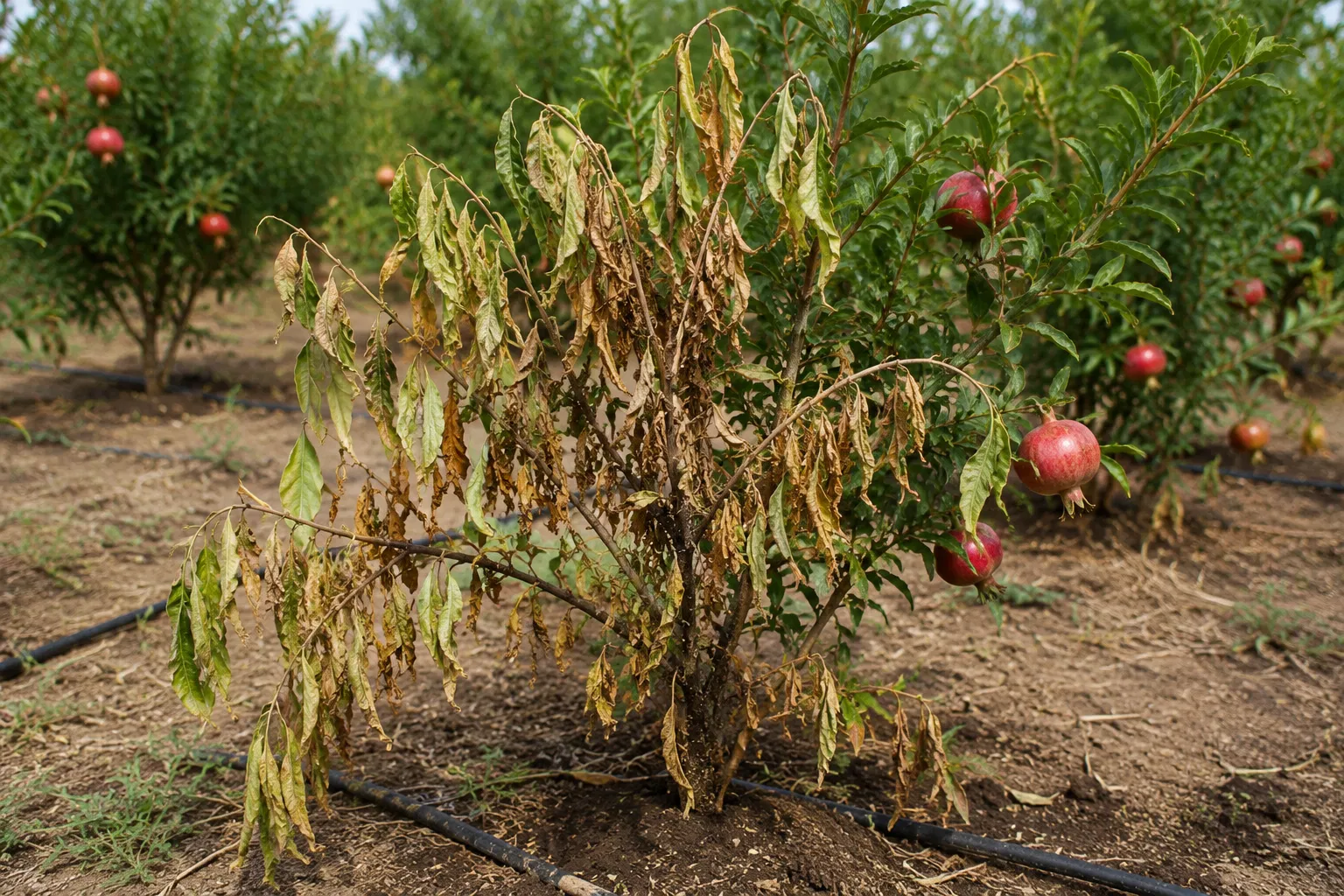
Pomegranate wilt disease can turn a healthy, productive orchard into a struggling one in a surprisingly short time. Leaves droop, branches lose vigor, and entire plants may decline before the real problem is even visible. Because this disease often begins below the soil surface, early identification and proper soil treatment are critical for saving trees and preventing spread.
If you grow pomegranates, understanding the causes, symptoms, and best soil treatment methods for pomegranate wilt disease can make the difference between ongoing loss and long-term orchard success. Below, you’ll learn how to recognize the warning signs, what triggers the disease, and how to manage infected soil effectively.
What Is Pomegranate Wilt Disease?
Pomegranate wilt disease is a destructive plant disease that affects the vascular system and root zone of pomegranate trees. It interferes with the plant’s ability to absorb water and nutrients, causing sudden or gradual decline. The disease is often linked to soil-borne pathogens such as Fusarium, Verticillium, and sometimes Macrophomina, depending on local conditions.
Because the infection usually starts in the roots or soil, visible symptoms may appear only after the disease has already advanced. That is why soil health and prevention are so important in pomegranate disease management.
Causes of Pomegranate Wilt Disease
Several factors can contribute to pomegranate wilt disease. In many cases, the disease develops when a susceptible tree is exposed to poor soil conditions and fungal pathogens.
1. Soil-Borne Fungal Pathogens
The most common cause is infection by fungi living in the soil. These pathogens enter through root wounds or weakened root tissue and then block water transport inside the plant.
2. Poor Drainage
Waterlogged soil creates the perfect environment for wilt pathogens. When roots remain wet for too long, they become stressed and more vulnerable to infection.
3. Repeated Cropping in the Same Soil
Growing pomegranates repeatedly in the same field without proper rotation can lead to a buildup of disease organisms in the soil. Over time, this increases the risk of wilt outbreaks.
4. Root Damage
Mechanical injury from cultivation, transplanting, nematodes, or insect damage can create entry points for pathogens. Even small root wounds may be enough to trigger infection.
5. Nutrient Imbalance and Soil Stress
Trees growing in depleted or poorly managed soils are generally weaker. Excess nitrogen, low organic matter, salinity, and pH imbalance can all reduce tree resistance and encourage disease development.
Key insight: Pomegranate wilt disease is not caused by one single issue. It usually develops when pathogen pressure, stressed roots, and poor soil conditions occur together.
Symptoms of Pomegranate Wilt Disease
Detecting pomegranate wilt disease early is essential. Symptoms may begin subtly and worsen as the disease progresses.
Early Symptoms
- Leaves lose turgidity and start drooping
- Yellowing begins on older leaves
- Reduced shoot growth and smaller leaves
- Tree appears less vigorous than nearby healthy plants
Advanced Symptoms
- Sudden wilting of leaves and branches
- Drying of twigs and shoots
- Brown discoloration in the vascular tissue
- Slow dieback from the top of the tree downward
- Fruit drop or poor fruit development
- Complete collapse of the tree in severe cases
In some cases, the wilting may appear temporarily improved during cooler hours, then return stronger during the heat of the day. This can mislead growers into thinking the issue is only water stress, when in fact disease is already affecting the root system.
How to Confirm Pomegranate Wilt Disease
Wilt symptoms can resemble drought stress, root rot, or nutrient deficiency, so confirmation is important before treatment. A careful inspection of roots and stem tissue can help identify the cause.
- Check roots for discoloration, decay, or shrinkage
- Cut affected stems to inspect vascular browning
- Look for uneven decline across the orchard
- Compare infected trees with healthy ones nearby
If possible, submit soil or plant samples to a local agricultural laboratory for pathogen testing. Accurate diagnosis improves the chances of effective management.
Soil Treatment for Pomegranate Wilt Disease
Soil treatment is one of the most important steps in controlling pomegranate wilt disease. Since the problem often starts below ground, surface-only solutions rarely work. A combination of cultural, biological, and chemical strategies is usually most effective.
1. Improve Soil Drainage
Pomegranate roots need well-drained soil. If water collects around the base of the tree, improve drainage immediately.
- Use raised beds or ridges in problem areas
- Avoid over-irrigation
- Ensure field channels and drains are clear
- Do not allow standing water near tree trunks
2. Remove and Destroy Severely Infected Trees
Trees that are completely wilted or badly decayed may not recover. Removing them helps reduce the spread of pathogens in the soil.
After removal, avoid replanting pomegranates in the same spot immediately unless the soil has been treated and conditions have improved.
3. Solarize the Soil
Soil solarization is an effective non-chemical method in warm climates. It involves covering moist soil with transparent plastic during the hottest part of the season to raise soil temperature and reduce pathogen populations.
- Clear the area of weeds and debris
- Moisten the soil before covering
- Use transparent plastic sheeting tightly sealed at the edges
- Leave it in place for several weeks
4. Apply Organic Matter and Compost
Well-decomposed compost and organic amendments improve soil structure, microbial activity, and root health. Healthy soil can suppress some disease-causing organisms naturally.
Use only mature compost, since undecomposed organic matter may create additional problems or attract pests.
5. Use Bioagents and Beneficial Microbes
Biological control options such as Trichoderma and Bacillus species can help suppress soil-borne fungi. These beneficial microbes compete with pathogens and support root health.
Apply them according to label directions and preferably around the root zone or through drip irrigation where recommended.
6. Conduct Targeted Soil Fungicide Treatment
In severe cases, soil fungicides may be used as part of an integrated management program. These should always be selected based on the identified pathogen and used according to local agricultural guidance.
Because overuse can lead to resistance and soil imbalance, chemical treatment should complement, not replace, good sanitation and drainage practices.
7. Adjust Soil pH and Nutrition
Balanced soil fertility supports tree defense. Test the soil and correct nutrient deficiencies or pH problems as needed.
- Avoid excessive nitrogen, which can produce weak growth
- Maintain adequate potassium and micronutrients
- Correct salinity issues where possible
- Keep pH within the suitable range for pomegranate growth
Preventing Pomegranate Wilt Disease
Prevention is always easier than recovery. Once wilt pathogens are established in the soil, management becomes more difficult.
- Plant disease-free saplings from reliable nurseries.
- Use clean tools and equipment to avoid spreading pathogens.
- Avoid root injury during weeding, cultivation, or transplanting.
- Rotate crops where possible before replanting pomegranates.
- Monitor irrigation carefully to prevent excess moisture.
- Inspect orchards regularly for early signs of stress or decline.
Good orchard hygiene, proper spacing, and balanced soil management reduce the chance of wilt disease becoming a recurring problem.
Best Practices for Long-Term Orchard Health
Managing pomegranate wilt disease is not just about treating infected soil. It is also about building a healthier orchard system that supports strong roots and resilient trees.
- Mulch appropriately to conserve moisture without trapping excess water
- Keep the area around trunks clear of heavy debris
- Prune carefully to reduce stress and improve airflow
- Use drip irrigation instead of flood irrigation where possible
- Combine biological, cultural, and chemical methods for integrated control
A consistent management routine helps reduce pathogen pressure year after year and improves the overall productivity of the orchard.
Conclusion
Pomegranate wilt disease is a serious threat, but it can be managed effectively when growers act early and focus on the soil. By understanding the causes, recognizing symptoms quickly, and applying the right soil treatment methods, you can protect trees from further decline and improve orchard performance.
If your pomegranate trees are showing signs of wilt, start with soil diagnosis, improve drainage, and use an integrated treatment plan right away. Early action is the best defense against long-term loss.