If you want better control over plant height, stronger stems, and more even crop development, PGR spray timing is one of the most important decisions you can make. The right product matters, but when you apply it often matters even more. A well-timed plant growth regulator application can improve crop performance, while poor timing can reduce results or create unnecessary stress.
Whether you're managing turf, ornamentals, or agricultural crops, understanding when to spray PGRs helps you get more consistent outcomes. In this guide, we'll break down the key factors that influence PGR spray timing, explain how to match timing with growth stages, and show you how to avoid common mistakes that limit effectiveness.
What Is PGR Spray Timing?
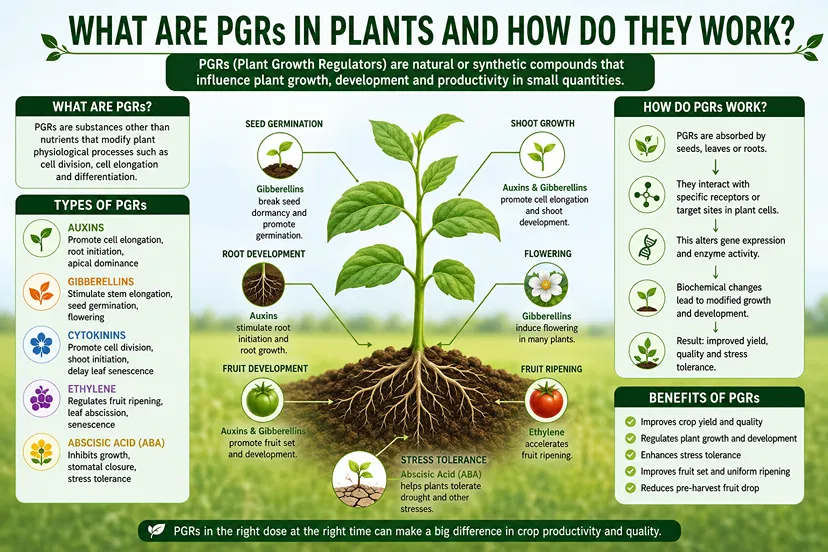
PGR spray timing refers to applying a plant growth regulator at the stage when the plant is most responsive to the product. PGRs work by influencing growth processes such as stem elongation, branching, flowering, or turfgrass vertical growth. Because these processes change quickly depending on weather, plant stage, and management conditions, timing is critical.
The goal is to apply the PGR when the plant is actively growing and able to absorb and respond to it. Spray too early, and the plant may not take full advantage of the application. Spray too late, and the growth you wanted to manage may already be beyond the optimal window.
Why Timing Matters So Much
Plant growth regulators are not one-size-fits-all solutions. Their effectiveness depends on how the plant is growing at the moment of application. Good timing improves uptake, increases consistency, and helps you use the product more efficiently.
- Better growth control: Timed correctly, PGRs can help reduce excessive elongation or stretch.
- More uniform response: Plants respond more consistently when treated during active growth.
- Less stress: Applying at the wrong time can create unnecessary pressure on the crop.
- Improved return on investment: Proper timing helps you get more value from each application.
In short, PGR spray timing is not just a technical detail. It is a major factor in product success.
Best Times to Apply a PGR
The best timing depends on the crop, product, and intended result, but there are several general principles that apply across many situations.
1. Apply During Active Growth
PGRs usually work best when plants are actively growing. This is when they are moving water and nutrients efficiently and can respond to growth regulation. If growth has slowed because of cold, drought, or stress, the product may perform poorly.
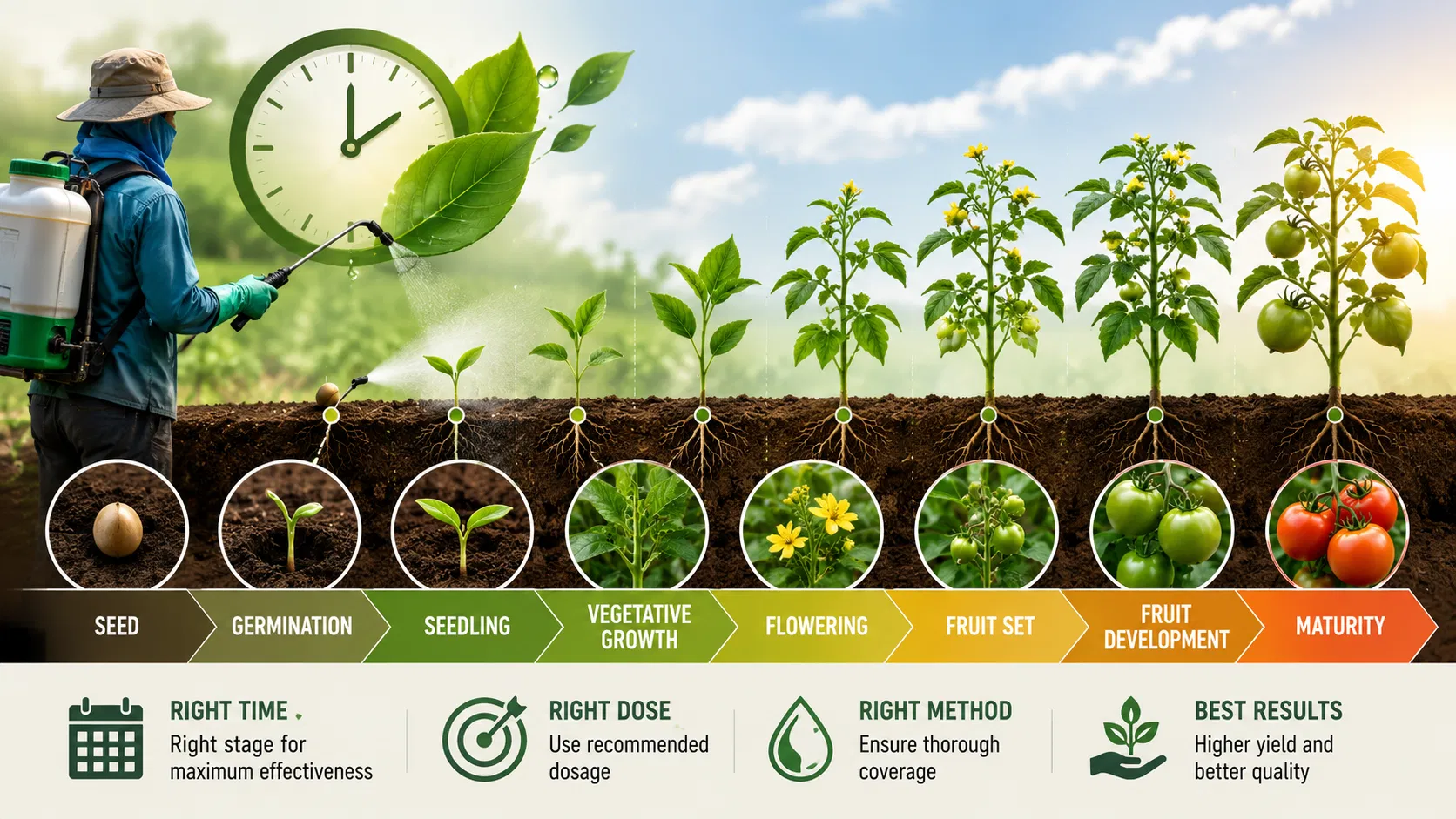
2. Match Timing to Growth Stage
Many PGRs are designed to be used at specific growth stages. For example, turf managers often target periods of rapid vertical growth, while ornamental growers may apply products before plants begin to stretch excessively. In agriculture, timing may be based on stem elongation, flowering, or branching stages.
3. Consider Environmental Conditions
Temperature, light, moisture, and recent weather all affect how plants respond. Mild temperatures and adequate moisture usually support better uptake and more predictable results. Extreme heat, drought stress, or heavy rainfall can reduce effectiveness.
4. Use Preventive Timing When Possible
In many cases, PGRs are more effective when used before growth becomes difficult to manage. Preventive applications help shape plant development rather than trying to correct problems after they occur.
Tip: The best PGR spray timing is often based on what the plant is about to do, not just what it has already done.
Factors That Affect PGR Spray Timing
Several variables influence the ideal spray window. Paying attention to these factors helps you make smarter application decisions.
Plant Species and Variety
Different species and cultivars respond differently to plant growth regulators. Some are naturally more sensitive, while others require more precise timing or higher rates. Always consider how the specific plant type grows and reacts.
Growth Rate
The faster the plant is growing, the more important timing becomes. Rapid growth often shortens the application window, while slower growth may allow more flexibility.
Weather Conditions
Weather can dramatically affect PGR performance. Hot, dry conditions may limit uptake, while cool and wet conditions may slow plant response. Rain soon after application can also wash product off leaves before it is absorbed.
Application Method
Foliar sprays, soil applications, and drenches all behave differently. Foliar sprays usually depend more on leaf coverage and drying time, while soil-applied products may rely more on root uptake and moisture movement in the root zone.
Tank Mixes and Compatibility
If you are combining a PGR with other products, compatibility can influence performance. Some tank mixes may change absorption or shift the effective timing of the application. Always follow label guidance and test when appropriate.
How to Improve Your Spray Timing
Getting the most from your PGR application means following a repeatable, observation-based approach. A little planning goes a long way.
- Monitor growth regularly. Watch for signs of accelerated elongation, stretching, or canopy development.
- Track environmental trends. Keep notes on temperature, moisture, and recent rainfall.
- Identify the target growth stage. Know exactly when the plant is most responsive to treatment.
- Apply before the peak growth surge. Do not wait until growth is already out of control.
- Follow label directions carefully. Timing recommendations are product-specific and should always be respected.
Many growers and turf professionals also use growth logs or scouting notes to refine timing from one season to the next. This creates a more accurate picture of how the plant responds under local conditions.
Common Mistakes to Avoid
Even experienced applicators can lose performance by missing the timing window. Avoid these common mistakes:
- Spraying too late: Once the plant has already overextended, control becomes harder.
- Applying under stress: Heat, drought, or nutrient stress can reduce response.
- Ignoring growth stage: Calendar timing alone is usually not enough.
- Forgetting weather forecasts: Rain, wind, or temperature swings can affect results.
- Using the same schedule every time: Seasonal conditions change, so timing should too.
The best results come from observing the plant, not just following a fixed schedule.
PGR Spray Timing for Better Results in Turf and Ornamentals
In turfgrass management, PGR timing is often used to reduce mowing frequency, improve turf density, and maintain a uniform appearance. Applications are commonly timed to periods of active shoot growth, especially in spring and early summer.
In ornamentals, PGRs may be used to manage plant height, improve spacing, and create more marketable crops. Timing is often tied to pinch stages, stem elongation, or the appearance of new growth. For many ornamentals, early and repeated observation is the key to success.
While the exact strategy varies by crop, the principle remains the same: apply when the plant is actively growing and before unwanted growth becomes difficult to manage.
How Weather Changes the Ideal Spray Window
Weather plays a major role in PGR spray timing. A day that looks good on paper may not be ideal if the crop is under environmental pressure.
Here's what to keep in mind:
- Warm, sunny days: Often support active growth, but extreme heat can stress plants.
- Cool conditions: May slow plant response, especially if growth has already eased.
- Rainfall: Can improve moisture availability or interfere with spray retention depending on timing.
- Wind: Can reduce spray coverage and increase drift risk.
For best results, plan applications when plants are growing well and conditions are stable enough to support uptake and absorption.
Final Takeaway
PGR spray timing is the difference between average results and reliable growth control. When you apply at the right stage, under the right conditions, and with the right product, you get better performance and more consistent plant response.
To get the most from your application, focus on active growth, watch the weather, and pay close attention to the plant's development stage. The more you align your timing with how the crop is actually growing, the better your results will be.
Ready to improve your PGR program? Start by refining your spray timing, tracking your results, and adjusting based on what your plants are telling you.