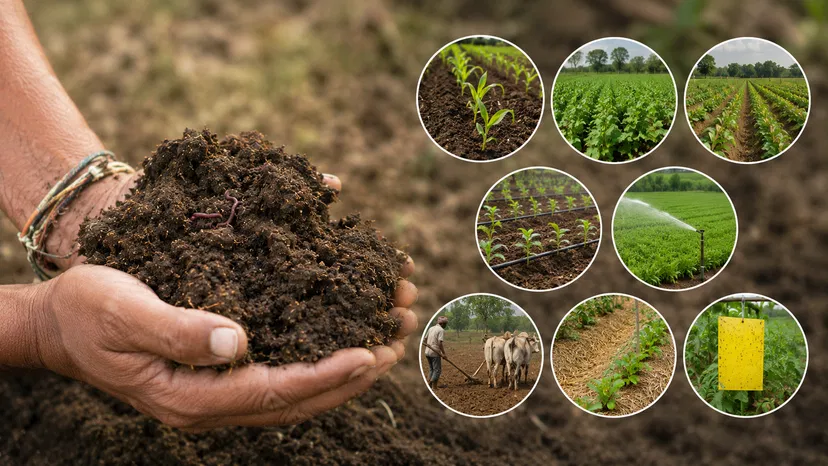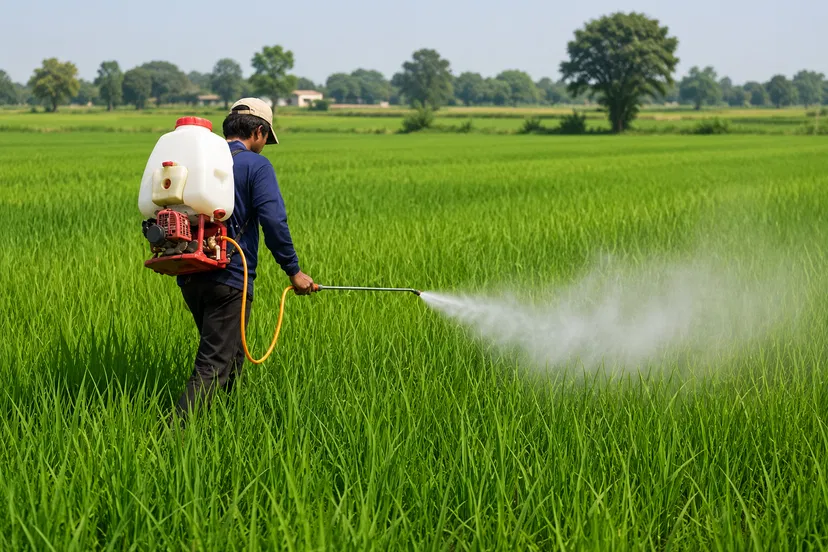
Healthy soil is the foundation of productive farming, and more growers are turning to natural inputs that support long-term fertility. Panchagavya has become one of the most talked-about organic solutions in sustainable agriculture because it helps improve soil life, plant vigor, and crop yield without relying on synthetic chemicals.
Prepared from five cow-based ingredients, Panchagavya is widely used as a bio-enhancer, foliar spray, and soil application. Farmers value it for its ability to strengthen crops naturally, improve flowering and fruiting, and support better resistance to stress. If you want an eco-friendly way to boost plant health, understanding Panchagavya preparation and benefits for crops is a smart place to start.
What Is Panchagavya?
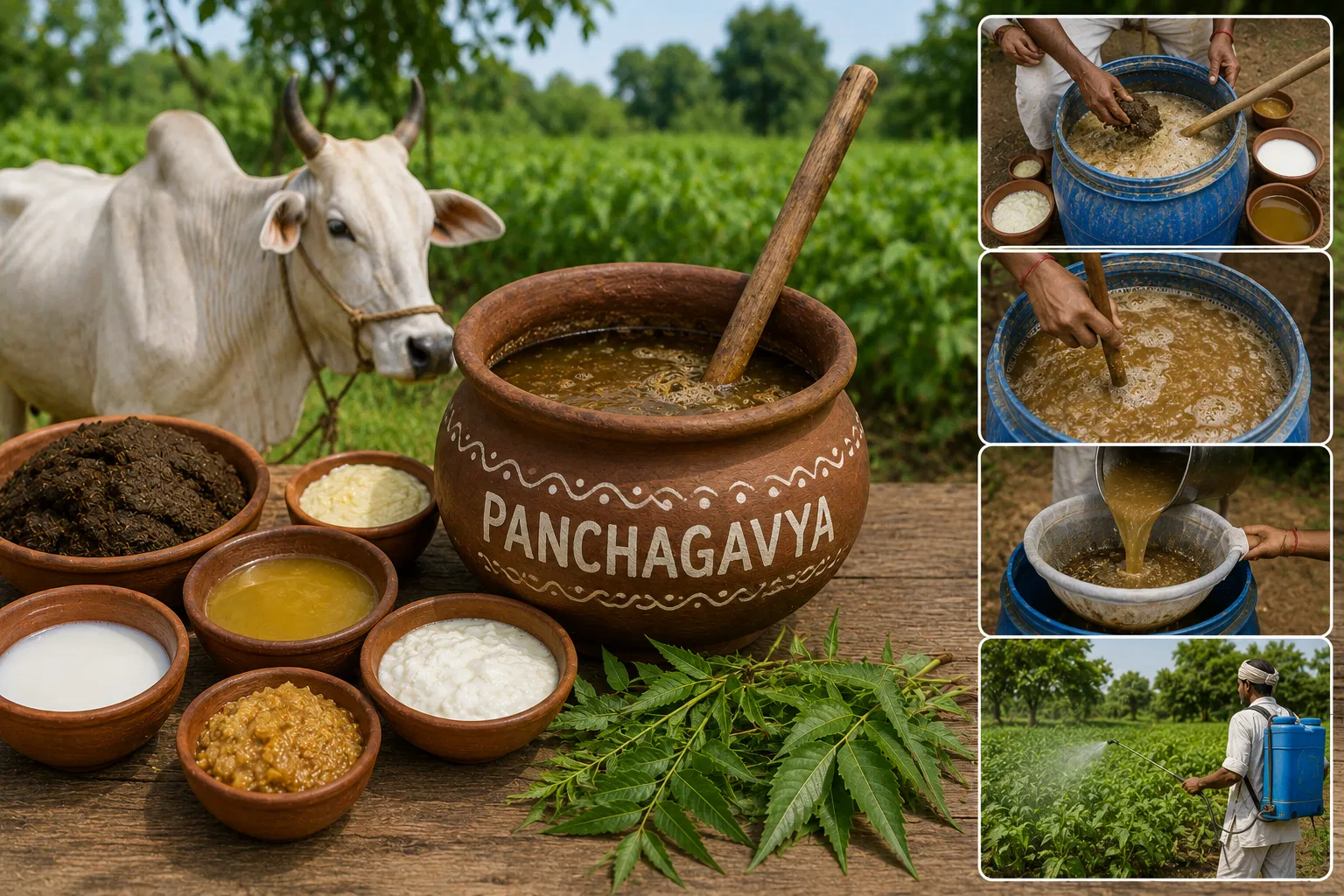
Panchagavya is a traditional organic formulation made from five products obtained from the cow: dung, urine, milk, curd, and ghee. In Sanskrit, “Pancha” means five and “gavya” refers to cow-derived substances. When fermented properly, this mixture becomes a nutrient-rich biological tonic used in organic farming.
Unlike synthetic fertilizers, Panchagavya does not simply feed the plant. It also supports beneficial microorganisms in the soil, helping create a healthier root environment and improving nutrient availability over time.
Ingredients Used in Panchagavya Preparation
The standard Panchagavya recipe includes both the five main cow products and additional natural inputs that help fermentation and improve effectiveness.
- Fresh cow dung
- Fresh cow urine
- Cow milk
- Cow curd
- Cow ghee
- Ripe bananas
- Jaggery
- Water
Some farmers also add coconut water or tender coconut, depending on local practice. The goal is to encourage fermentation and increase the microbial activity of the final solution.
How to Prepare Panchagavya
Proper Panchagavya preparation is essential for good results. The process is simple, but it requires cleanliness, regular stirring, and patience during fermentation.
Step-by-Step Preparation Method
- Mix ghee and cow dung in a clean container and stir well for about 3 to 5 minutes.
- Let this mixture sit for 24 hours.
- Add cow urine and stir thoroughly.
- After another 24 hours, add cow milk and curd.
- Mix in jaggery, mashed ripe bananas, and water.
- Stir the entire mixture twice daily for about 10 to 15 days.
- Allow it to ferment in a shaded place, away from direct sunlight and rain.
Once fermentation is complete, the solution will have a strong but natural smell and a thick, enriched consistency. It is then ready for use after filtering if needed.
Basic Preparation Ratio
A commonly used ratio for Panchagavya is:
- 1 kg fresh cow dung
- 500 ml cow urine
- 1 liter cow milk
- 1 liter cow curd
- 500 g cow ghee
- 3 to 5 ripe bananas
- 1 kg jaggery
- 5 to 10 liters of water
Farmers may adjust quantities based on local conditions and crop requirements, but maintaining balance in the ingredients is important for successful fermentation.
How Panchagavya Benefits Crops
Panchagavya is known for its wide-ranging effects on crop growth, soil fertility, and overall plant health. It works as a natural stimulant that improves both below-ground and above-ground plant performance.
1. Improves Soil Microbial Activity
Panchagavya helps increase beneficial microbes in the soil. These microorganisms break down organic matter and make nutrients more accessible to plants. Over time, this supports better soil structure and fertility.
2. Enhances Root Growth
Healthy roots are essential for strong crops. Panchagavya encourages root development, allowing plants to absorb water and nutrients more efficiently. Strong root systems also help crops survive stressful conditions such as drought and transplant shock.
3. Promotes Vegetative Growth
Many farmers observe faster plant growth, greener leaves, and improved canopy development after using Panchagavya. The natural nutrients and microbial compounds help support more vigorous vegetative growth.
4. Increases Flowering and Fruiting
Panchagavya is especially valued during flowering and fruit set. It can support better flower retention, improve fruit initiation, and contribute to higher overall yield. For horticultural crops, this benefit is one of the main reasons it is widely adopted.
5. Improves Nutrient Uptake
Because Panchagavya enhances microbial activity and root function, plants can absorb nutrients more effectively. This means crops may make better use of available nitrogen, phosphorus, potassium, and trace elements in the soil.
6. Supports Natural Stress Resistance
Crops treated with Panchagavya often show better tolerance to environmental stress. It may help plants recover more quickly from transplanting, heat, and moisture fluctuations, making it useful in diverse farming conditions.
7. Contributes to Better Yield and Quality
When applied regularly, Panchagavya can improve crop uniformity, fruit size, color, and shelf life in some crops. Farmers using organic practices often report improved market quality and better overall productivity.
How to Use Panchagavya on Crops
Panchagavya is usually applied as a foliar spray or soil drench. The correct dilution is important to avoid over-application.
Foliar Spray
Mix Panchagavya with water at a dilution of 3% to 5% and spray on both sides of the leaves. This method helps plants absorb beneficial compounds directly through foliage.
Soil Application
It can also be applied around the root zone after diluting it with water. This method supports soil microbial activity and root health.
Common Application Timing
- At seedling stage
- After transplanting
- Before flowering
- During fruit set
- At regular intervals of 10 to 15 days
For best results, apply during early morning or late afternoon to reduce evaporation and improve absorption.
Precautions for Panchagavya Preparation and Use
To get the full benefit of Panchagavya, farmers should follow a few important precautions.
- Use fresh, clean ingredients from healthy cows.
- Keep the container clean and preferably made of earthen, plastic, or non-reactive material.
- Stir the mixture regularly during fermentation.
- Store it in a shaded area.
- Do not use excessive concentration while spraying.
- Test on a small crop area before full application.
Following these steps helps maintain the quality of the solution and reduces the chance of crop damage from improper use.
Why Farmers Prefer Panchagavya in Organic Farming
Panchagavya fits perfectly into organic and natural farming systems because it improves plant health without harming soil ecology. It is low-cost, locally made, and easy to prepare with available resources. For small and large farms alike, it offers a practical way to reduce dependence on chemical inputs while supporting sustainable production.
Panchagavya is not just a fertilizer replacement; it is a complete natural growth promoter that strengthens the soil, nourishes the crop, and supports long-term farm health.
Conclusion
Panchagavya preparation and benefits for crops make it one of the most effective natural tools in organic agriculture. From improving soil biology to boosting flowering, fruiting, and yield, it offers a holistic approach to healthier farming. When prepared correctly and applied at the right stage, Panchagavya can become a valuable part of any sustainable crop management plan.
If you are looking to build fertile soil, grow stronger plants, and support chemical-free farming, Panchagavya is worth adding to your crop care routine. Start small, follow proper preparation methods, and observe the results in your field.