
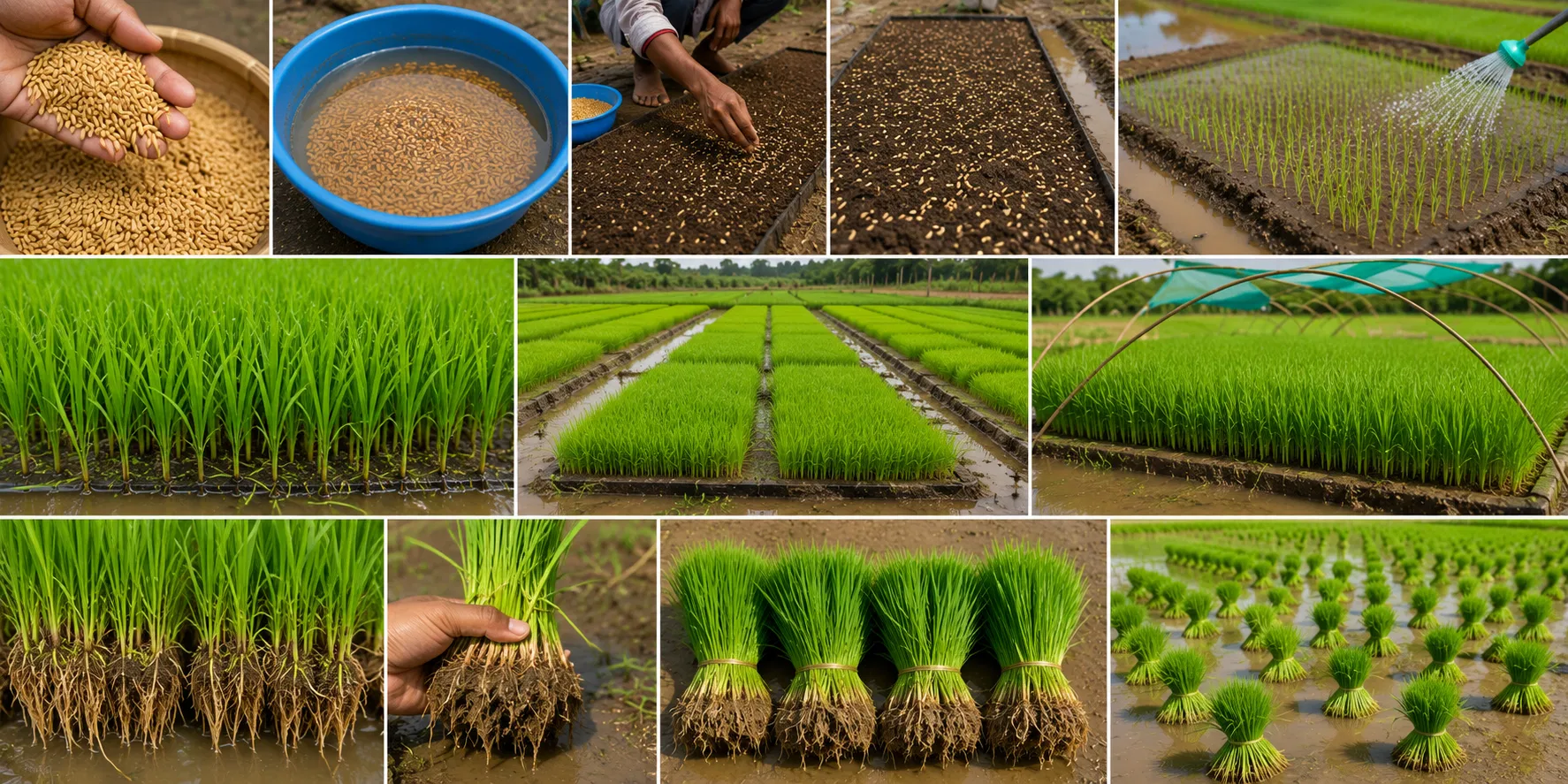
A strong rice crop begins long before transplanting. It starts in the nursery, where careful paddy nursery management determines whether seedlings grow into healthy, resilient plants or weak, uneven ones. If you want better establishment, faster recovery after transplanting, and higher yield potential, the nursery stage deserves your full attention.
This guide covers everything you need to know about paddy nursery management for healthy seedlings, from site selection and seed treatment to watering, fertilization, and seedling care. Whether you are a smallholder farmer or managing larger rice production, the right nursery practices can make a major difference in crop performance.
Why Paddy Nursery Management Matters
The nursery is the foundation of rice production. Poor seedling quality leads to gaps in the field, delayed growth, increased disease pressure, and lower productivity. Healthy rice seedlings, on the other hand, establish quickly, compete better with weeds, and respond more effectively to field conditions.
Good paddy nursery management helps you:
- Produce uniform seedlings
- Reduce seedling mortality
- Improve transplanting success
- Minimize disease and pest outbreaks
- Save seed and fertilizer
- Support stronger root and shoot development
Choose the Right Nursery Site
The nursery location should be easy to manage and protected from flooding, strong winds, and livestock damage. A good site supports even germination and makes daily care much easier.
Key features of a good nursery site
- Well-drained soil with good moisture retention
- Access to clean irrigation water
- Near the main rice field for easy transport
- Full or partial sunlight
- Free from shade, weeds, and previous disease buildup
For best results, avoid areas where rice was grown recently if disease pressure was high. Crop rotation and field hygiene can reduce the risk of seed-borne and soil-borne problems.
Select Quality Seed for Healthy Seedlings
Seed quality is one of the most important factors in paddy nursery management. Even perfect nursery conditions cannot fully compensate for poor seed. Always use certified or high-germination seed from a reliable source.
What to look for in rice seed
- High germination percentage
- Uniform grain size
- Free from insect damage and discoloration
- No signs of mold or contamination
- Variety suited to your region and planting season
Before sowing, conduct a simple germination test. Soak a sample of seed and place it in a moist cloth or tray. If germination is low, adjust your sowing rate or replace the seed entirely.
Prepare the Nursery Bed Properly
Proper bed preparation creates the best environment for rice seedling growth. The bed should be fine-textured, level, and able to hold moisture without becoming waterlogged.
Steps to prepare a nursery bed
- Clear the site of weeds, crop residues, and stones.
- Plow or dig the soil to loosen it well.
- Break large clods and level the surface.
- Mix in well-decomposed farmyard manure or compost.
- Create raised beds in areas prone to flooding.
- Make narrow irrigation channels for easy watering.
Raised beds are especially useful in heavy soils or during rainy periods, while flat beds may work well in controlled irrigated conditions. The main goal is to keep moisture balanced and roots well aerated.
Treat and Soak the Seed Before Sowing
Seed treatment improves germination and helps protect young seedlings from fungal and bacterial infections. This step is especially important in humid environments where disease can spread quickly.
Soak the seed in clean water for 24 hours, then drain and keep it in a moist sack or container for another 24 to 36 hours until small sprouts appear. This pre-germination process helps seedlings emerge evenly and quickly.
Tip: Do not over-soak the seed for too long, as it may reduce oxygen supply and weaken germination.
If recommended in your area, use approved seed treatment products to reduce infection risk. Always follow local guidance and product instructions carefully.
Sow at the Right Rate and Depth
Overcrowding is one of the most common nursery mistakes. Too many seeds in one area lead to weak, spindly seedlings that compete for light, nutrients, and space. Proper spacing supports strong root growth and uniform development.
Best sowing practices
- Broadcast seed evenly across the bed
- Avoid piling seed in thick layers
- Use the recommended seed rate for your variety and nursery type
- Cover lightly with fine soil, compost, or husk ash if needed
Seeds should not be buried too deeply. Shallow placement allows easy emergence and reduces seedling stress. After sowing, keep the surface moist but not flooded.
Manage Water Carefully
Water management is critical for healthy rice seedlings. Too little water causes poor germination and drought stress. Too much water can suffocate roots, wash away seed, and encourage disease.
Watering guidelines
- Keep the nursery bed consistently moist during germination
- Apply water gently to avoid disturbing seeds
- Drain excess water quickly after heavy rainfall
- Increase watering frequency during hot, dry weather
Once seedlings establish, maintain shallow moisture rather than full flooding unless your nursery system requires it. Good drainage is especially important in the early stages of growth.
Provide the Right Nutrients
Rice seedlings need adequate nutrients to grow quickly and develop strong leaves and roots. A nutrient-deficient nursery often produces pale, weak seedlings that struggle after transplanting.
Incorporate compost or well-rotted manure into the bed before sowing. If needed, apply a small amount of balanced fertilizer according to local recommendations. Avoid overfertilizing, as this can burn young roots and cause excessive top growth.
Signs of nutrient deficiency in seedlings
- Pale or yellow leaves
- Slow growth
- Thin, weak stems
- Poor root development
Healthy seedlings should have firm stems, bright green leaves, and a well-developed root system by the time they are ready for transplanting.
Control Weeds, Pests, and Diseases
Weeds compete with seedlings for nutrients, light, and moisture. Pests and diseases can destroy an entire nursery if left unchecked. Early monitoring is essential.
Effective nursery protection
- Remove weeds regularly by hand
- Keep nursery edges clean
- Inspect seedlings often for insect damage
- Use clean water and clean tools
- Avoid overcrowding, which increases disease risk
Common nursery problems include damping-off, leaf spots, and insect feeding damage. Many of these issues are reduced by proper spacing, drainage, and hygiene. If a serious outbreak appears, seek local agricultural advice before applying control measures.
Harden Seedlings Before Transplanting
Hardening is the process of gradually exposing seedlings to field conditions so they become stronger and more resilient. This step reduces transplant shock and improves survival after moving them to the main paddy field.
About 5 to 7 days before transplanting, reduce watering slightly and limit excessive nutrient application. Seedlings should remain healthy but begin adapting to less sheltered conditions.
Ideal transplanting seedlings are
- Healthy and uniform in size
- About 18 to 25 days old, depending on variety and system
- Free from pests and diseases
- Strong enough to handle lifting and transplanting
Do not wait too long to transplant. Overaged seedlings often recover slowly and may produce lower yields.
Common Mistakes to Avoid
Even experienced growers can make nursery mistakes that affect crop performance. Avoiding these errors can save time, labor, and money.
- Using poor-quality or old seed
- Sowing too densely
- Overwatering or flooding the nursery
- Neglecting weed control
- Ignoring early signs of disease
- Transplanting seedlings that are too old or too young
Small improvements in nursery management often lead to major gains in the main field. Healthy seedlings are one of the most cost-effective ways to improve rice production.
Conclusion
Successful paddy nursery management is about consistency, attention to detail, and timely care. From choosing quality seed and preparing the bed to managing water, nutrients, and pests, every step helps shape the strength of your rice crop.
If you want healthier seedlings and better harvests, start by improving your nursery practices today. A well-managed nursery does more than grow young plants—it builds the foundation for a productive rice season.
Take action now: review your current nursery methods, correct weak points, and apply these best practices before your next planting cycle.


