Muskmelon farming can be highly rewarding when every stage is managed with care, from choosing the right seed to supporting healthy fruit development. Whether you are growing muskmelon for local markets or commercial production, success depends on proper planning, climate understanding, and timely crop management. With the right practices, you can produce sweet, aromatic, high-quality fruits that stand out in the market.
Why Muskmelon Farming Matters
Muskmelon, also known as cantaloupe in many regions, is a warm-season crop valued for its sweet flavor, nutrition, and strong consumer demand. It grows best in sunny conditions and well-drained soils, making it suitable for many farming areas with the right care. A successful muskmelon crop starts long before harvest, and seed selection plays a major role in determining plant vigor, disease resistance, and fruit quality.
Choosing the Right Muskmelon Seeds
Seed selection is the foundation of profitable muskmelon farming. High-quality muskmelon seeds improve germination, uniform growth, and fruit consistency. Farmers should always choose certified seeds from trusted suppliers to reduce the risk of poor emergence and disease problems.
What to look for in muskmelon seeds
- High germination rate: Seeds should sprout quickly and evenly.
- Disease resistance: Choose varieties resistant to powdery mildew, wilt, and viruses.
- Market preference: Select fruit shape, size, and skin type based on buyer demand.
- Suitable maturity period: Early, medium, or late varieties depending on your climate and market window.
- Adaptability: Seeds should perform well in your soil and weather conditions.
If possible, test seeds before planting large acreage. This helps identify weak batches and improves field uniformity. Hybrid muskmelon varieties often give higher yields and better fruit quality, but open-pollinated types may be preferred by growers who want to save seed for future planting.
Ideal Climate and Soil Conditions
Muskmelon performs best in warm weather with plenty of sunlight. The crop is sensitive to frost and low temperatures, especially during early growth. For strong establishment and fruit development, daytime temperatures around 24°C to 30°C are generally ideal.
Soil preparation is equally important. Muskmelon grows best in sandy loam or loam soil with excellent drainage. Heavy clay soils can cause root problems and reduce fruit quality. A soil pH between 6.0 and 7.0 is usually suitable for optimal nutrient uptake.
Soil preparation steps
- Clear the field of weeds, crop residues, and stones.
- Plow or till the soil deeply to improve aeration and root penetration.
- Incorporate well-decomposed farmyard manure or compost.
- Create raised beds or ridges if drainage is poor.
- Test soil nutrients and adjust fertilizer planning accordingly.
Good drainage is critical because waterlogging can quickly damage roots and reduce plant productivity. Proper bed design also helps maintain healthier plants throughout the growing season.
Sowing and Spacing for Strong Plant Establishment
Muskmelon seeds can be planted directly in the field or started in nursery trays for transplanting. Direct seeding is common in many farming systems because muskmelon does not tolerate root disturbance well. However, transplanting young seedlings can be useful where weather conditions are unstable or early crop establishment is needed.
Planting depth should be shallow, usually around 2 to 3 cm, depending on soil texture and moisture conditions. Seeds need enough moisture to germinate, but excessive watering can lead to rot.
Recommended spacing
- Row spacing: 1.5 to 2 meters
- Plant spacing: 45 to 60 cm within rows
- Hill spacing: 1 to 1.5 meters depending on variety and training method
Proper spacing ensures better air circulation, reduced disease pressure, and enough room for vine growth and fruit expansion. Crowded plants often compete for light and nutrients, leading to smaller fruits and lower yields.
Irrigation Management
Water management is one of the most important parts of muskmelon farming. The crop needs consistent moisture during germination, vine growth, flowering, and early fruit set. However, too much water can reduce sweetness, encourage disease, and cause fruit cracking.
Drip irrigation is ideal because it delivers water directly to the root zone and reduces leaf wetness. This helps lower disease risk and improves water-use efficiency. If drip irrigation is not available, furrow irrigation can be used carefully to avoid flooding the field.
Important irrigation tips
- Keep the soil evenly moist during germination and early growth.
- Reduce excess watering during flowering to improve pollination.
- Increase water slightly during fruit enlargement if the soil becomes dry.
- Reduce irrigation close to harvest to improve sweetness and flavor.
Sudden water stress can affect fruit size and quality, so regular monitoring is essential. Mulching with straw or plastic can also help conserve moisture and suppress weeds.
Fertilizer and Nutrient Management
Muskmelon needs balanced nutrition to support vine growth, flowering, and fruit development. Nitrogen helps early growth, phosphorus supports root establishment, and potassium improves fruit quality, sweetness, and shelf life. Overuse of nitrogen should be avoided because it may lead to excessive vine growth and poor fruiting.
Apply organic matter before planting to improve soil structure and nutrient availability. Then use a fertilizer plan based on soil test results. Split fertilizer applications are often more effective than one-time heavy dosing.
General nutrient strategy
- Apply compost or well-rotted manure before planting.
- Use a balanced basal fertilizer at sowing or transplanting.
- Side-dress nitrogen during vine growth if plants appear weak.
- Increase potassium during flowering and fruit development.
Micronutrients such as magnesium, calcium, and boron also support healthy muskmelon production. Calcium is especially important for fruit firmness and reducing physiological disorders.
Weed, Pest, and Disease Control
Weeds compete with muskmelon plants for water, nutrients, and sunlight. Early weed control is essential because young seedlings are especially vulnerable. Mulching, hand weeding, and shallow cultivation are effective methods for keeping the field clean.
Several pests can damage muskmelon crops, including aphids, whiteflies, cucumber beetles, and fruit flies. These pests may spread diseases or directly harm the plant. Regular field scouting helps detect problems early.
Common disease concerns
- Powdery mildew
- Downy mildew
- Fusarium wilt
- Virus diseases
Use integrated pest management practices to minimize crop loss. This includes crop rotation, resistant varieties, proper spacing, timely spraying when needed, and removing infected plants. Avoid continuous cultivation of muskmelon or other cucurbits in the same field, as this increases disease pressure.
Pollination and Flowering
Muskmelon plants produce separate male and female flowers, and successful pollination is necessary for fruit formation. Bees are the primary pollinators and play a major role in setting good-quality fruits. A healthy flowering field with active bee movement usually leads to better fruit count and uniformity.
To encourage pollination, avoid spraying harmful chemicals during peak flowering hours. If natural pollinator activity is low, farmers can use managed bee colonies or support surrounding habitat to attract beneficial insects.
Healthy pollination is not just about more fruits—it is about better-shaped, better-filled, and more marketable muskmelons.
Fruit Development and Quality Management
After pollination, fruit development becomes the crop's most critical stage. The young fruits need balanced water and nutrients to grow properly. At this point, excessive foliage can reduce fruit quality, while poor nutrition can lead to small or bland fruits.
Remove weak or misshapen fruits if necessary to direct plant energy toward fewer, better-quality melons. Some growers also train vines to improve airflow and sunlight exposure, which supports healthier fruit development.
Signs of healthy fruit development
- Uniform fruit size and shape
- Strong rind development
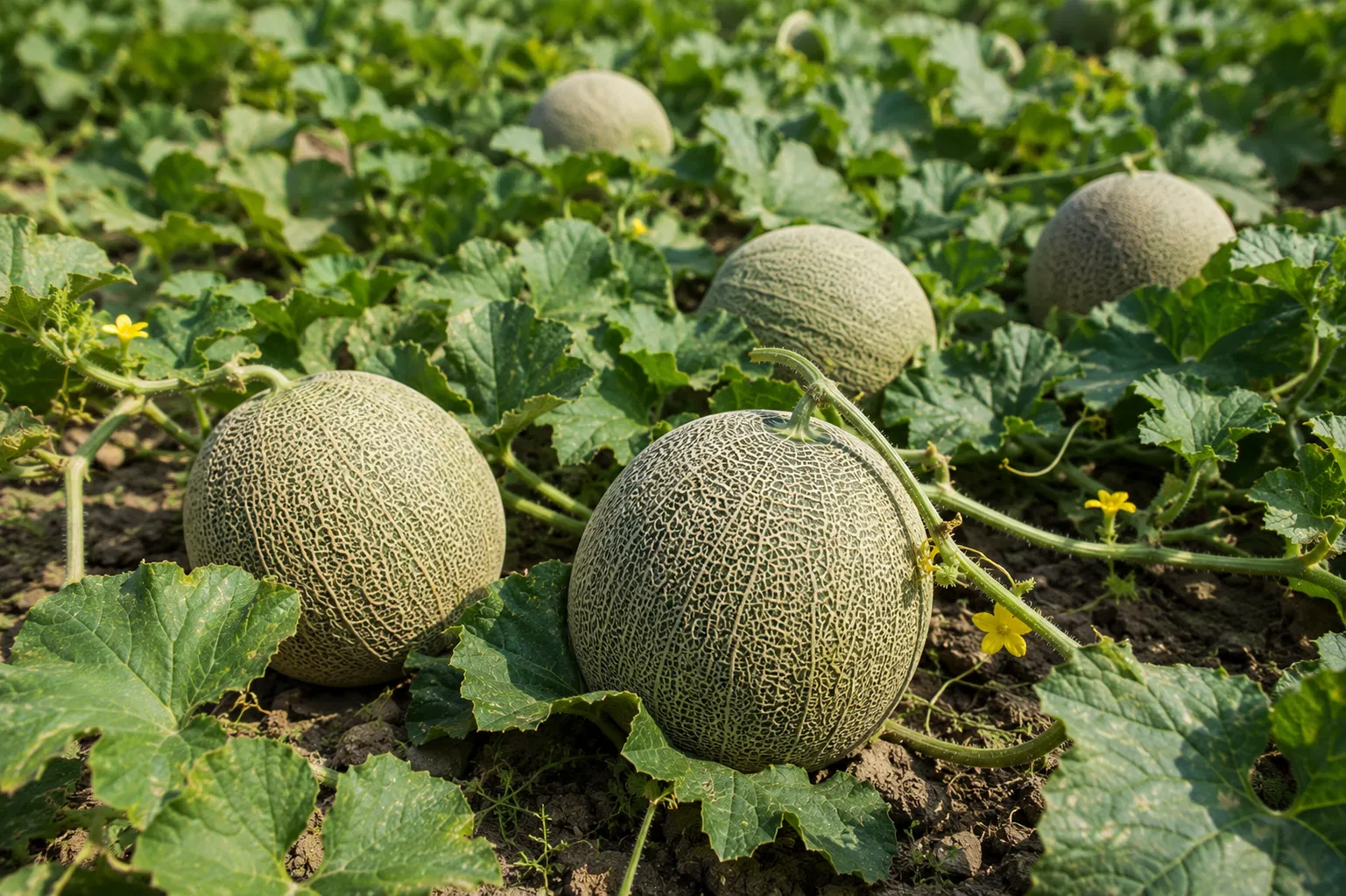
- Good netting or skin texture, depending on variety
- Sweet aroma as fruits mature
- Stable vine health without excessive yellowing
Careful irrigation management during fruit development is essential. Too much moisture late in the season can dilute flavor, while too little water may reduce fruit size. Consistency is the key.
Harvesting Muskmelon at the Right Time
Harvest timing determines final fruit quality. Muskmelons are usually ready when they develop full aroma, show proper skin color, and detach easily from the vine in many varieties. Harvesting too early reduces sweetness, while harvesting too late can shorten shelf life and increase damage during transport.
Handle fruits gently and avoid dropping or stacking them heavily. Use clean tools and harvest in cooler parts of the day whenever possible. Proper post-harvest handling preserves quality and improves market value.
Final Thoughts on Muskmelon Farming
Successful muskmelon farming starts with strong seed selection and continues through smart soil preparation, careful irrigation, balanced nutrition, and effective pest control. Every stage influences the next, especially fruit development, where attention to water, pollination, and plant health determines yield and sweetness.
If you want better profits from muskmelon cultivation, focus on quality from the beginning. Choose the right variety, manage the crop carefully, and harvest at the right time. With disciplined field practices, muskmelon farming can become a productive and rewarding venture season after season.