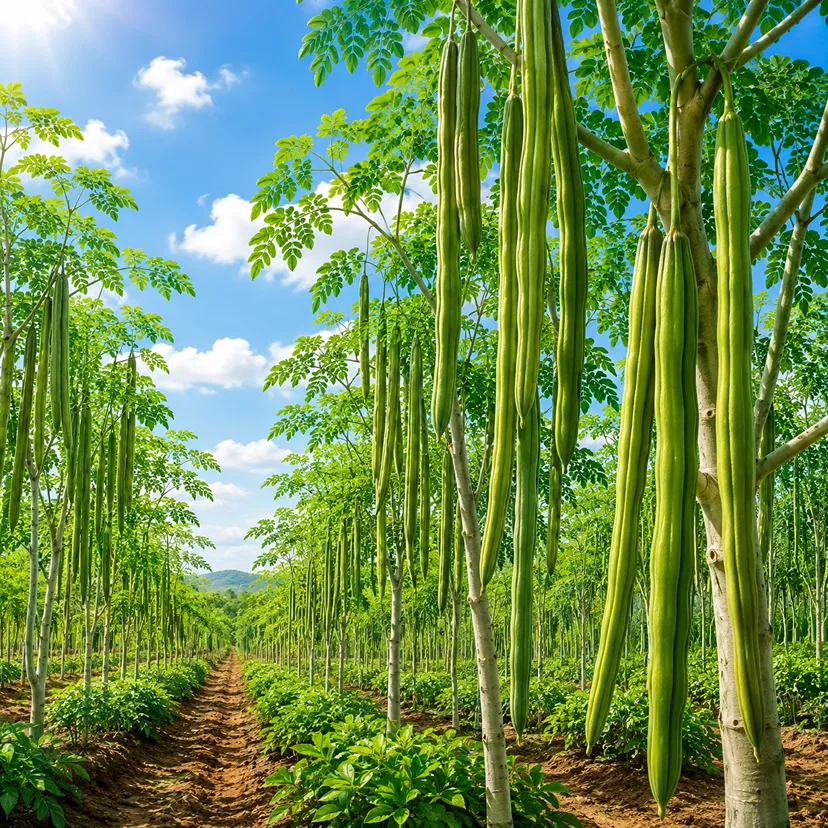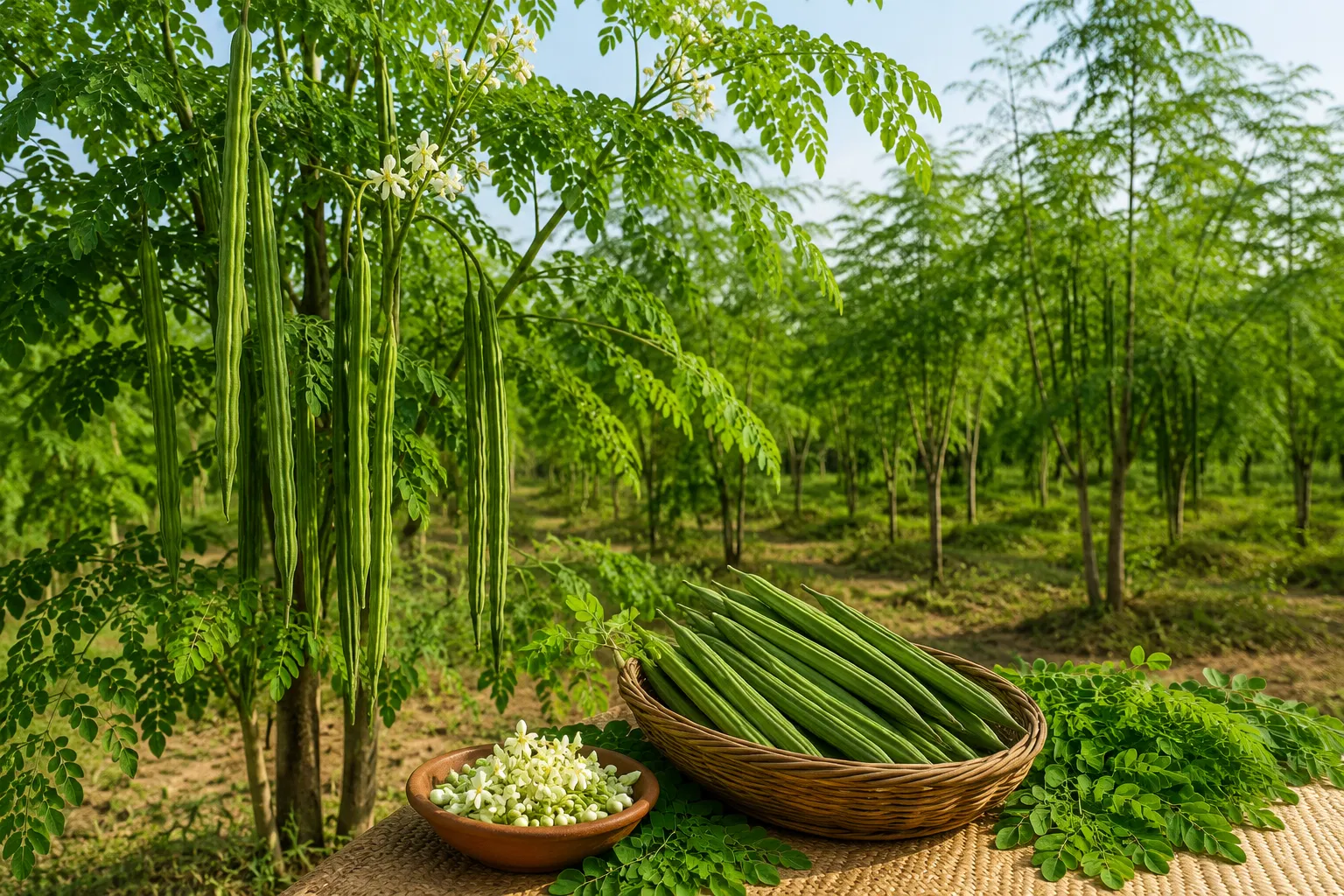
Moringa farming is quickly becoming one of the most talked-about opportunities in modern agriculture. Known as the "miracle tree," moringa is packed with nutrients, grows fast, and has a wide range of uses across food, health, cosmetics, and animal feed markets. For farmers looking for a crop with strong demand and multiple income streams, moringa offers a compelling case.
What makes moringa especially attractive is its versatility. Nearly every part of the plant has value, from the leaves and pods to the seeds and oil. As more consumers seek natural, plant-based, and nutrient-rich products, the demand for moringa continues to rise in local and international markets.
Why Moringa Farming Is Gaining Popularity
Moringa farming stands out because the crop checks many boxes that farmers and buyers care about. It is resilient, fast-growing, and adaptable to different climates. Unlike many crops that take months or years to generate returns, moringa can start producing leaves within a short time after planting.
The global rise in health-conscious eating has also pushed moringa into high demand. Moringa powder, tea, capsules, and oil are now common in wellness stores and online marketplaces. This growing interest has opened doors for small-scale farmers and commercial growers alike.
Top Reasons Moringa Is a High-Demand Crop
1. Nutrient-Rich and Widely Marketed as a Superfood
Moringa leaves are loaded with vitamins, minerals, and antioxidants. They are often marketed as a natural source of iron, calcium, vitamin C, and protein. Because of this, moringa is in demand among consumers looking for healthier food alternatives.
Common moringa products include:
- Moringa leaf powder
- Moringa tea
- Capsules and supplements
- Fresh leaves for cooking
- Animal feed additives
This wide range of product forms helps keep demand strong throughout the year.
2. Fast Growth and Early Harvest Potential
One of the biggest advantages of moringa farming is how quickly the plant grows. In suitable conditions, moringa can be harvested for leaves within a few months. This shorter production cycle means farmers may begin earning sooner than with many other crops.
Fast growth also makes moringa ideal for repeated harvesting. With proper pruning and care, farmers can collect leaves multiple times a year, creating a steady source of income.
3. Multiple Revenue Streams from One Crop
Moringa is not a one-purpose crop. Farmers can earn money from several parts of the plant, including:
- Leaves for drying, powder production, and fresh consumption
- Pods sold as vegetables in local markets
- Seeds used for oil extraction and water purification
- Oil sold in cosmetic and wellness industries
- Seed cake used as fertilizer or feed
This flexibility reduces risk and increases profitability because the farmer is not dependent on a single market.
4. Strong Demand in Health, Food, and Beauty Industries
Moringa has found a place in several growing industries. In the health sector, it is promoted as a nutrient-dense supplement. In food manufacturing, it is used in smoothies, baked goods, soups, and herbal teas. In the beauty industry, moringa oil is valued for skincare and haircare products.
As more brands look for natural ingredients, moringa continues to gain attention. That means farmers who can supply quality raw material are well-positioned to benefit from this expanding market.
5. Climate Resilience and Low Input Requirements
Moringa is a hardy crop that can tolerate heat and drought better than many other plants. This makes it suitable for regions where rainfall is limited or unreliable. For farmers in marginal areas, moringa farming can be a practical solution.
It also tends to require fewer inputs than many commercial crops. While proper soil preparation, spacing, watering, and pest management are still important, the overall cost of production can be relatively low compared to more demanding crops.
For many growers, moringa offers the rare combination of low production cost, fast turnover, and expanding market demand.
Best Uses of Moringa That Drive Market Demand
Understanding how moringa is used helps explain why it remains in demand. Buyers are not just purchasing a crop; they are purchasing a raw material for a wide range of consumer goods.
- Food products: Fresh leaves, dried leaf powder, soups, and fortified meals
- Supplements: Capsules, tablets, and herbal blends
- Cosmetics: Oils, lotions, shampoos, and creams
- Animal nutrition: Feed for poultry, livestock, and fish
- Industrial uses: Water purification and biodegradable products
This broad usage creates strong and diverse demand, making it easier for farmers to find buyers in different sectors.
What Makes Moringa Farming Profitable
Profitability in moringa farming depends on good planning, proper crop management, and access to the right market. However, the crop's natural strengths give it a major advantage.
Key profit drivers include:
- Quick harvest cycles
- Low maintenance compared to many cash crops
- High value-added product potential
- Year-round market interest in health products
- Ability to sell both fresh and processed forms
Farmers who process moringa into powder, tea, or oil often earn more than those who sell raw leaves alone. Value addition can significantly improve margins and help farmers reach niche markets.
Tips for Starting a Successful Moringa Farm
If you want to take advantage of moringa's growing demand, it helps to start with a smart strategy. Success comes from more than just planting seeds.
Choose the Right Variety
Select a moringa variety that performs well in your climate and suits your target market. Some varieties are better for leaf production, while others are more suitable for pods or seed yield.
Focus on Quality
High-quality moringa products are more likely to attract repeat buyers. Use clean harvesting practices, proper drying methods, and hygienic packaging to maintain value.
Know Your Market Early
Before planting on a large scale, identify potential buyers. These may include local traders, health shops, herbal product manufacturers, restaurants, and online customers.
Consider Value Addition
Processing moringa into powder, tea bags, or oil can significantly increase your earnings. Even simple packaging improvements can make your product more marketable.
Maintain Consistent Supply
Buyers prefer reliable suppliers. With proper pruning, irrigation, and crop management, you can schedule regular harvests and build a stable customer base.
Challenges to Keep in Mind
Although moringa farming has many benefits, it is not without challenges. Like any agricultural venture, it requires attention and discipline.
- Market access may be limited in some areas
- Processing and storage must be done carefully to preserve quality
- Price fluctuations can affect returns
- Proper drying and packaging are essential for premium products
Farmers who plan ahead and focus on quality management are better positioned to overcome these hurdles.
Conclusion: Why Moringa Farming Deserves Attention
Moringa farming is more than a trend. It is a practical, high-demand crop opportunity backed by strong consumer interest, multiple product uses, and relatively low production costs. From fresh leaves to powder, seeds, and oil, moringa offers farmers several ways to earn income from a single plant.
For anyone looking to start a profitable agribusiness or diversify an existing farm, moringa is worth serious consideration. With the right approach, it can become a reliable source of income and a smart long-term investment.
If you are looking for a crop with strong market potential and broad appeal, moringa farming is an opportunity worth exploring now.