Biopesticides can be a smart, sustainable way to manage pests, but they do not work well when they are used incorrectly. In many cases, the problem is not the product itself—it is the way it is applied, timed, stored, or integrated into a pest management plan. If you want stronger results from biopesticides, you need to avoid the common mistakes that reduce biopesticide effectiveness and limit performance in the field.
Understanding these errors can help growers, landscapers, and homeowners make better decisions, improve pest control outcomes, and get the most value from every application.
Why Biopesticides Sometimes Fail
Biopesticides are not designed to behave like conventional broad-spectrum chemicals. They often rely on specific environmental conditions, proper timing, and careful handling to work as intended. Many are living organisms, natural compounds, or microbial products that can be sensitive to heat, light, moisture, and mixing practices.
When users expect immediate, knockout results without following label directions or pest monitoring practices, disappointment is common. The key is to treat biopesticides as part of a broader integrated pest management strategy rather than a quick fix.
1. Applying Biopesticides at the Wrong Time
One of the most common mistakes that reduce biopesticide effectiveness is poor timing. Many biopesticides work best when pests are young, active, and still at an early stage of infestation. Waiting too long can make control much harder.
For example, microbial insecticides may be most effective against larvae, while some botanical products work better when pest populations are just beginning to build. If the pest pressure is already severe, the biopesticide may slow the problem but not fully control it.
Timing matters more than many people realize. Biopesticides often perform best as prevention or early intervention tools, not emergency rescue treatments.
2. Ignoring Environmental Conditions
Temperature, humidity, sunlight, and rain can all affect how well biopesticides perform. Some products break down quickly in direct sunlight. Others need adequate moisture to remain active. In some cases, extreme heat or cold can reduce product viability before it ever reaches the pest.
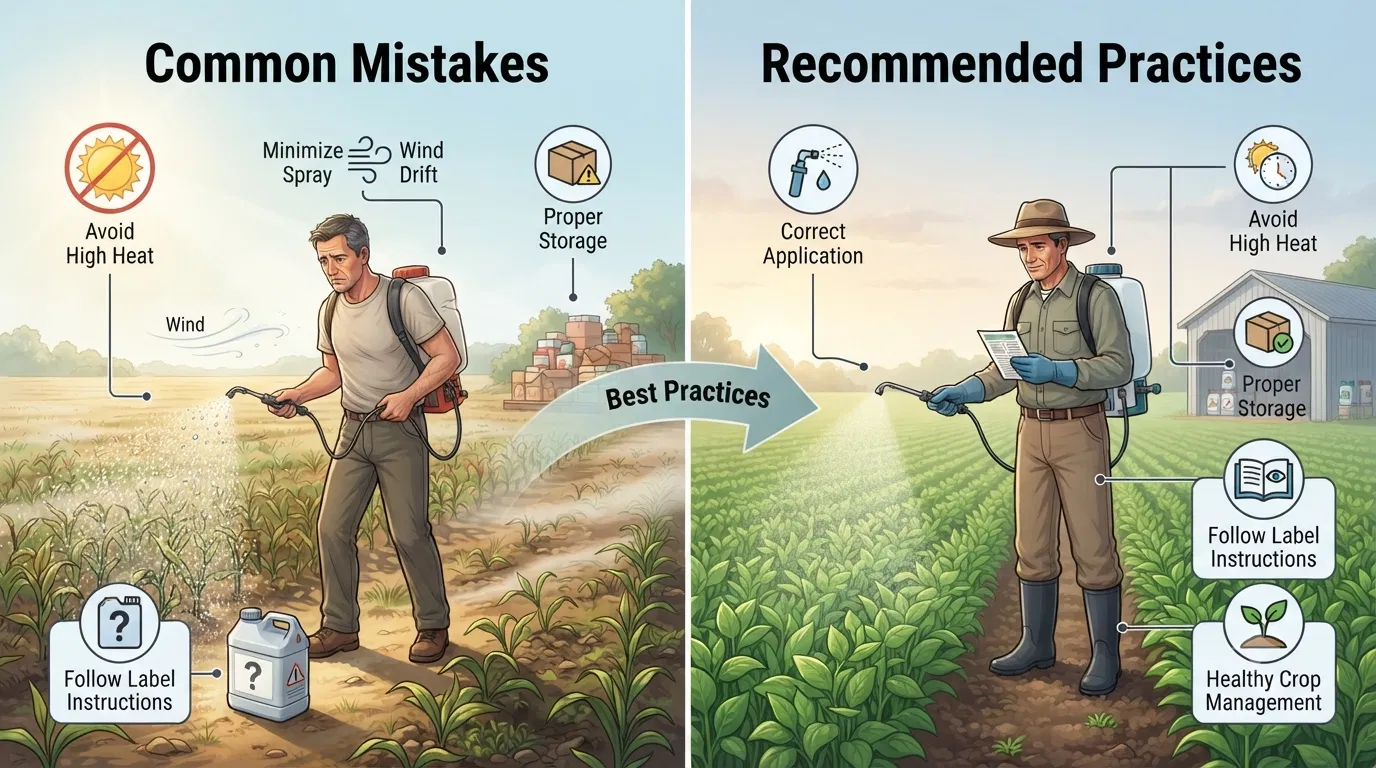
Spraying right before rainfall can wash products away, while applying during hot midday conditions may reduce survival of beneficial microbes or active ingredients. Always consider weather conditions before treatment.
Environmental factors that matter most
- High UV exposure
- Heavy rainfall shortly after application
- Extreme heat or cold
- Low humidity for moisture-dependent products
- Wind that reduces coverage or drift control
3. Using Poor Spray Coverage
Even the best biopesticide will not work if it does not reach the target pest. Incomplete coverage is a frequent issue, especially on dense foliage, undersides of leaves, stems, or hidden pest habitats. Since many biopesticides act through direct contact or ingestion, missing the pest means missing the opportunity for control.
Careful application technique is essential. Use the correct nozzle, pressure, and spray volume for the crop or area being treated. The goal is consistent coverage without excessive runoff.
4. Not Following Label Directions
The product label is not just a legal requirement; it is a performance guide. Many people reduce biopesticide effectiveness by applying the wrong rate, using improper tank mixes, or ignoring reapplication intervals. Under-dosing may lead to weak control, while over-dosing can increase cost without improving results.
Some biopesticides also require agitation, specific dilution, or certain water quality conditions. Skipping these instructions can compromise product stability and reduce activity.
Common label mistakes include:
- Using too little product per acre or per gallon
- Applying too frequently or not often enough
- Mixing with incompatible pesticides or adjuvants
- Ignoring protective equipment or application restrictions
- Overlooking crop, pest, or site-specific directions
5. Storing Products Improperly
Biopesticides are often more sensitive to storage conditions than synthetic products. Heat, freezing, moisture, and expired shelf life can all reduce potency. If a microbial product is stored in a hot shed or in direct sunlight, it may lose viability before use.
To preserve effectiveness, store products exactly as directed—usually in a cool, dry place away from sunlight. Always check expiration dates and rotate inventory so older products are used first.
6. Expecting Instant Results
Another mistake is expecting biopesticides to work as fast as conventional knockdown products. Many biopesticides act more slowly because they disrupt feeding, growth, reproduction, or pest biology rather than delivering immediate mortality.
This slower action does not mean the product is failing. It means users need realistic expectations and a longer evaluation window. Monitoring pest populations over time is a better way to measure success than judging results after just one day.
7. Failing to Integrate with IPM
Biopesticides work best as part of integrated pest management (IPM). Relying on them alone, especially under heavy pest pressure, can limit success. IPM combines scouting, threshold-based decisions, cultural practices, biological control, and targeted pesticide use.
When biopesticides are paired with sanitation, resistant varieties, habitat management, and beneficial insect protection, their effectiveness often improves significantly.
IPM practices that support better results
- Regular pest scouting
- Removing infested plant material
- Managing weeds and alternate hosts
- Protecting pollinators and beneficial insects
- Rotating modes of action when appropriate
8. Using the Wrong Product for the Pest
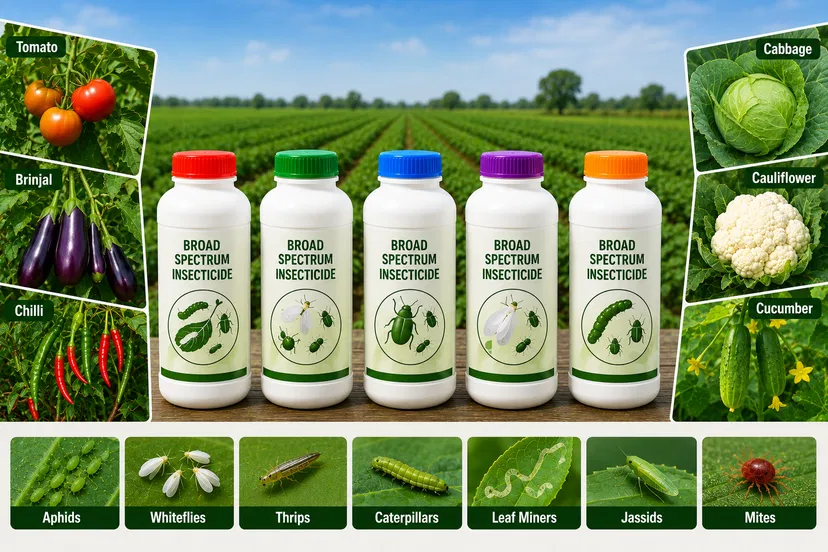
Not all biopesticides control all pests. A product that works well against caterpillars may do little against aphids, mites, fungi, or nematodes. Choosing the wrong active ingredient or biological agent is a major reason for poor results.
Accurate pest identification is essential before treatment. If you do not know exactly what pest or disease you are dealing with, you may waste time and money on an ineffective product. Matching the product to the target organism is one of the most important steps in successful biopesticide use.
9. Mixing with Incompatible Products
Tank mixing can save time, but it can also reduce biopesticide effectiveness if products are incompatible. Some chemicals, surfactants, or fertilizers can harm living biopesticides or alter their performance. Water pH and hardness may also affect stability.
Before mixing products, check the label and test compatibility when needed. If a biopesticide depends on living organisms, avoid anything that could kill or suppress them before they reach the pest.
10. Skipping Reapplication When Needed
Some biopesticides have shorter residual activity than conventional pesticides. Rain, sunlight, and natural degradation can reduce their presence on the target surface. If pressure continues, a second application may be necessary to maintain control.
Ignoring reapplication guidance can lead to control gaps and allow pest populations to rebound. Following the recommended interval helps sustain performance during vulnerable periods.
How to Improve Biopesticide Effectiveness
Getting better results starts with a disciplined approach. The best users of biopesticides pay attention to pest life stage, environmental conditions, coverage, and product handling. They also measure performance and adjust their strategy based on real-world results.
Here are a few practical ways to improve outcomes:
- Scout regularly and treat early
- Apply under favorable weather conditions
- Use proper spray equipment and coverage methods
- Follow label instructions carefully
- Store products correctly
- Use biopesticides within a broader IPM plan
- Choose products matched to the target pest
These steps may seem simple, but they can make a major difference in control levels and consistency.
Conclusion
Biopesticides can deliver excellent pest management results, but only when they are used with care and precision. The most common mistakes that reduce biopesticide effectiveness include poor timing, weak coverage, improper storage, incompatible tank mixes, and unrealistic expectations. Avoiding these errors can greatly improve performance and help you get more value from every application.
If you want biopesticides to work better, start by treating them as strategic tools, not shortcuts. Match the product to the pest, respect the environmental conditions, and build every application into a strong IPM program. That approach leads to healthier plants, better control, and more reliable results.
"