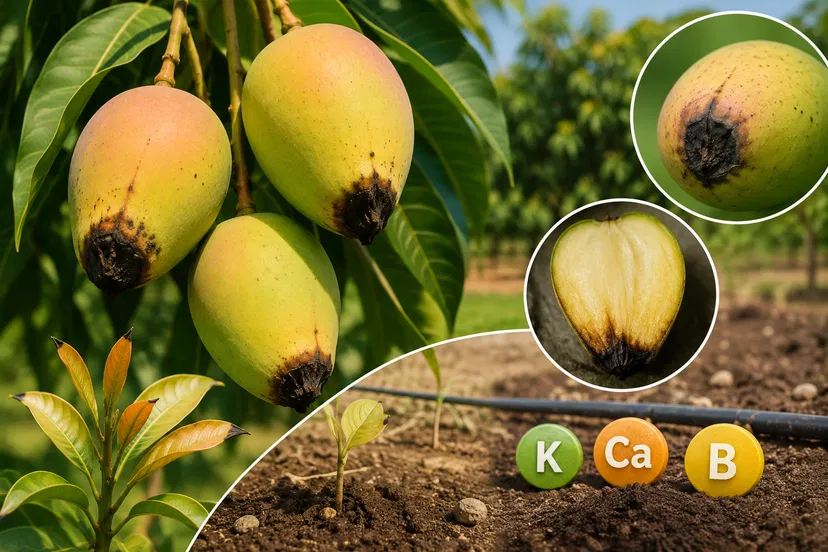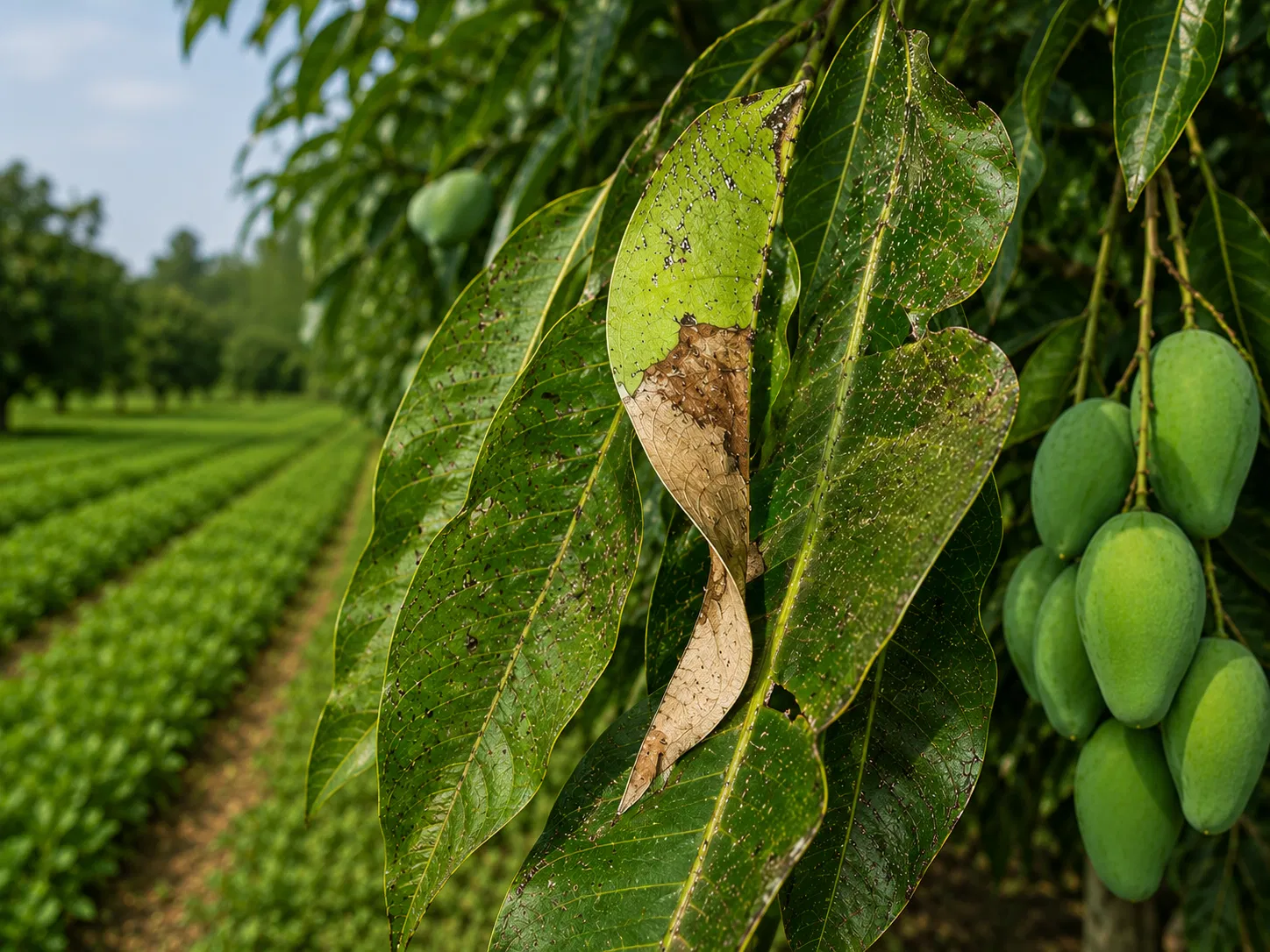
Mango hopper is one of the most destructive pests in mango orchards, especially during flowering and early fruit set. If left unchecked, these tiny insects can cause severe flower drop, poor fruit setting, and major yield loss. Knowing how to identify mango hopper symptoms, understand the damage they cause, and apply sprays at the right time is the key to protecting your crop.
What Is Mango Hopper?
Mango hopper refers to several sap-sucking insects that attack mango trees, mainly during the flowering season. Both nymphs and adults feed on tender parts of the plant, including panicles, leaves, and young shoots. Their feeding weakens the tree and creates conditions that favor sooty mold growth.
The pest is especially serious in warm, dry weather and can multiply quickly when orchard monitoring is poor. Early detection and timely control are essential for reducing losses.
Symptoms of Mango Hopper Attack
Recognizing mango hopper symptoms early helps prevent heavy damage. The infestation usually becomes noticeable on flower panicles first.
Common symptoms include:
- Sticky honeydew on panicles and leaves caused by hopper feeding.
- Black sooty mold growth developing on honeydew deposits.
- Withering of flowers and poor panicle health.
- Flower and fruit drop during early stages of development.
- Reduced pollination due to damaged blossoms.
- Yellowing and weakening of shoots in severe cases.
- Presence of tiny, fast-moving insects on panicles, especially in the morning.
In heavy infestations, panicles may appear blackened due to sooty mold, giving the orchard a dirty, unhealthy appearance. This is often a clear sign that the pest has been active for some time.
Damage Caused by Mango Hopper
Mango hopper damage is not limited to visible feeding injury. The pest affects flowering, fruit formation, and overall tree vigor.
Major types of damage:
- Loss of flower clusters: Hoppers suck sap from panicles, causing flowers to dry up and fall.
- Reduced fruit set: Damaged flowers cannot develop into healthy fruits.
- Sooty mold infestation: Honeydew secretion encourages fungal growth, which blocks sunlight and reduces photosynthesis.
- Weak tree growth: Repeated sap removal drains plant energy and weakens young shoots.
- Lower marketable yield: Severe infestations can cause major crop losses and reduced fruit quality.
Even a moderate infestation can lead to significant economic damage if it occurs during flowering. This is why mango hopper control must focus on prevention and early intervention rather than waiting for visible losses.
Best Spray Timing for Mango Hopper Control
Spray timing is one of the most important factors in effective mango hopper management. Spraying too late often fails to protect flowers, while spraying too early may waste resources before hopper activity begins.
Ideal spray stages:
- Pre-flowering stage: Apply a preventive spray when panicles begin to emerge and hopper activity is expected.
- 10 to 15 days after panicle emergence: This is often the most critical spray window, especially if hopper populations are visible.
- At early flowering: A follow-up spray may be needed if pest pressure remains high.
The best time of day for spraying is usually early morning or late afternoon, when temperatures are lower and pollinator activity is reduced. Avoid spraying during peak flowering if possible, and always follow local recommendations to protect beneficial insects.
Tip: Regular orchard scouting is the best guide for spray timing. If hoppers are found on multiple panicles, immediate action is necessary.
How to Monitor Mango Hopper Population
Monitoring helps you decide whether a spray is needed and when to apply it. Check a few representative trees across the orchard, especially in shaded and dense canopy areas where hoppers often hide.
Look for:
- Adults and nymphs on panicles
- Sticky honeydew droplets
- Black mold on flowers
- Flower shrinkage or drying
Scouting should begin as soon as panicles emerge and continue throughout flowering. Frequent inspection allows you to catch infestations before they spread.
Effective Mango Hopper Control Measures
A successful mango hopper control program usually combines cultural, mechanical, and chemical methods. Depending on infestation level, growers may use one or more of the following approaches.
1. Orchard sanitation
Keep the orchard clean by removing weeds, dead plant material, and excess shade where hoppers can shelter. Proper pruning improves air circulation and spray coverage.
2. Balanced canopy management
Dense canopies create favorable conditions for hopper buildup. Light pruning before flowering can help reduce pest pressure and improve penetration of sprays.
3. Encourage natural enemies
Beneficial insects and predators can help suppress hopper populations. Avoid unnecessary broad-spectrum pesticide use that may harm these natural controls.
4. Need-based insecticide application
When hopper populations reach damaging levels, use a recommended insecticide at the correct dose and timing. Spray coverage should target panicles thoroughly, as hoppers cluster there during flowering.
For best results, rotate chemical classes when repeated sprays are required to reduce the risk of resistance.
Spraying Tips for Better Results
Even the right product can fail if applied poorly. Good spray technique improves coverage and pest control.
- Use enough water to wet the panicles fully.
- Ensure the nozzle reaches the flowering clusters inside the canopy.
- Spray uniformly across all affected trees.
- Avoid spraying before rain, which can wash off the treatment.
- Follow label directions carefully for dose, safety, and waiting period.
Do not overuse sprays. Unnecessary applications can increase costs, disrupt pollinators, and reduce the orchard's long-term ecological balance.
Why Early Control Matters
Mango flowering is a short and sensitive period. Once hopper feeding causes flower loss, the opportunity for high fruit set is already reduced. Early control preserves the health of panicles, protects pollination, and supports better fruit retention.
In many orchards, timely hopper management can mean the difference between a profitable harvest and severe crop failure. The earlier the response, the better the outcome.
Conclusion
Mango hopper control depends on three things: spotting symptoms early, understanding the damage, and spraying at the right time. Sticky honeydew, sooty mold, flower drying, and fruit drop are all warning signs that should never be ignored. Begin monitoring as soon as panicles emerge, spray only when needed, and focus on the critical flowering stage for the best protection.
Final insight: A well-timed, careful mango hopper control strategy protects blossoms, improves fruit set, and helps secure a healthier, more productive mango harvest.