Mangoes are one of the most beloved tropical fruits, but few problems are as frustrating to growers as mango black tip disorder. This common fruit defect can make developing mangoes look burnt, damaged, and unmarketable long before harvest. If you want healthier fruit and better yields, understanding the causes of mango black tip and how to prevent it is essential.
What Is Mango Black Tip Disorder?
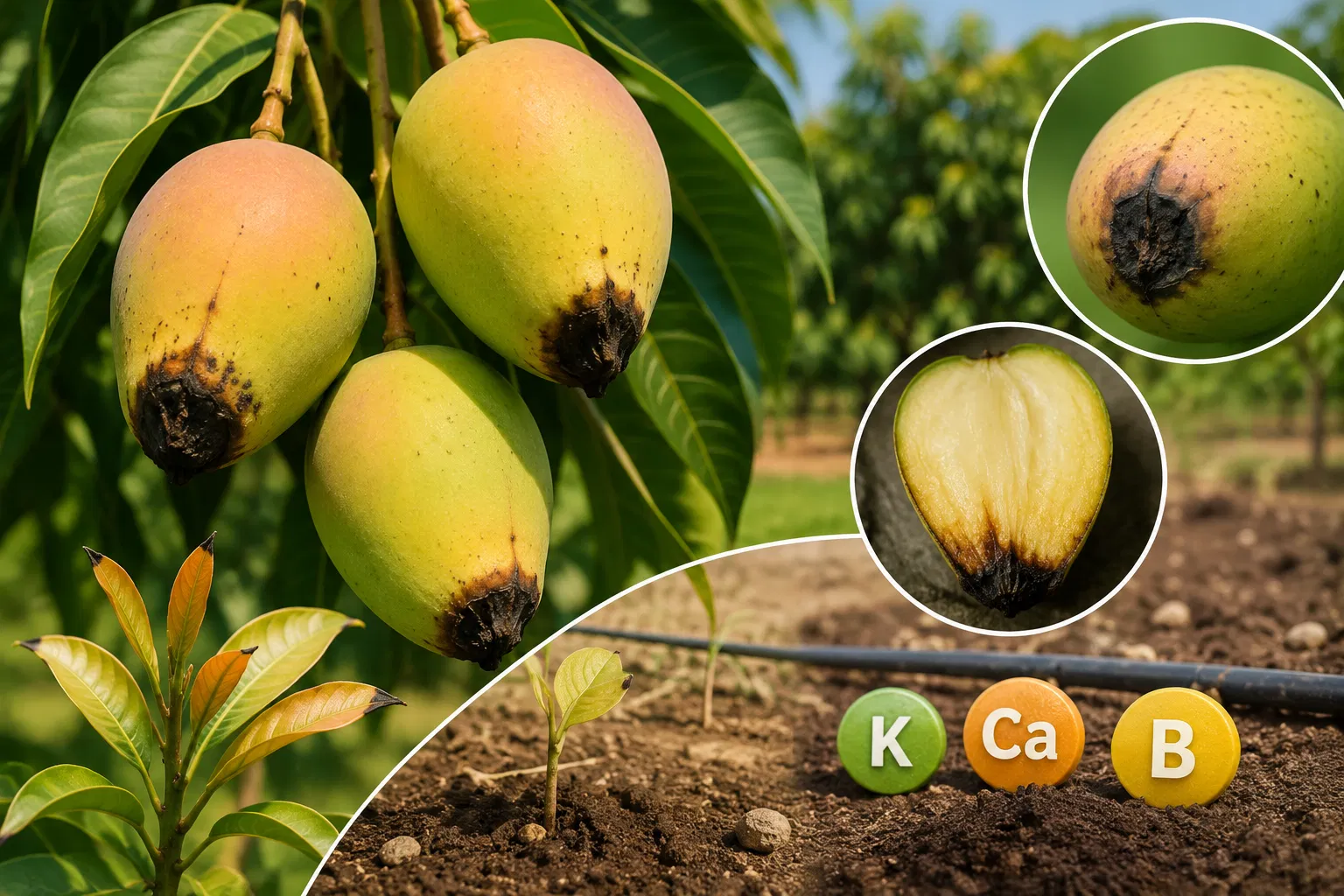
Mango black tip disorder is a physiological condition that affects the fruit, usually appearing near the blossom end. The tip of the mango turns dark brown or black, becomes rough or leathery, and may stop developing properly. In severe cases, the disorder reduces fruit quality, market value, and overall harvest success.
Although it looks like a disease, black tip is usually not caused by a fungus or pest. Instead, it is often linked to environmental stress, pollution, and nutrient imbalance.
Common Causes of Mango Black Tip
Several factors can contribute to black tip disorder in mangoes, but one of the most important is exposure to polluted air. Understanding the root causes is the first step toward prevention.
1. Air Pollution and Toxic Fumes
One of the main causes of mango black tip disorder is air pollution, especially exposure to sulfur dioxide, ethylene, and other industrial gases. Mango trees grown near brick kilns, factories, or heavy traffic are more likely to develop this problem.
These pollutants interfere with normal fruit development and often damage the tissue at the tip of the mango first.
2. Nutrient Deficiencies
Imbalanced nutrition can worsen the condition. A lack of key nutrients such as calcium, boron, or potassium may make fruit more vulnerable to physiological disorders. Trees that are overfertilized with nitrogen but lack balanced micronutrients may produce weak, poorly formed fruit.
3. Environmental Stress
Extreme weather conditions can also play a role. High temperatures, dry winds, poor irrigation, and sudden fluctuations in weather may stress the tree and affect fruit development. When mango trees are under stress, the fruit is more likely to show black tip symptoms.
4. Poor Orchard Management
Improper pruning, overcrowding, inadequate watering, and weak soil health can all contribute indirectly to the disorder. A stressed tree is less able to support healthy fruit growth, especially during flowering and fruit set.
Black tip disorder is often a warning sign that the tree or its growing environment is under stress.
Symptoms of Mango Black Tip Disorder
The symptoms are usually easy to spot once the fruit begins to mature. Early detection can help you manage the issue before it spreads throughout the orchard.
- Dark brown or black discoloration at the blossom end of the fruit
- Rough, hardened, or corky texture on the affected tip
- Stunted fruit development
- Uneven ripening
- Reduced fruit quality and poor market appearance
In some cases, the blackened area may expand as the fruit grows, making the mango unsuitable for sale or consumption quality standards.
How to Prevent Mango Black Tip Disorder
While black tip disorder can be challenging, it is often preventable with good orchard practices and environmental management. The goal is to reduce stress on the tree and improve growing conditions.
1. Avoid Planting Near Pollution Sources
If possible, do not establish mango orchards near brick kilns, industrial smoke, or major roadways. Pollution is a major trigger, and distance from these sources can significantly reduce risk.
2. Maintain Balanced Fertilization
Use a soil test to guide fertilizer application. A balanced feeding program helps prevent deficiencies and supports fruit development. Focus on proper levels of:
- Calcium
- Boron
- Potassium
- Magnesium
- Micronutrients
Avoid overusing nitrogen, as it can push excessive leafy growth at the expense of fruit quality.
3. Improve Irrigation Practices
Water stress is a major factor in fruit disorders. Provide consistent irrigation, especially during flowering and fruit development. Avoid both under-watering and over-watering, since extreme moisture swings can harm root function and fruit formation.
4. Prune for Better Airflow and Light
Proper pruning helps trees get better sunlight and airflow, which reduces stress and supports healthier fruit growth. Remove dead, crowded, or poorly placed branches to improve overall canopy structure.
5. Use Soil Health Practices
Healthy soil supports healthy trees. Add organic matter, mulch appropriately, and maintain good drainage. Strong root systems help mango trees tolerate environmental pressures more effectively.
6. Select Suitable Varieties and Locations
Where possible, choose mango varieties that perform well in your local climate. Plant trees in areas with good sunlight, minimal pollution, and adequate wind protection. Site selection can make a major difference in reducing black tip risk.
Management Tips for Affected Trees
If mango black tip disorder is already present in your orchard, immediate management can help reduce further damage. Although severely affected fruit may not recover, you can still protect future crops.
- Identify and remove heavily damaged fruit if necessary.
- Review nearby pollution sources and environmental stress factors.
- Test soil and correct nutrient imbalances.
- Adjust irrigation scheduling to keep trees under steady moisture.
- Consult local agricultural experts for region-specific recommendations.
Why Early Prevention Matters
Once mango black tip appears, the affected fruit often loses commercial value. Prevention is far more effective than treatment. By improving orchard conditions, managing pollution exposure, and keeping trees well nourished, growers can protect fruit quality and improve yield consistency.
Healthy mango production depends on more than just good varieties. It also requires the right environment, balanced nutrition, and careful orchard management. When these elements are in place, the risk of black tip disorder drops dramatically.
Conclusion
Mango black tip disorder is a serious but manageable problem. The most common causes include air pollution, nutrient deficiencies, environmental stress, and poor orchard care. The best prevention strategy is to create stable growing conditions, keep trees well fed and watered, and avoid polluted sites whenever possible.
By staying proactive, growers can reduce fruit damage and produce cleaner, more marketable mangoes. If black tip has become a recurring issue in your orchard, now is the time to review your management practices and make the changes that protect next season's crop.