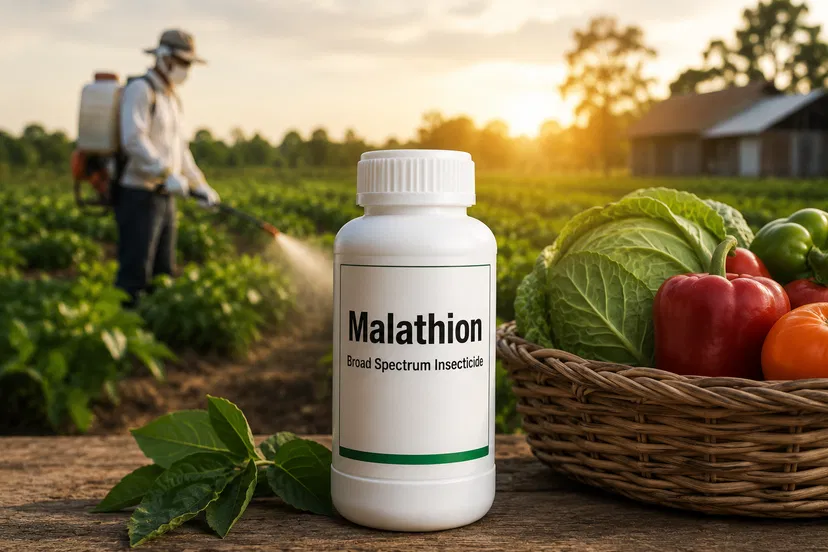
When field pests start chewing through crops, timing and dosage can make all the difference. Lambda cyhalothrin is a fast-acting pyrethroid insecticide widely used to control many common field pests, but applying the right rate is essential for effective results, crop safety, and resistance management. Whether you are targeting caterpillars, beetles, aphids, or stink bugs, knowing the correct lambda cyhalothrin dosage for common field pests helps you spray smarter and protect yield.
What Is Lambda Cyhalothrin?
Lambda cyhalothrin is a broad-spectrum synthetic pyrethroid insecticide used in many field crops to control chewing and sucking insects. It works by affecting the pest’s nervous system, leading to quick knockdown and mortality. Farmers often rely on it for rapid suppression of infestations in crops such as corn, cotton, soybeans, wheat, sorghum, and vegetables.
Because pest pressure, crop type, and product formulation can vary, there is no single universal dose. The correct rate depends on the label, target pest, crop stage, and local regulations.
Why Correct Dosage Matters
Using the right lambda cyhalothrin dosage is critical for three main reasons:
- Effective pest control: Too little product may not control the infestation.
- Crop safety: Overapplication can increase the risk of plant stress or residue issues.
- Resistance management: Repeated misuse can speed up insect resistance development.
Always follow the product label exactly. Labels are the legal standard for use, and they provide crop-specific and pest-specific directions.
Common Field Pests Controlled by Lambda Cyhalothrin
Lambda cyhalothrin is commonly used against a wide range of field pests, including:
- Caterpillars: armyworms, bollworms, cutworms, earworms, loopers
- Beetles: flea beetles, leaf beetles, cucumber beetles
- Bug pests: stink bugs, plant bugs, chinch bugs
- Sucking insects: aphids, leafhoppers, thrips
- Other pests: grasshoppers, mites in some situations, and certain seedling pests
The product may perform differently depending on pest size and feeding behavior. Younger larvae and early infestations are usually easier to control than heavy, mature populations.
Lambda Cyhalothrin Dosage for Common Field Pests
Important: The exact dosage depends on the formulation and crop label. Typical field-use rates for lambda cyhalothrin are often measured in fluid ounces or milliliters per acre, or by active ingredient concentration. Below are general reference ranges commonly seen on labels, but you must verify the specific product instructions before use.
Typical Application Rate Range
- Low to moderate pest pressure: 1.6 to 2.5 fl oz per acre for many formulations
- Moderate to high pest pressure: 2.5 to 3.84 fl oz per acre for some labeled products
- Spot treatments or lower-volume applications: Use label-specific directions only
Some formulations contain different amounts of active ingredient, so two products with the same name may have different application rates. Always read the label to match the dose to the formulation.
Example Pest-by-Pest Considerations
- Armyworms: Best controlled when larvae are small; a timely label rate can prevent severe defoliation.
- Cutworms: Target young larvae and ensure good coverage near the soil surface.
- Bollworms and earworms: Apply at early egg hatch or when small larvae are first detected.
- Stink bugs: May require careful scouting and threshold-based treatment; coverage is important.
- Aphids and leafhoppers: Check whether the product label specifically includes these pests in your crop.
Best results usually come from treating early, not after pests have already caused significant damage.
How to Calculate the Right Dose
To determine the correct amount of lambda cyhalothrin for your field, follow these steps:
- Identify the crop: Make sure the product is labeled for that crop.
- Confirm the pest: Check that your target pest is listed.
- Read the formulation: Rates differ for liquid, capsule suspension, and other product types.
- Check the application method: Ground spray, aerial spray, and irrigation-compatible uses may have different directions.
- Use the label rate: Apply within the labeled range based on pest pressure and crop stage.
- Measure carefully: Use calibrated equipment for accurate delivery.
If the label provides a range, choose the lower end for light pressure and the higher end for heavier infestations, but never exceed the maximum labeled rate.
Timing Tips for Better Pest Control
Timing often matters as much as dosage. Lambda cyhalothrin works best when pests are actively feeding and populations are still manageable.
- Scout fields regularly: Early detection improves control.
- Treat at threshold: Spray when pest counts justify action.
- Target young larvae: Small caterpillars are easier to suppress.
- Avoid spraying in extreme heat or wind: This can reduce coverage and increase drift.
- Check rainfastness: Give the spray enough time to dry before rainfall, if the label specifies.
Application Best Practices
Good application technique helps lambda cyhalothrin perform better and last longer in the field.
- Use proper nozzle selection: Choose nozzles that provide thorough coverage without excessive drift.
- Maintain calibration: Spray equipment should deliver the intended rate across the field.
- Cover the target zone: For leaf-feeding pests, ensure spray reaches the plant canopy; for soil pests, place the spray where pests are active.
- Avoid tank mix mistakes: Only mix products that are compatible and allowed by the label.
- Rotate insecticide classes: Do not rely on pyrethroids alone throughout the season.
Resistance Management Considerations
Lambda cyhalothrin belongs to the pyrethroid class, and repeated use can lead to reduced sensitivity in some pest populations. To slow resistance:
- Rotate with insecticides from different modes of action.
- Use the lowest effective labeled rate for the situation.
- Treat only when scouting shows the need.
- Avoid repeated back-to-back applications of the same class.
Resistance management protects both current results and long-term crop protection strategies.
Safety and Label Compliance
Before applying lambda cyhalothrin, review all safety requirements on the label. That includes personal protective equipment, reentry intervals, pre-harvest intervals, and environmental precautions.
Keep these points in mind:
- Wear protective gear: Gloves, long sleeves, eye protection, and other required equipment.
- Protect pollinators: Avoid spraying when bees are actively foraging and follow pollinator restrictions.
- Prevent runoff: Do not allow spray to contaminate water sources.
- Follow harvest timing: Respect the pre-harvest interval for the crop.
Final Takeaway
The best lambda cyhalothrin dosage for common field pests is always the one listed on the product label for your crop, pest, and application method. Use careful scouting, apply at the right growth stage, and calibrate equipment for accurate delivery. When used correctly, lambda cyhalothrin can be a valuable tool for fast pest suppression and crop protection.
Before your next spray, read the label, confirm the target pest, and apply only the recommended rate. That simple step can improve control, protect yields, and support better resistance management all season long.