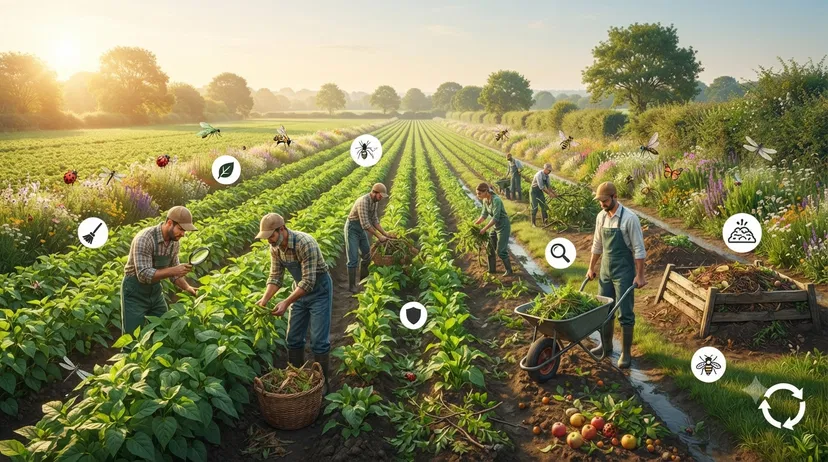
Rice growers know the pressure pests can bring. One season of unchecked damage from stem borers, leaf folders, planthoppers, or rats can quickly reduce tillers, weaken plants, and cut yield. The good news is that pest control does not have to depend on heavy pesticide use. Integrated Pest Management (IPM) in paddy offers a smarter, more sustainable way to protect crops while keeping costs, ecosystems, and long-term soil health in balance.
IPM in paddy combines monitoring, prevention, biological control, cultural practices, and targeted chemical use only when necessary. Instead of reacting to every pest sighting, farmers make informed decisions based on field conditions. This approach helps maintain healthy rice crops while reducing resistance, preserving beneficial insects, and lowering production risks.
What Is IPM in Paddy?
Integrated Pest Management in paddy is a practical crop protection strategy that focuses on managing pests below economic damage levels rather than eliminating every insect in the field. It uses a combination of methods to reduce pest pressure sustainably.
In rice fields, IPM is especially valuable because paddy ecosystems are home to both harmful pests and helpful natural enemies. When managed correctly, these natural predators can keep pest populations under control and reduce the need for repeated pesticide sprays.
Why IPM Matters in Rice Farming
Paddy fields are highly productive, but they are also vulnerable to a wide range of pests and diseases. Relying only on chemical pesticides can create several problems:
- Pest resistance to insecticides
- Destruction of beneficial insects and spiders
- Higher input costs
- Residual chemical contamination
- Environmental and health risks
IPM helps farmers avoid these issues by promoting prevention and precision. It supports healthier crops, stable yields, and more efficient pest control over time.
Common Pests in Paddy Fields
Effective paddy pest management starts with knowing the major threats. Some of the most common rice pests include:
1. Stem Borers
Stem borers attack rice stems and cause “dead hearts” in vegetative stages and “white heads” during the reproductive stage. Severe infestations can reduce grain formation and yield significantly.
2. Leaf Folders
Leaf folders fold and feed on rice leaves, reducing the plant’s photosynthetic ability. While light damage may not always require intervention, heavy infestations can weaken plant growth.
3. Brown Planthopper
The brown planthopper is one of the most damaging rice pests. It sucks sap from plants, causes hopper burn, and can spread disease. Overuse of pesticides often worsens this pest by killing its natural enemies.
4. Gall Midge
Gall midge damage leads to the formation of silver shoots instead of productive tillers. It is especially important to monitor in early crop stages.
5. Rice Caseworm
Caseworms feed on rice leaves and can cause severe defoliation in young crops. Their presence is often linked to stagnant water and dense plant canopy.
6. Rats and Birds
Although often overlooked in insect-focused management plans, rats and birds can also cause major losses, especially near harvest.
Core Principles of IPM in Paddy
Successful IPM in rice farming is built on a few key principles that work together across the season.
1. Prevention First
Healthy plants are more resilient. Using quality seed, balanced nutrients, proper spacing, and timely transplanting can reduce pest buildup from the start.
2. Regular Monitoring
Field scouting is the backbone of IPM. Farmers should inspect plants regularly to identify pests early, track natural enemies, and determine whether control measures are needed.
3. Economic Thresholds
Not every pest presence means action is required. IPM uses economic thresholds to decide when pest numbers are high enough to justify intervention.
4. Use Natural Controls
Predators, parasitoids, and microbial agents can reduce pest populations naturally. Protecting these allies is central to sustainable rice pest management.
5. Apply Chemicals Wisely
When pesticides are necessary, choose selective products and apply them correctly. Avoid broad-spectrum sprays that harm beneficial organisms and increase resistance risk.
Practical IPM Strategies for Paddy
Farmers can use several practical methods to manage pests sustainably in rice fields.
Cultural Practices
- Use certified or healthy seed
- Practice timely sowing and transplanting
- Avoid excessive nitrogen fertilizer
- Maintain proper spacing between plants
- Remove weeds and volunteer rice plants
- Synchronize planting in nearby fields when possible
These practices help disrupt pest life cycles and reduce habitats where pests thrive.
Mechanical and Physical Control
- Handpick and destroy egg masses where feasible
- Use light traps to monitor and reduce flying insects
- Install rat traps or use community-based rat control
- Use bird perches or reflective methods to discourage bird damage
Biological Control
Biological control is one of the most important parts of sustainable pest management in paddy. Helpful organisms include:
- Spiders that prey on planthoppers and leafhoppers
- Parasitoid wasps that attack pest eggs or larvae
- Microbial pesticides such as Bacillus thuringiensis for caterpillar pests
- Fungal and viral bioagents where locally available and recommended
Protecting these natural enemies reduces pest outbreaks and supports long-term field balance.
Safe and Targeted Chemical Use
When pest pressure crosses the threshold, carefully selected pesticides may be necessary. Use them as a last resort and follow label recommendations strictly.
- Choose pest-specific products
- Rotate modes of action to delay resistance
- Apply only in affected areas when possible
- Avoid unnecessary repeat sprays
- Respect pre-harvest intervals and safety guidelines
Good IPM is not “no pesticide.” It is “right action, right time, right method.”
How to Monitor Pests in Paddy
Scouting should be regular and systematic. A simple monitoring routine can help farmers make better decisions.
- Walk through the field in a zigzag pattern.
- Inspect leaves, stems, tillers, and water lines.
- Look for pest symptoms and natural enemies.
- Count pest numbers on selected hills or plants.
- Compare findings with local threshold guidelines.
- Record observations to track changes over time.
Monitoring becomes especially important during early growth, tillering, and flowering stages, when pest damage can directly affect yield formation.
Benefits of IPM in Paddy
Farmers who adopt IPM in rice cultivation often see multiple benefits beyond pest reduction.
- Lower pesticide costs
- Better crop health and vigor
- Improved protection of beneficial insects
- Reduced risk of pesticide resistance
- Cleaner food production
- More stable yields over time
- Better environmental sustainability
These advantages make IPM a practical investment, not just a crop protection method.
Common Mistakes to Avoid
Even well-intentioned farmers can weaken IPM by making a few common mistakes.
- Spraying pesticides before scouting
- Using too much nitrogen fertilizer
- Ignoring natural enemies in the field
- Applying broad-spectrum chemicals repeatedly
- Failing to monitor after treatment
- Neglecting rat and bird management near harvest
A disciplined, observation-based approach prevents these mistakes and keeps the IPM system effective.
Conclusion
IPM in paddy is the future of sustainable rice pest management. By combining prevention, monitoring, biological control, and selective intervention, farmers can reduce losses without harming the environment or their long-term profitability. The goal is not just to fight pests, but to build a resilient rice field where pests stay under control naturally.
For better yields and healthier crops, start with field scouting, strengthen cultural practices, and treat pesticides as a precise tool rather than a routine habit. Smart pest management begins with observation and ends with sustainability.