Fertilizer quality can make the difference between a healthy, high-yield crop and a disappointing season. Among the most commonly used fertilizers, DAP fertilizer is especially important because it supplies phosphorus and nitrogen in a concentrated form. But with rising demand, fake DAP fertilizer has become a serious problem for farmers and distributors. Knowing how to identify genuine DAP fertilizer is essential if you want to protect your crops, your investment, and your soil.
In this guide, you’ll learn the most practical ways to check DAP fertilizer quality, recognize warning signs of counterfeit product, and make safer purchasing decisions.
What Is DAP Fertilizer?
DAP stands for Diammonium Phosphate, a widely used fertilizer that typically contains 18% nitrogen and 46% phosphorus. It is valued for promoting root development, early plant growth, and strong crop establishment. Farmers use it before planting or during early crop stages to improve soil fertility and nutrient availability.
Because DAP is so widely used, it is often targeted by counterfeiters who sell low-quality or adulterated products that look similar to the real thing. That is why checking authenticity matters so much.
Why Fake DAP Fertilizer Is a Problem
Fake fertilizer may contain little or no useful nutrients. In some cases, it may include sand, clay, industrial waste, or other fillers. These products can damage crops, reduce yields, and waste valuable money.
- It lowers crop productivity.
- It wastes fertilizer application costs.
- It may harm soil health over time.
- It can lead to nutrient deficiency in plants.
- It reduces farmer confidence in fertilizer programs.
For these reasons, learning how to identify genuine DAP fertilizer is a smart and necessary step for every farmer.
Check the Packaging Carefully
One of the easiest ways to spot fake fertilizer is by examining the bag or package. Genuine DAP fertilizer usually comes in properly printed bags with clear product information, brand details, batch numbers, and manufacturer identification.
Look for these packaging details:
- Clear and professional printing
- Proper spelling of the brand and product name
- Manufacturer name and address
- Batch number or lot number
- Net weight and nutrient composition
- Sealed packaging without tampering
If the bag looks poorly printed, has spelling errors, or appears reused, it is a major warning sign.
Inspect the Fertilizer Appearance
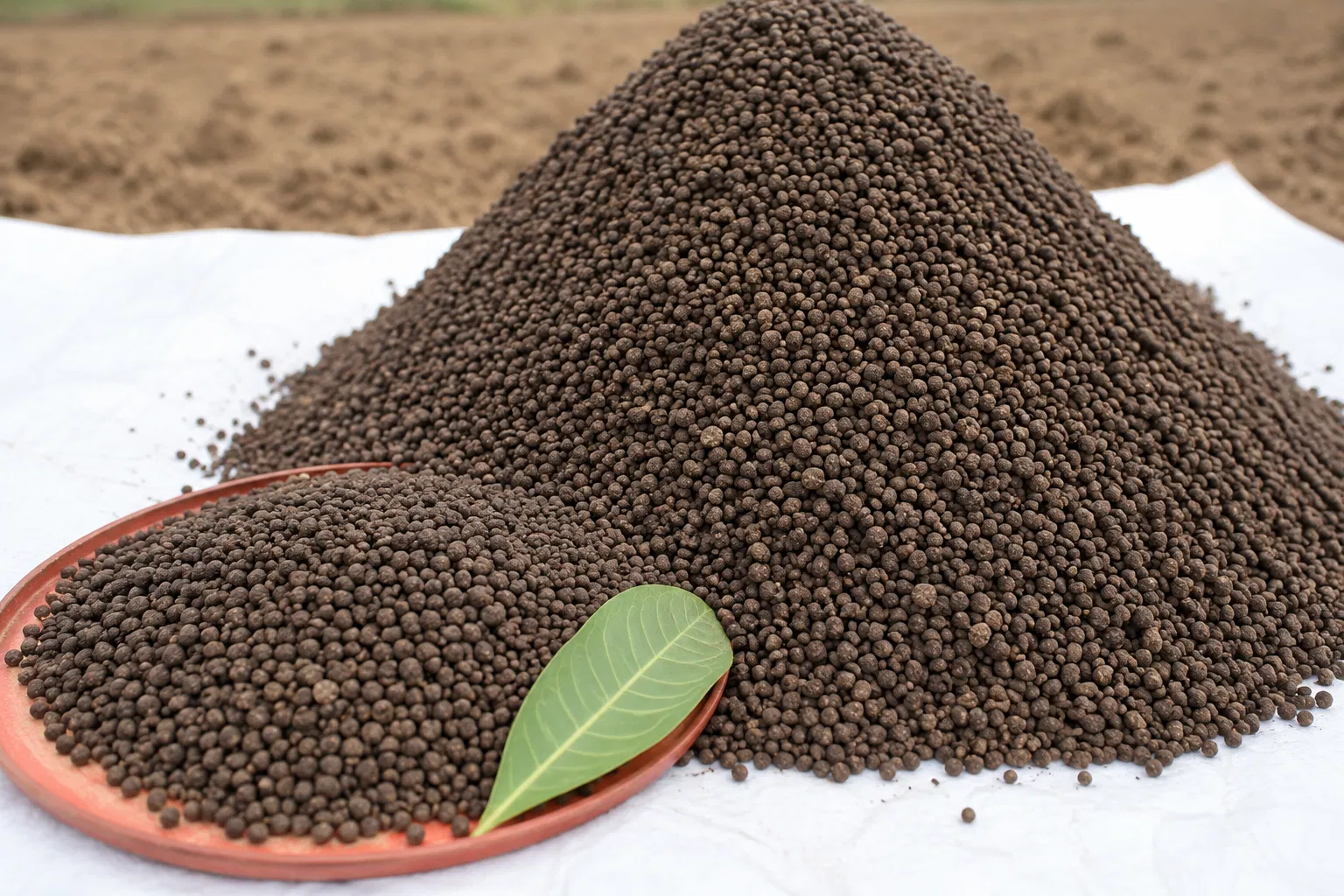
Genuine DAP fertilizer usually comes in uniform granules that are hard, smooth, and consistent in color. The granules are often off-white to light gray. They should not contain excessive dust, chunks, or unusual particles.
When you open the bag, pay attention to the texture and appearance:
- Granules should be mostly uniform in size
- There should be minimal dust or powder
- No visible stones, soil, or foreign matter should be present
- The product should not look damp or clumped
Fake DAP fertilizer often looks uneven, dusty, or mixed with impurities. If the product feels suspicious, do not apply it blindly.
Use the Water Test for a Quick Check
A simple water test can help you spot obvious fakes. Place a few DAP granules in a glass of water and observe how they behave. Genuine DAP generally dissolves steadily, though not instantly, and leaves less residue than fake products filled with insoluble material.
If the material sinks oddly, leaves heavy residue, or does not behave like fertilizer granules, it may be adulterated. While this test is not a full lab analysis, it is useful for basic screening.
Tip: A water test can reveal obvious contamination, but it should be used alongside packaging checks, trusted suppliers, and professional testing when needed.
Smell and Feel Matter Too
Genuine DAP fertilizer often has a mild ammonia-like smell, especially when opened. It should feel dry and firm, not soft, greasy, or moist. If the fertilizer smells strange, chemical-heavy in an unusual way, or completely odorless in a suspicious context, it may not be genuine.
Also, avoid fertilizer that feels sticky or has absorbed moisture. Moisture can cause caking and may also indicate poor storage or product degradation.
Buy Only from Trusted Suppliers
One of the best ways to avoid fake fertilizer is to purchase from reliable, authorized dealers. Trusted suppliers usually source products directly from recognized manufacturers or approved distributors. They can also provide invoices, product guarantees, and batch details.
Choose suppliers who:
- Have a known business reputation
- Provide proper receipts and product documentation
- Store fertilizer in clean, dry conditions
- Can explain product origin and authenticity
- Offer consistent service and customer support
Saving a small amount by buying from an unknown seller can cost much more if the fertilizer turns out to be fake.
Verify Certification and Labels
Authentic DAP fertilizer often carries certification marks, quality seals, or regulatory approvals depending on your country’s fertilizer standards. These labels may not guarantee perfection, but they are an important layer of protection.
Check whether the label includes:
- Guaranteed nutrient analysis
- Registration or approval number
- Manufacturer information
- Usage instructions
- Safety warnings and storage guidance
If the label is vague, incomplete, or suspiciously generic, be cautious.
Compare Price with Market Value
Extremely low prices are often a red flag. Fake fertilizer sellers commonly attract buyers by offering prices far below the market average. Genuine DAP fertilizer has production and distribution costs, so the price should be reasonably aligned with current market rates.
If a deal looks too good to be true, it probably deserves extra scrutiny. Always compare prices across multiple trusted sources before buying in bulk.
Test Small Before Buying Large
If you are unsure about a new supplier or brand, buy a small quantity first and test it on a limited area. Watch how your crop responds over time. Genuine DAP fertilizer should support healthy early growth when used correctly.
This approach helps you avoid putting an entire field at risk. It also gives you time to compare performance against a product you already trust.
Watch for Common Signs of Fake Fertilizer
Fake DAP fertilizer may show several warning signs. Knowing these signs can help you make faster, safer decisions.
- Inconsistent granule size and color
- Excessive dust or debris in the bag
- Poorly printed or damaged packaging
- Suspiciously low price
- No batch number or manufacturer details
- Clumping caused by moisture or poor storage
- Unusual residue during a water test
If you notice several of these signs together, avoid using the product until you can verify it further.
Store DAP Fertilizer Properly After Purchase
Even genuine DAP fertilizer can lose quality if stored badly. Keep it in a cool, dry place away from rain, humidity, and direct sunlight. Store bags on pallets, not directly on the floor, to reduce moisture exposure.
Good storage helps preserve product quality and prevents caking, contamination, and nutrient loss. It also makes future inspection easier.
Final Thoughts
Learning how to identify genuine DAP fertilizer is one of the smartest habits a farmer can develop. By checking packaging, inspecting granules, buying from trusted suppliers, and watching for warning signs, you can greatly reduce the risk of fake fertilizer.
Protecting your crops starts with protecting your inputs. Choose carefully, verify before you buy, and never compromise on fertilizer quality. A little caution today can lead to stronger plants, better yields, and greater profit at harvest time.