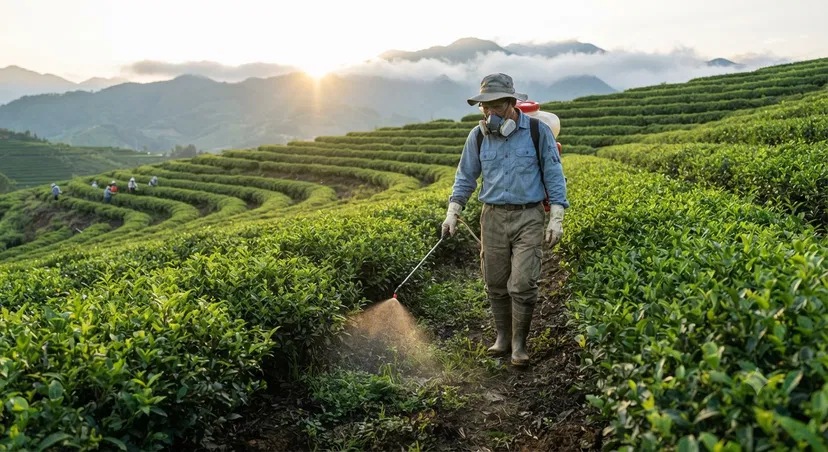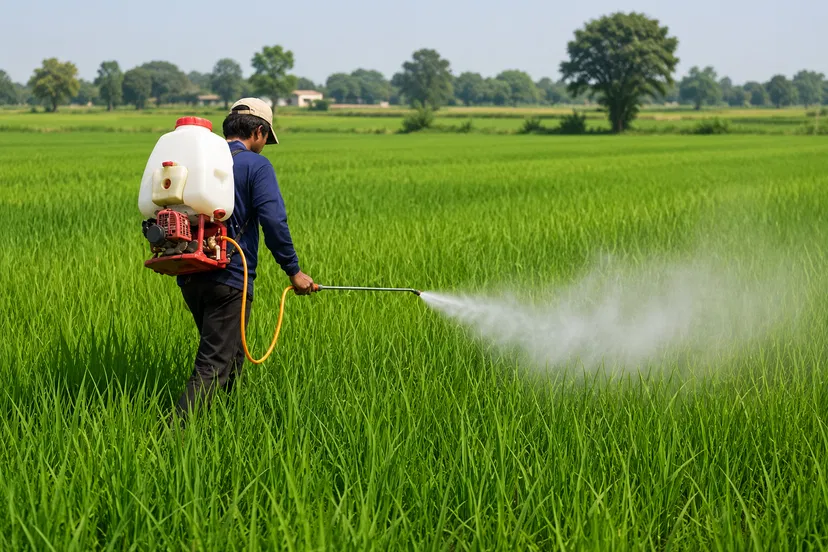
Spray timing can make or break your results. Even the best crop protection product, applied with the right equipment, can underperform if weather conditions are unfavorable. That is why effective spray planning begins with checking the weather forecast. Understanding how to use weather forecasts for spray planning helps reduce drift, improve coverage, protect crops, and maximize the return on every application.
Weather is more than just rain. Wind speed, wind direction, temperature, humidity, and temperature inversions all influence how spray droplets behave after leaving the nozzle. A reliable forecast helps farmers select the best spray window, adjust application techniques, and avoid costly mistakes.
Why Weather Forecasts Matter for Spray Planning
Spraying during unsuitable weather conditions can lead to drift, evaporation, runoff, poor coverage, and reduced product performance. This often results in ineffective pest and disease control, wasted inputs, and possible damage to neighboring crops or sensitive areas.
Using weather forecasts for spray planning helps farmers:
- Reduce spray drift.
- Improve application efficiency.
- Increase product performance.
- Protect neighboring fields and water bodies.
- Reduce the need for repeat applications.
Weather forecasting is therefore an essential part of responsible and profitable crop protection.
The Weather Factors That Matter Most
Not every forecast parameter has the same importance. The following weather conditions have the greatest influence on spray quality and effectiveness.
1. Wind Speed
Wind is one of the primary causes of spray drift. Strong winds can carry droplets away from the target, while completely calm conditions may indicate a temperature inversion that also increases drift risk.
Choose a spray window with steady, moderate wind rather than gusty conditions.
2. Wind Direction
Wind direction determines where spray droplets may travel. This is particularly important when fields are located near orchards, neighboring crops, water bodies, livestock, residential areas, or pollinator habitats.
Always compare forecast wind direction with field boundaries before spraying.
3. Temperature
High temperatures increase evaporation, especially for fine droplets. Heat-stressed crops may also absorb products differently, reducing overall performance.
During hot weather, spraying during cooler morning or evening hours may provide better results if other conditions remain suitable.
4. Relative Humidity
Humidity affects droplet evaporation. Low humidity causes droplets to shrink more quickly, increasing drift potential and reducing coverage.
Moderate humidity generally improves droplet retention and target coverage.
5. Rain Forecast
Rain shortly after spraying can wash products from plant surfaces before they are absorbed. Always review both the probability of rainfall and the expected timing.
Many fungicides, herbicides, and insecticides require a rain-free period for maximum effectiveness. Always follow product label recommendations.
6. Temperature Inversions
Temperature inversions occur when cool air remains trapped beneath warmer air. Under these conditions, spray droplets may remain suspended and travel long distances once air movement begins.
Calm winds, clear skies, and stable early morning or evening conditions often indicate inversion risk.
Key rule: The best spray day is not necessarily the sunniest day—it is the day when wind, temperature, humidity, and rainfall all match the product's application requirements.
How to Read a Weather Forecast for Spray Planning
Hourly forecasts provide far more useful information than daily summaries.
- Identify the spray window. Look for several consecutive hours of stable conditions.
- Review wind speed and direction. Confirm spray drift risks remain low.
- Check temperature trends. Avoid extreme heat or rapidly changing temperatures.
- Review humidity. Consider droplet size adjustments if humidity is low.
- Check rainfall timing. Ensure sufficient rain-free time after application.
- Recheck the forecast before spraying. Weather conditions may change quickly.
Hourly forecasts often reveal safe morning spray windows followed by windy afternoons or approaching storms.
Best Practices for Spray Planning with Weather Forecasts
Match the Forecast to the Product Label
Always follow the product label. Labels specify wind limits, rainfall restrictions, buffer zones, and temperature guidance that should never be ignored.
Choose the Right Time of Day
Morning or evening often offers more favorable spray conditions than midday. However, always consider inversion risk, dew formation, and changing wind conditions before making a decision.
Adjust Nozzle Selection and Droplet Size
Weather conditions should influence nozzle selection and droplet size. Larger droplets help reduce drift when wind is stronger, while appropriate nozzle selection improves overall spray coverage.
Protect Sensitive Areas
Extra care is needed when spraying near orchards, vegetable crops, water bodies, residential areas, or pollinator habitats. Even small changes in wind direction can affect off-target movement.
Recheck Before Spraying
Always verify weather conditions immediately before filling the sprayer. If conditions become unsuitable, postpone the application.
Common Mistakes to Avoid
- Using only the daily forecast instead of hourly data.
- Ignoring wind direction.
- Spraying immediately before rainfall.
- Overlooking low humidity.
- Assuming calm conditions are always safe.
- Failing to adjust equipment settings.
- Skipping a final weather check before spraying.
Simple Spray Planning Checklist
- Review hourly weather forecasts.
- Confirm wind speed and direction.
- Check temperature and humidity.
- Assess inversion risk.
- Verify rain-free interval requirements.
- Match conditions with product label recommendations.
- Inspect sensitive field boundaries.
- Adjust nozzle selection if necessary.
- Confirm conditions immediately before spraying.
Building Better Spray Decisions
Regular use of weather forecasts improves spray timing and application quality. Over time, farmers become more familiar with local weather patterns, allowing more accurate and confident decisions.
Combining reliable forecasts with proper equipment calibration and good crop protection practices leads to better spray performance, reduced input waste, and healthier crops.
Conclusion
Weather forecasts are among the most valuable tools for successful spray planning. Understanding wind, humidity, rainfall, temperature, and inversion conditions helps farmers select the safest and most effective spray window.
Before every spray application, compare forecast conditions with product label recommendations. Careful planning improves application efficiency, minimizes drift, protects neighboring areas, and delivers better crop protection results.