If you want stronger roots, healthier soil, and better protection against fungal diseases, Trichoderma application is one of the most practical biological solutions available. This beneficial fungus works as a natural root protector and soil enhancer, helping crops establish faster and resist harmful pathogens. The key is not just using Trichoderma, but using it correctly through the right application method.
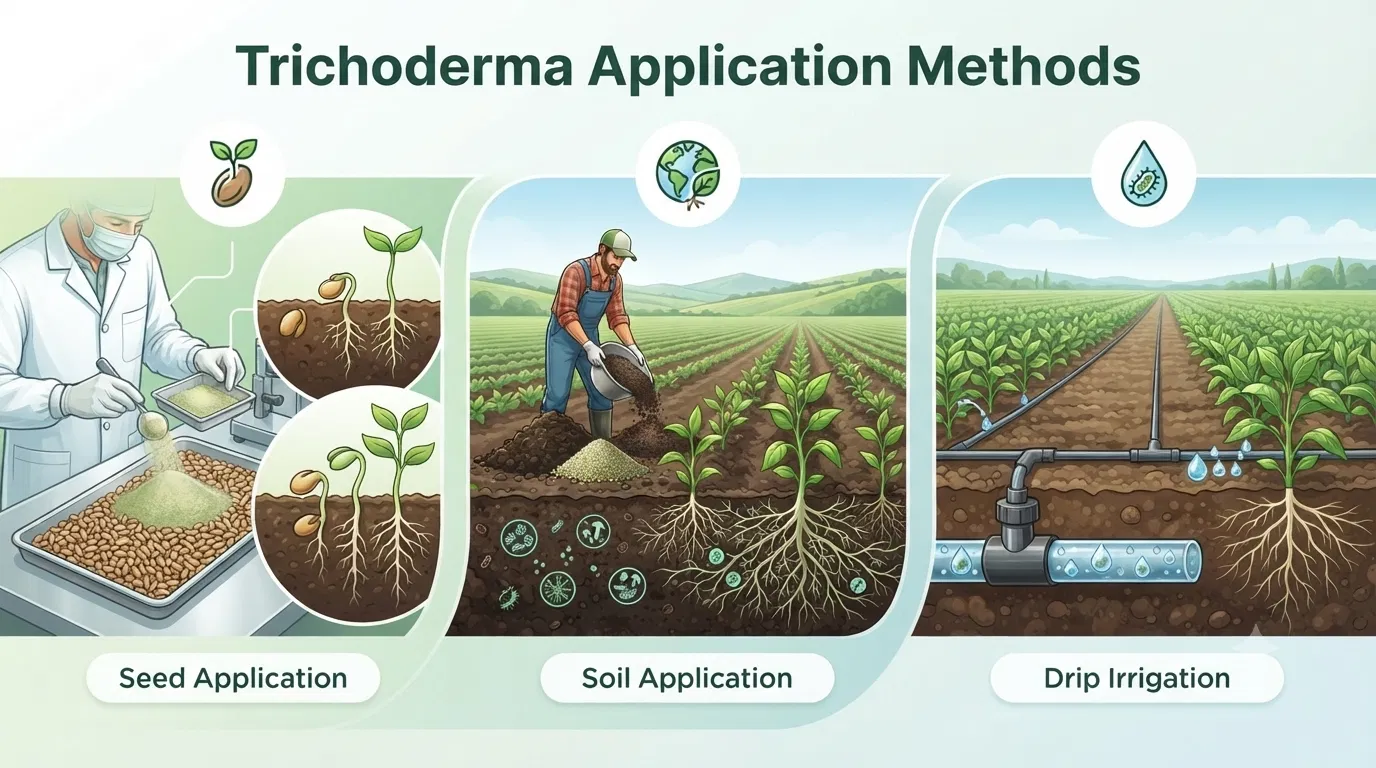
In this guide, you will learn how to apply Trichoderma through seed treatment, soil application, and drip irrigation, along with best practices to get the most out of every application.
What Is Trichoderma and Why Use It?
Trichoderma is a helpful fungus found in soil that attacks harmful fungi, stimulates root growth, and improves nutrient availability. Farmers and gardeners use it to support crop health in a natural and sustainable way.
- Suppresses soil-borne diseases
- Improves root development
- Enhances nutrient uptake
- Boosts plant vigor and early growth
- Supports organic and eco-friendly farming
Whether you grow vegetables, fruits, cereals, or plantation crops, the proper Trichoderma dosage and method can make a noticeable difference in plant performance.
1. Seed Treatment Method
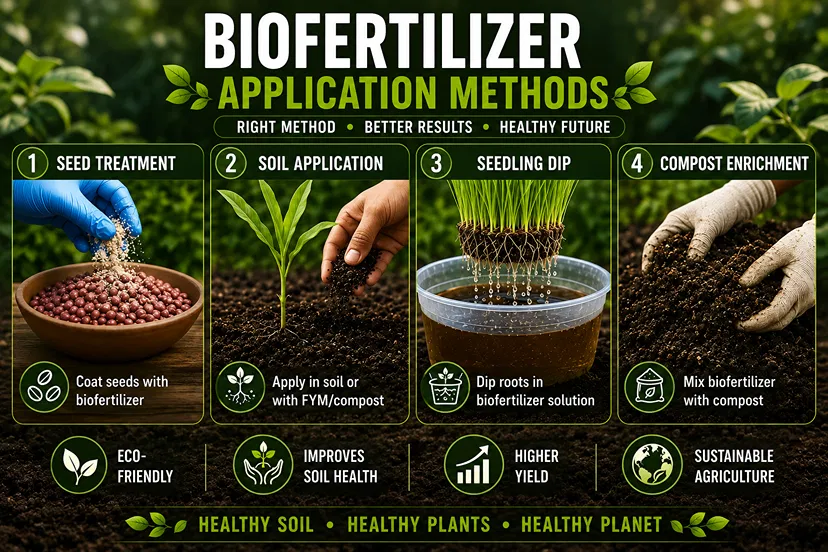
Seed treatment is one of the most common and effective ways to apply Trichoderma. It protects seeds from fungal infections at the earliest stage and helps seedlings grow in a healthier environment.
How to Apply Trichoderma on Seeds
- Take the required quantity of seeds in a clean container.
- Mix Trichoderma powder or formulation with a small amount of water to make a paste.
- Apply the paste evenly to the seeds.
- Mix gently until all seeds are coated.
- Shade dry the treated seeds for 20 to 30 minutes before sowing.
Recommended Seed Treatment Rate
In general, use 4 to 10 grams of Trichoderma per kilogram of seed, depending on crop type and product concentration. Always follow the label instructions for the specific formulation you are using.
Benefits of Seed Treatment
- Protects germinating seeds from damping-off and seed rot
- Improves germination percentage
- Promotes early root establishment
- Helps seedlings survive transplant stress
Best used for: rice, wheat, maize, pulses, vegetables, and many other field crops.
Seed treatment with Trichoderma gives crops a strong start by protecting them before disease pressure begins.
2. Soil Application Method
Soil application is ideal when you want Trichoderma to spread through the root zone and establish a long-term protective effect. This method is widely used in nurseries, open fields, orchards, and vegetable beds.
How to Apply Trichoderma in Soil
- Mix Trichoderma with well-decomposed farmyard manure, compost, or vermicompost.
- Keep the mixture in a moist, shaded place for 24 to 48 hours if recommended by the product label.
- Apply the mixture around the root zone or spread it evenly in the field.
- Irrigate lightly after application to activate the fungus.
Recommended Soil Application Rate
A commonly used dose is 2 to 5 kg Trichoderma per acre, mixed with 50 to 100 kg of compost or FYM. For garden beds or smaller plots, adjust the quantity according to area and crop requirement.
Benefits of Soil Application
- Builds a disease-suppressive soil environment
- Controls harmful fungi in the root zone
- Improves soil biology and microbial activity
- Supports long-term root health
This method is especially useful for crops affected by Fusarium, Rhizoctonia, Pythium, and other soil-borne pathogens.
Where Soil Application Works Best
- Nursery beds
- Transplanted vegetables
- Banana and fruit orchards
- Flower crops
- Field crops with recurring soil disease issues
3. Drip Irrigation Method
Drip irrigation is a highly efficient way to deliver Trichoderma directly into the root zone. This method is especially useful in orchards, greenhouse cultivation, and farms using fertigation systems.
How to Apply Trichoderma Through Drip Irrigation
- Prepare a Trichoderma suspension using clean, non-chlorinated water.
- Filter the solution properly to avoid clogging emitters.
- Inject the suspension into the drip system during irrigation.
- Run plain water first, then apply the Trichoderma solution.
- Continue irrigation for a short time afterward to move the solution into the root zone.
Important Drip Irrigation Tips
- Use only well-filtered liquid formulations or properly suspended powder
- Avoid mixing with chemical fungicides in the same tank
- Do not use chlorinated water if possible
- Apply during cooler parts of the day for better survival of beneficial microbes
Benefits of Drip Application
- Direct delivery to roots
- Even distribution across the field
- Lower labor requirement
- Ideal for repeated applications in high-value crops
For crops like tomato, chili, cucumber, banana, grapes, and papaya, drip application of Trichoderma can be a highly effective disease management tool.
Best Practices for Trichoderma Application
To get the best results, Trichoderma must be handled carefully. It is a living organism, so storage and application conditions matter.
- Store in a cool, dry, shaded place
- Use before the expiry date
- Avoid direct sunlight during application
- Do not mix with fungicides, bactericides, or chemical fertilizers unless recommended
- Apply to moist soil for better establishment
Timing is also important. Early application, especially before disease appears, usually gives the best protection.
Common Mistakes to Avoid
Many growers do not get full benefits from Trichoderma because of simple mistakes. Avoid these common errors:
- Using expired or poor-quality product
- Applying on dry soil without irrigation
- Mixing with incompatible chemicals
- Exposing treated seeds to strong sunlight for long periods
- Applying the wrong dose
Correct handling and proper application method are just as important as the product itself.
Which Method Should You Choose?
The best Trichoderma application method depends on your crop and farming system:
- Seed treatment is best for early protection and better germination.
- Soil application is best for improving the root zone and controlling soil pathogens.
- Drip irrigation is best for large farms, orchards, and precision application systems.
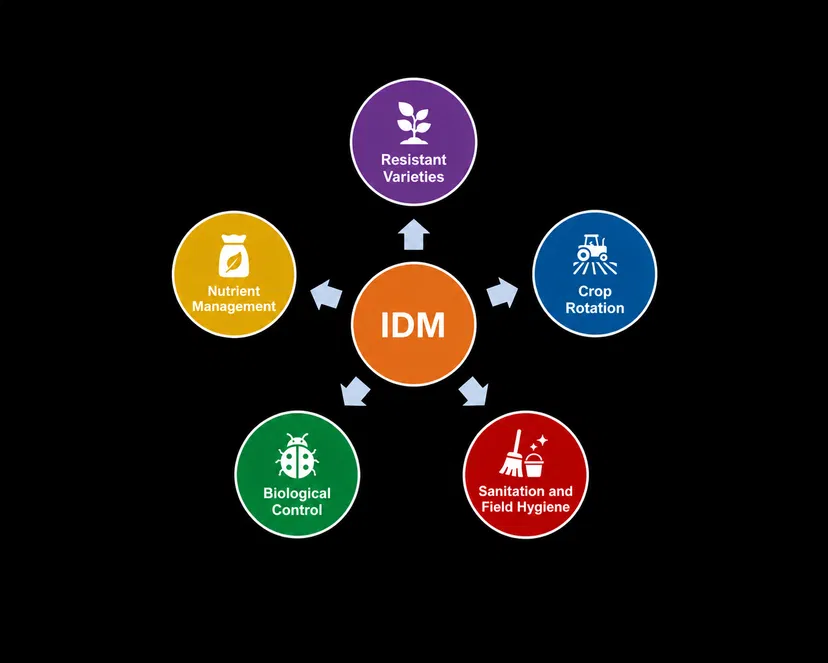
For maximum impact, many growers use all three methods together as part of an integrated crop health program.
Conclusion
Using Trichoderma the right way can strengthen roots, reduce disease pressure, and improve overall crop performance. Whether you choose seed treatment, soil application, or drip irrigation, the goal is the same: deliver the beneficial fungus where it can protect and support the plant most effectively.
Start early, apply carefully, and follow recommended doses for your crop. With consistent use, Trichoderma application can become a powerful part of your sustainable farming strategy.
Apply it right, and let your crops grow healthier from the roots up.