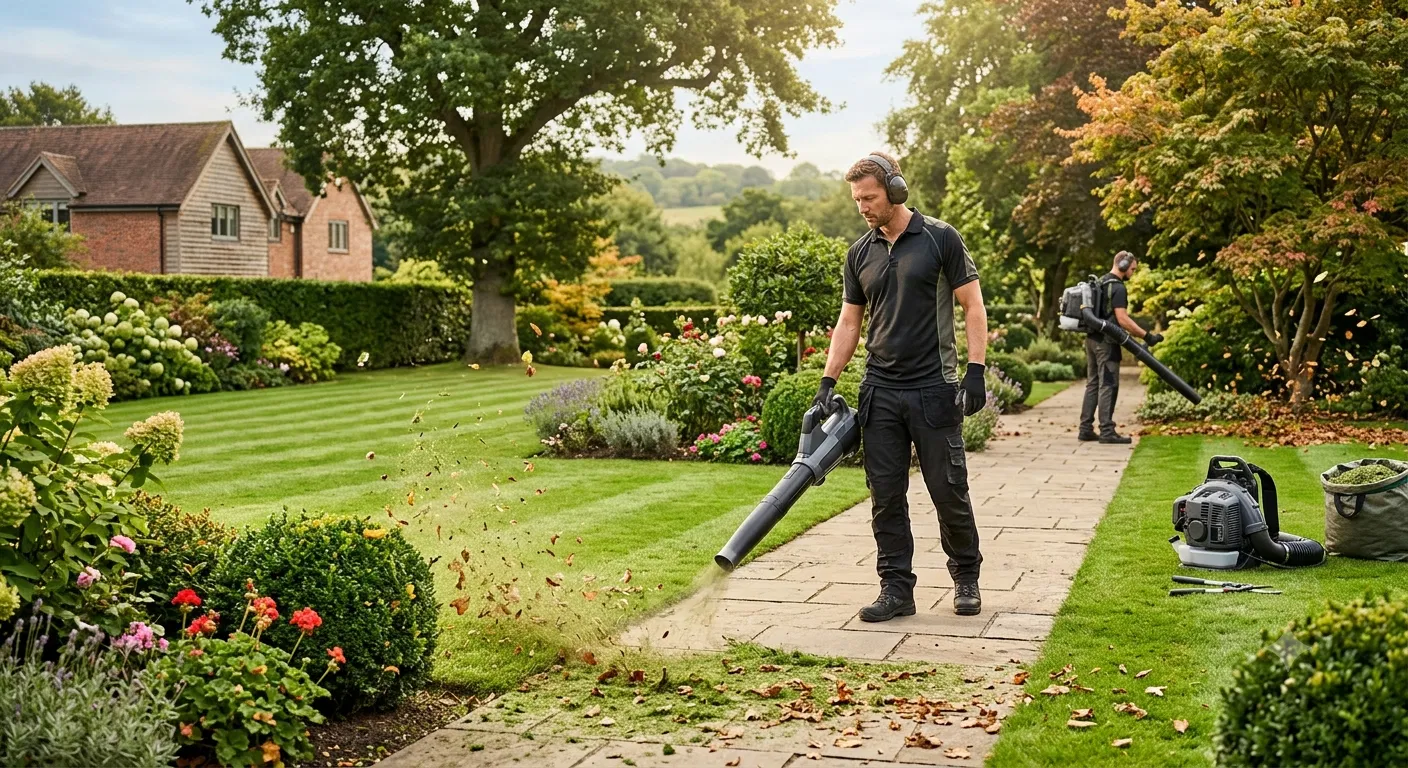
Keeping a yard neat after mowing, trimming, or seasonal leaf drop can feel like a never-ending chore. That’s where a grass blower becomes a game-changing tool. Whether you call it a leaf blower, yard blower, or grass blower, this handy machine makes cleanup faster, easier, and far less tiring than sweeping by hand.
If you’re considering buying one, it helps to know what grass blowers are best used for, which features matter most, and how to choose the right model for your property. This guide covers everything you need to know before you buy.
What Is a Grass Blower?
A grass blower is a powered outdoor tool designed to move grass clippings, leaves, dirt, and light debris into a desired area for easy collection or disposal. It uses a stream of air to clear hard-to-reach spots around driveways, patios, garden beds, sidewalks, and lawns.
While many people use the term for any yard blower, grass blowers are especially useful after mowing, edging, or seasonal cleanup. They help keep outdoor spaces tidy without the strain of raking or sweeping.
Best Uses for Grass Blowers
Grass blowers are versatile tools, and their value goes far beyond simple leaf cleanup. Here are the most common and practical uses.
1. Clearing Grass Clippings After Mowing
Freshly cut grass often ends up on sidewalks, driveways, patios, and flower beds. A grass blower quickly pushes clippings off hard surfaces and back into the lawn or into a collection pile. This creates a cleaner, more polished look after every mow.
2. Removing Leaves and Light Debris
In fall, leaves can pile up fast. A blower makes it easy to move dry leaves into piles for bagging or composting. It can also clear twigs, seed pods, and other lightweight debris that builds up over time.
3. Cleaning Driveways, Walkways, and Patios
Dust, pollen, and small debris often collect on paved areas. A grass blower can clear these surfaces in minutes, improving both appearance and safety by reducing slippery buildup.
4. Tidy Up Around Garden Beds and Borders
Instead of using a broom near delicate plants or mulch, a blower allows you to gently direct debris away from garden edges. This is especially useful after trimming hedges or edging borders.
5. Clearing Gutters and Hard-to-Reach Areas
Some blowers, especially those with attachments, can help remove dry debris from gutters, corners, porches, and fence lines. This makes them useful for detailed cleanup jobs that are hard to do by hand.
Tip: For the best results, use a grass blower on dry debris. Wet leaves and heavy clumps of grass are much harder to move efficiently.
Types of Grass Blowers
Choosing the right type of grass blower depends on the size of your yard, how often you’ll use it, and how much power you need. The three main types are gas, electric corded, and battery-powered models.
Gas Grass Blowers
Gas blowers are usually the most powerful option. They’re ideal for large properties, frequent use, and heavy-duty cleanup. Since they’re not limited by cords or battery life, they offer strong performance and mobility.
Pros:
- High power for large jobs
- No cord limitations
- Good for thick debris and wide areas
Cons:
- Noisier than other models
- Requires fuel and maintenance
- Heavier and less eco-friendly
Corded Electric Blowers
Corded electric models are lightweight, affordable, and easy to maintain. They work well for smaller yards and homes with accessible outdoor outlets.
Pros:
- Low maintenance
- Quiet compared to gas models
- Usually more affordable
Cons:
- Limited by cord length
- Less mobile
- Not ideal for large properties
Battery-Powered Blowers
Battery-powered grass blowers offer a strong balance of convenience, portability, and clean operation. They’re a popular choice for homeowners who want freedom from cords without the upkeep of gas.
Pros:
- Portable and easy to use
- Quieter than gas models
- No fuel or cord required
Cons:
- Battery runtime may be limited
- Power can vary by model
- Extra batteries may be needed for larger jobs
Key Features to Look For When Buying a Grass Blower
Not all blowers are created equal. To find the best one for your needs, compare these important features before making a purchase.
Air Speed and Air Volume
Air speed is usually measured in miles per hour (MPH), while air volume is measured in cubic feet per minute (CFM). A higher MPH helps move stubborn debris, while a higher CFM moves larger amounts of loose material more efficiently. The best blowers balance both.
Weight and Comfort
If you’ll use the blower for more than a few minutes at a time, comfort matters. Look for a lightweight design, ergonomic handle, and adjustable settings. Backpack models can also help reduce strain for bigger properties.
Noise Level
Some blowers are much louder than others. If you live in a neighborhood with noise restrictions or prefer quieter operation, consider an electric or battery-powered model.
Variable Speed Control
A blower with adjustable speed lets you handle different jobs more precisely. Use lower speeds for flower beds and delicate areas, and higher speeds for open driveways or wet debris buildup.
Mulching or Vacuum Function
Some grass blowers also double as vacuums and mulchers. These models can collect leaves and shred them into smaller pieces, which is helpful if you compost or want to reduce bagging.
Nozzle Attachments
Interchangeable nozzles can improve control and performance. A narrower nozzle concentrates airflow for tough spots, while a wider nozzle helps clear larger surfaces more quickly.
How to Choose the Right Grass Blower for Your Yard
The right blower depends on your property size and cleanup habits. Here’s a simple way to match the tool to your needs.
- Small yard: Choose a corded electric or compact battery-powered blower.
- Medium yard: A battery-powered model with good runtime is often the best balance.
- Large yard: A gas blower or high-capacity battery blower is usually the best choice.
- Frequent heavy cleanup: Look for high air volume, variable speed, and comfortable handling.
Think about what you’ll clear most often. If it’s mostly grass clippings and light dust, you may not need a high-powered gas model. But if you regularly tackle leaves, wet debris, and wide spaces, stronger performance becomes more important.
Maintenance Tips for Longer Blower Life
Taking care of your grass blower helps it work better and last longer. Simple maintenance can prevent performance issues and avoid unnecessary repairs.
- Clean the air intake and nozzle regularly
- Check cords, batteries, or fuel components before each use
- Store the blower in a dry place
- Charge batteries properly and avoid overuse
- For gas models, follow fuel and filter maintenance recommendations
Safety Tips When Using a Grass Blower
Grass blowers are simple to use, but safe handling is essential. Always wear eye protection and closed-toe shoes. If you’re working with a loud model, use hearing protection as well.
Keep the nozzle pointed away from people, pets, windows, and vehicles. Avoid blowing debris into streets or neighboring properties. For best control, work in short passes and blow debris in one direction toward a collection point.
Conclusion
A grass blower is one of the most useful tools for fast, efficient yard cleanup. From clearing grass clippings after mowing to moving leaves, dust, and light debris, it saves time while keeping your outdoor space looking clean and well maintained.
When buying one, focus on your yard size, the type of debris you handle most often, and the features that make the tool comfortable and easy to use. The right grass blower will simplify your routine and make yard work feel much less like a chore.
If you want cleaner outdoor spaces with less effort, choosing the right grass blower is a smart place to start.