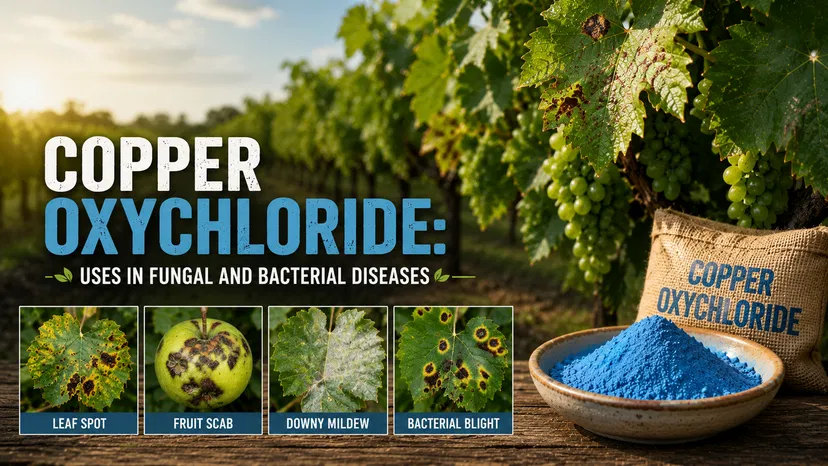
Fungal diseases can spread quickly, damage plant tissue, reduce yields, and weaken crop quality before farmers even notice the first signs. That is where fungicides come in. These crop protection products are designed to prevent, manage, or eliminate fungal infections that threaten agricultural productivity. Understanding the different types of fungicides and how they protect crops is essential for making smarter, more effective crop management decisions.
What Are Fungicides?
Fungicides are chemical or biological products used to control fungi and fungal-like organisms that cause plant diseases. They are widely used in agriculture, horticulture, and turf management to protect crops from infections such as blight, rust, mildew, leaf spot, and root rot.
While fungicides do not make plants immune, they help reduce disease pressure, slow pathogen growth, and protect healthy plant tissue. When used correctly, they can improve crop quality, preserve yield potential, and support healthier plants throughout the growing season.
Why Fungicides Matter in Crop Protection
Fungal pathogens thrive in warm, moist, and humid conditions. Once established, they can spread through wind, water, soil, equipment, and infected plant debris. In severe cases, they can devastate entire fields.
Fungicides play a critical role in integrated disease management by:
- Reducing the spread of fungal spores
- Protecting new plant growth
- Limiting disease outbreaks during vulnerable growth stages
- Preserving yield and marketable crop quality
- Supporting resistance management when rotated properly
Main Types of Fungicides
Fungicides are commonly classified based on how they move in the plant, how they work, and when they are used. The main categories include protective, systemic, contact, translaminar, and biological fungicides.
1. Protective Fungicides
Protective fungicides are applied before infection occurs. They form a barrier on the plant surface that prevents fungal spores from germinating or entering the tissue. Because they act as a shield, they are most effective when used preventively.
These fungicides are especially useful in high-risk conditions, such as periods of frequent rain or high humidity. They are often reapplied after heavy rainfall or new plant growth.
2. Systemic Fungicides
Systemic fungicides are absorbed by the plant and moved through its tissues. This internal movement allows them to protect new growth and sometimes stop early infections from spreading. Some are fully systemic, while others move locally within the treated area.
They are valued for their longer-lasting protection and ability to provide curative action against certain diseases when applied early.
3. Contact Fungicides
Contact fungicides remain on the plant surface and do not move inside the tissue. They kill or inhibit fungi on contact, making them effective for controlling spores before they infect the plant.
Because they stay on the surface, they must cover the crop thoroughly. Coverage is critical, and reapplication may be needed if the product is washed off by rain or irrigation.
4. Translaminar Fungicides
Translaminar fungicides move from one side of a leaf to the other, providing protection to parts of the plant not directly sprayed. This feature improves coverage and helps control diseases that develop on leaf surfaces or within leaf tissue.
They offer a useful middle ground between contact and fully systemic products.
5. Biological Fungicides
Biological fungicides use naturally occurring microorganisms or their by-products to suppress disease-causing fungi. They may work by competing with pathogens, producing antifungal compounds, or triggering the plant’s natural defenses.
These products are increasingly popular in sustainable agriculture and integrated pest management because they can be used as part of environmentally conscious disease control programs.
How Fungicides Protect Crops
Fungicides protect crops in several ways depending on their chemistry and application timing. Their primary goal is to interrupt the disease cycle before major damage occurs.
Preventing Spore Germination
Many fungicides stop fungal spores from germinating on the plant surface. Without germination, the fungus cannot penetrate the crop and begin infection.
Blocking Infection and Spread
Some fungicides interfere with the pathogen’s ability to enter plant tissue or multiply inside the plant. This limits the spread of disease from one leaf or plant to another.
Protecting New Growth
Systemic and translaminar fungicides can move with plant growth, helping protect new leaves, stems, and other tissues that emerge after treatment.
Reducing Disease Severity
Even when a disease is already present, fungicides can reduce how quickly it develops and how severe symptoms become. This can make the difference between a manageable issue and a major crop loss.
Common Fungicide Application Strategies
Using fungicides effectively is not just about choosing the right product. Timing, coverage, and rotation are equally important.
- Preventive application: Applied before disease appears, especially during favorable weather conditions.
- Early curative application: Applied at the first sign of infection to slow or stop disease development.
- Resistance management rotation: Alternating fungicide modes of action to reduce the risk of resistant fungal strains.
- Tank mixing: Combining compatible fungicides to broaden control and improve disease management.
Key Benefits of Fungicide Use
When incorporated into a well-planned crop protection program, fungicides deliver several important benefits.
- Higher yields: Healthy plants are better able to produce quality harvests.
- Improved crop quality: Less spotting, rot, and decay means better market value.
- Better disease control: Fast intervention helps limit outbreaks.
- Greater production stability: Farmers can reduce the risk of unpredictable losses.
- Support for integrated management: Fungicides work well alongside cultural and biological controls.
Important Considerations Before Using Fungicides
Fungicides are powerful tools, but they must be used responsibly to remain effective over time. Misuse can lead to resistance, environmental concerns, and unnecessary costs.
Farmers and growers should consider:
- The specific disease being targeted
- The crop growth stage
- Weather and moisture conditions
- The product’s mode of action
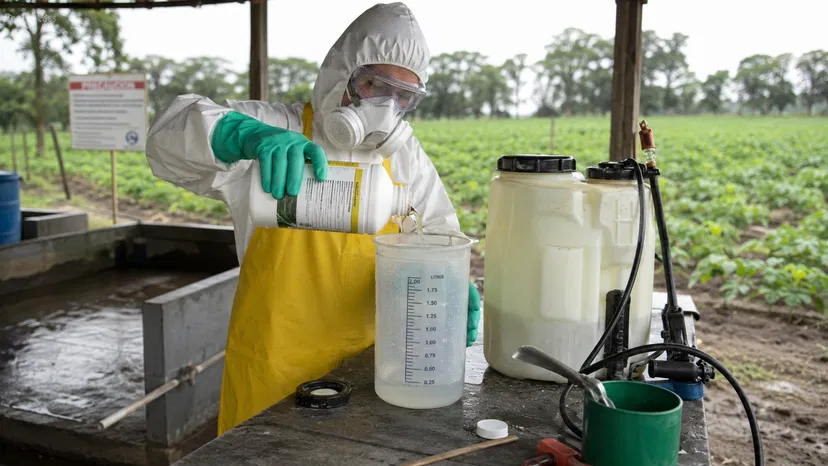
- Label instructions and safety requirements
- Resistance management recommendations
Best results come from combining fungicides with smart agronomic practices, not relying on them alone.
Fungicides and Integrated Disease Management
Fungicides are most effective when used as part of integrated disease management. This approach combines chemical, biological, and cultural strategies to reduce disease pressure and protect crops more sustainably.
Supporting practices may include crop rotation, resistant varieties, proper spacing, sanitation, irrigation management, and field scouting. Together, these methods reduce the likelihood of severe outbreaks and make fungicide programs more efficient.
Conclusion
Fungicides are essential tools in modern crop protection. From protective and systemic products to contact, translaminar, and biological options, each type plays a different role in preventing and managing fungal diseases. By understanding how fungicides work and applying them strategically, growers can protect crop health, preserve yields, and improve overall farm performance.
For the best long-term results, pair fungicide use with disease scouting, resistance management, and integrated crop protection practices. In crop production, timing and strategy matter just as much as the product itself.