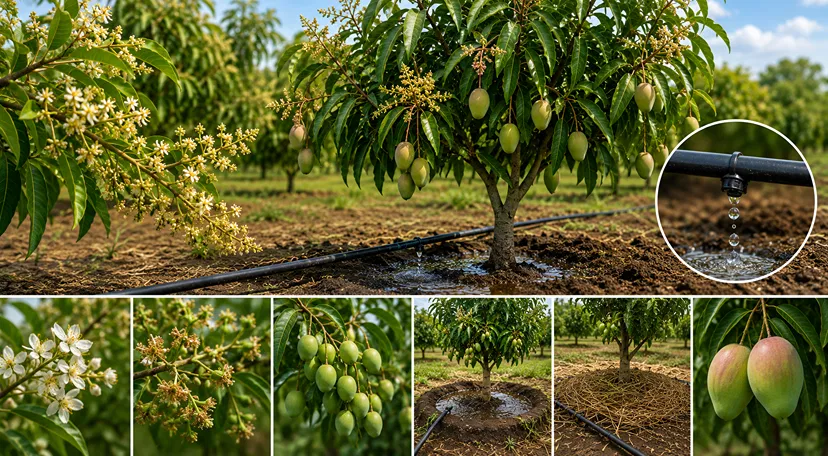
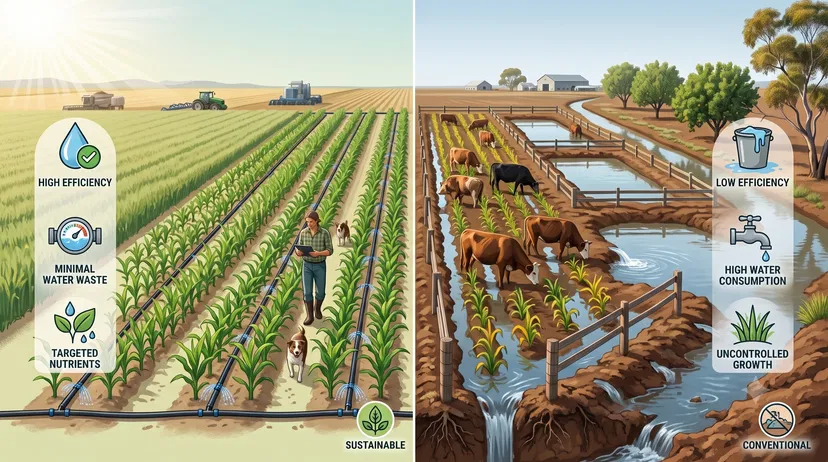
Imagine giving your crops water and nutrients at the exact same time, in the exact right amount, right where the roots need them most. That is the power of fertigation through drip irrigation. For growers looking to improve crop health, reduce waste, and boost yields, this method offers one of the smartest and most efficient ways to manage irrigation and fertilization together.
Instead of spreading fertilizer across an entire field or garden and hoping plants absorb enough of it, fertigation delivers nutrients directly through a drip system. This precise approach helps plants grow more consistently while saving water, labor, and fertilizer costs. Whether you manage a commercial farm, greenhouse, orchard, or home garden, fertigation can transform the way you feed crops.
What Is Fertigation Through Drip Irrigation?
Fertigation is the process of applying fertilizers through an irrigation system. When combined with drip irrigation, nutrients are mixed with water and delivered slowly through emitters to the root zone of each plant. This creates a highly targeted feeding system that improves nutrient uptake and minimizes losses.
Drip fertigation is especially effective because drip lines place water directly at the soil surface or below it, reducing evaporation, runoff, and nutrient leaching. The result is a more efficient use of both water and fertilizer.
Fertigation through drip irrigation lets growers water and feed crops at the same time, with greater precision and less waste.
Why Fertigation Through Drip Irrigation Works So Well
The success of drip fertigation comes from precision. Plants do not absorb nutrients evenly from broadcast applications, and water given in excess can push fertilizer beyond the root zone. Drip systems solve both problems by supplying small, frequent doses right where roots are active.
Key advantages include:
- Improved nutrient efficiency: Fertilizer reaches roots more directly, so plants can absorb more of what they need.
- Water savings: Drip irrigation uses less water than overhead methods by reducing evaporation and runoff.
- Reduced labor: Feeding and watering happen in one process, cutting down on separate application steps.
- Better crop uniformity: Plants receive consistent moisture and nutrition, leading to more even growth.
- Less weed pressure: Because water is applied only near crop roots, surrounding weeds get less support.
- Lower environmental impact: Fewer nutrient losses mean less pollution from leaching or runoff.
How Drip Fertigation Systems Work
A fertigation setup typically includes a water source, filtration system, fertilizer injector, drip lines, emitters, and sometimes pressure regulators and backflow prevention devices. The injector introduces fertilizer into the irrigation water, and the drip network distributes the mixture across the crop area.
As water flows through the emitters, nutrients are released slowly into the root zone. This steady application helps plants access nutrients over time rather than all at once. It also gives growers more control over timing, concentration, and nutrient balance.
Common fertigation components
- Injection pump or venturi: Adds fertilizer to the irrigation stream.
- Filter: Prevents clogging by removing particles from water and fertilizer solutions.
- Drip tubing: Carries water and nutrients to the crop rows or planting beds.
- Emitters: Release the fertigation solution slowly near the plant base.
- Backflow preventer: Protects the water supply from contamination.
Best Crops for Fertigation Through Drip Irrigation
Drip fertigation works well for a wide range of crops, especially those grown in rows or with defined root zones. It is widely used in agriculture because of its adaptability and efficiency.
Crops that benefit strongly from fertigation include:
- Vegetables such as tomatoes, peppers, cucumbers, lettuce, and melons
- Orchard crops like citrus, apples, grapes, and stone fruits
- Berry crops including strawberries and raspberries
- Field crops grown with drip systems, such as corn, cotton, and peanuts
- Greenhouse plants and nursery stock
Even home gardeners can use fertigation with drip irrigation to support healthier plants in raised beds, containers, and small-scale vegetable gardens.
How to Apply Fertilizer Through Drip Irrigation
Successful fertigation depends on using the right fertilizer, the right rate, and the right timing. Not every fertilizer is suitable for injection into a drip system. The product must dissolve well, remain stable in water, and be compatible with the irrigation components.
Follow these steps for effective fertigation:
- Choose a soluble fertilizer: Use fertilizers specifically designed for fertigation and drip systems.
- Test water quality: Hard water, pH levels, and mineral content can affect fertilizer performance and clogging risk.
- Set the injection rate: Apply nutrients in a measured concentration based on crop stage and soil conditions.
- Run plain water first: Wet the soil before injecting fertilizer so nutrients move into the root zone evenly.
- Inject fertilizer during the middle portion of irrigation: This helps distribute nutrients effectively.
- Flush the system afterward: Run clean water after fertigation to clear residual fertilizer from the lines.
Timing matters. Many growers prefer frequent, light fertigation applications rather than large, infrequent doses. This approach matches plant uptake patterns more closely and reduces nutrient loss.
Important Nutrients Used in Fertigation
Different crops require different nutrient programs, but fertigation makes it easier to deliver a balanced blend throughout the growing season. The most common nutrients applied through drip irrigation include nitrogen, phosphorus, potassium, calcium, magnesium, and micronutrients.
Why these nutrients matter:
- Nitrogen: Supports leafy growth and overall plant vigor.
- Phosphorus: Helps with root development, flowering, and early growth.
- Potassium: Improves fruit quality, stress tolerance, and water regulation.
- Calcium: Strengthens cell walls and helps prevent disorders like blossom end rot.
- Micronutrients: Support enzyme activity and healthy plant metabolism.
Because fertigation is so flexible, growers can adjust nutrient recipes based on crop stage, weather, soil test results, and production goals.
Best Practices for Successful Drip Fertigation
While fertigation offers many benefits, it works best when managed carefully. Poor calibration, clogged emitters, or incompatible fertilizers can reduce efficiency and cause crop problems. A well-designed system and consistent monitoring make a big difference.
Best practices to follow:
- Use high-quality, fully water-soluble fertilizers.
- Install proper filtration. This helps prevent blockage in emitters and lines.
- Monitor soil moisture regularly. Do not rely on fertigation alone without checking field conditions.
- Track crop response. Look for signs of nutrient deficiency or excess.
- Maintain the system. Clean filters, inspect emitters, and flush lines on a routine schedule.
- Follow recommended nutrient rates. Overfertigation can damage plants and reduce soil health.
It is also wise to schedule fertigation based on plant demand. For example, young plants may need lighter feeding, while fruiting crops often require more potassium and calcium later in the season.
Common Mistakes to Avoid
Even a strong system can fail if it is mismanaged. Understanding common mistakes helps growers get the best results from fertigation through drip irrigation.
- Using fertilizers that do not fully dissolve
- Skipping filtration and allowing emitter clogging
- Injecting fertilizer too quickly or unevenly
- Applying nutrients without first evaluating soil or crop needs
- Failing to flush the system after use
- Overapplying fertilizer and causing salt buildup
A careful, data-driven approach protects both crop performance and system longevity.
Conclusion: A Smarter Way to Grow
Fertigation through drip irrigation is one of the most effective ways to combine watering and feeding into a single, efficient process. By delivering nutrients directly to the root zone, growers can improve plant health, save water, reduce fertilizer waste, and achieve more consistent yields.
Whether you are managing a commercial operation or a productive garden, drip fertigation gives you better control over plant nutrition and irrigation scheduling. With the right equipment, proper maintenance, and a thoughtful nutrient plan, this method can help you grow stronger crops with less waste.
If you want healthier plants and more efficient production, fertigation through drip irrigation is a strategy worth adopting today.