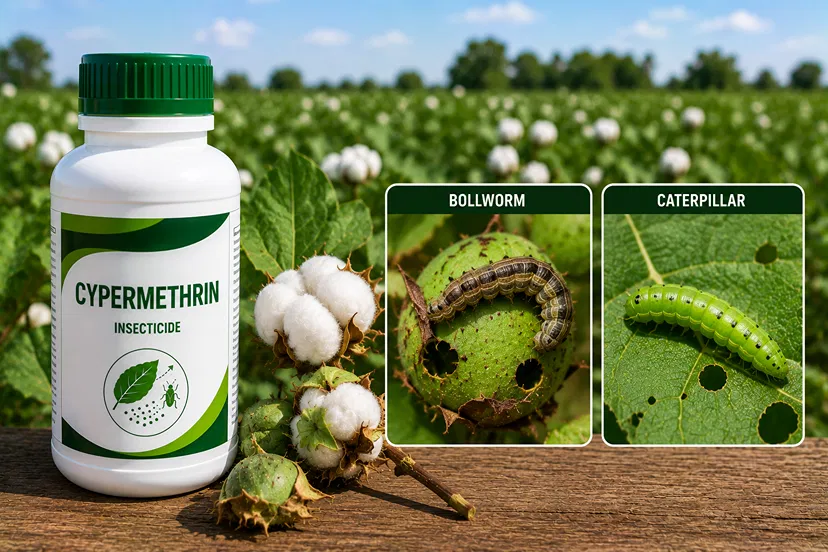
If caterpillars are chewing through your crops, you need a solution that works quickly, performs reliably, and supports effective pest management. Emamectin benzoate has become one of the most trusted tools for caterpillar control because of its strong activity against destructive larvae and its value in modern crop protection programs. Whether you are managing vegetables, fruits, cotton, or field crops, understanding how emamectin benzoate works can help you make better pest-control decisions.
What Is Emamectin Benzoate?
Emamectin benzoate is a widely used insecticide known for its effectiveness against lepidopteran pests, particularly caterpillars. It belongs to the avermectin class of insecticides and is commonly used in agriculture to protect plants from severe feeding damage.
Growers value emamectin benzoate because it targets pests that are often difficult to control with ordinary treatments. It is particularly effective against larvae that feed on leaves, stems, buds, flowers, and fruits, potentially causing major yield losses when left unmanaged.
Why Emamectin Benzoate Is Effective Against Caterpillars
Caterpillars can multiply quickly and cause serious damage within a short period. Emamectin benzoate stands out because it acts rapidly and disrupts pest feeding activity soon after application.
When a caterpillar consumes treated plant tissue, the active ingredient affects its nerve and muscle function, leading to feeding cessation, paralysis, and death. This rapid feeding-stop action is especially valuable because it helps reduce further crop injury before the pest dies.
Key Advantages
- Rapid feeding cessation that limits crop damage
- Strong activity against several caterpillar species
- Low application rates compared with certain older insecticides
- Compatibility with integrated pest management programs
- Useful rotational option when applied according to resistance-management guidance
How Emamectin Benzoate Works
Emamectin benzoate interferes with nerve and muscle function in susceptible insects. After a caterpillar ingests treated plant material, the compound causes disruption of normal nerve signals. The pest stops feeding, becomes paralyzed, and eventually dies.
Because ingestion is an important route of activity, thorough spray coverage is necessary for dependable control. The product generally performs best when applied during the early stages of infestation, before caterpillars become large or cause extensive damage.
Early intervention usually delivers the best results. Treating while caterpillars are small and feeding has only recently begun can help protect yield and reduce visible crop injury more efficiently.
Target Caterpillar Pests
Depending on the registered crop and product label, emamectin benzoate may be used against several economically important caterpillar pests, including:
- Fruit and shoot borers
- American bollworm
- Helicoverpa larvae
- Armyworms
- Spodoptera species
- Diamondback moth larvae
- Leaf-eating caterpillars
- Leaf folders and webbers
The exact pest spectrum varies according to the formulation, crop registration, local conditions, and label directions. Growers should identify the pest correctly before selecting a treatment.
Common Crops Where Emamectin Benzoate Is Used
Emamectin benzoate is used in a wide range of crops where caterpillars and borers are significant threats. Its flexibility makes it a valuable option for many growers.
Examples of Crops
- Vegetables such as cabbage, tomato, brinjal, chilli, and okra
- Fruits such as grapes and apples
- Cotton
- Pulses and other field crops
- Ornamental and specialty crops
Because caterpillar species and registered uses vary by crop and region, local pest pressure and product-label instructions should always guide product selection, dosage, and application timing.
Signs of Caterpillar Infestation
Regular field inspection can help identify caterpillar activity before serious yield loss occurs. Common warning signs include:
- Irregular holes or chewed leaf margins
- Webbing or folded leaves
- Entry holes in shoots, flowers, fruits, or bolls
- Frass or insect droppings on plant surfaces
- Damaged growing points
- Visible eggs or young larvae on leaf undersides
Early detection is important because young larvae are generally easier to control than older caterpillars. Delaying treatment may allow pests to enter fruits, shoots, or dense plant canopies where spray coverage becomes more difficult.
Best Practices for Caterpillar Control
To get the most from emamectin benzoate, application timing, pest monitoring, and spray coverage matter as much as product selection. A properly timed application can significantly improve control.
1. Scout Crops Regularly
Inspect fields frequently for eggs, young larvae, feeding damage, frass, and infestation hot spots. Early detection allows treatment before caterpillars reach damaging sizes.
2. Target Young Larvae
Small caterpillars are usually easier to manage than mature larvae. Applying emamectin benzoate while larvae are young often produces better control and reduces the amount of feeding damage.
3. Ensure Thorough Coverage
Because the product acts primarily after ingestion, even spray coverage across plant surfaces is important. Water volume, nozzle selection, plant density, and canopy penetration can all affect performance.
Particular attention should be given to:
- Leaf undersides
- Young shoots and growing points
- Flower clusters
- Developing fruits or bolls
- Dense sections of the crop canopy
4. Use the Label-Approved Dosage
Application rates vary by formulation, crop, pest, and region. Always measure the product accurately and follow the rate printed on the approved label. Using more than the recommended amount does not guarantee better control and may increase residue, resistance, and environmental risks.
5. Rotate Modes of Action
Avoid repeated applications of the same insecticide group. Rotate emamectin benzoate with insecticides that have different modes of action, where permitted, as part of a structured resistance-management plan.
6. Follow Label Directions
Always use the product according to local regulations and label instructions. Observe application intervals, pre-harvest intervals, re-entry periods, protective-equipment requirements, and crop-specific restrictions.
Resistance Management
Repeated reliance on one insecticide can select resistant pest populations. Caterpillars that survive treatment may reproduce and pass reduced sensitivity to later generations, making future control more difficult.
To reduce resistance risk:
- Apply only when pest monitoring shows treatment is needed.
- Target young larvae before infestations become severe.
- Use the full label-approved rate.
- Avoid unnecessary repeat applications.
- Rotate with products from different mode-of-action groups.
- Include cultural and biological controls wherever practical.
Rotating only between different brands containing the same active ingredient does not constitute effective resistance management.
Benefits for Integrated Pest Management
Modern crop protection is not only about killing pests; it is also about controlling them responsibly and sustainably. Emamectin benzoate can fit into integrated pest management programs that combine field monitoring, treatment thresholds, cultural practices, biological control, and carefully selected insecticides.
An integrated approach may include:
- Regular crop scouting
- Removal of severely infested plant material
- Use of pheromone traps where appropriate
- Conservation of beneficial insects
- Crop rotation and field sanitation
- Mode-of-action rotation
When used thoughtfully, emamectin benzoate can control damaging caterpillars while supporting a broader long-term pest-management strategy.
Application and Safety Considerations
Emamectin benzoate should always be handled carefully. Users must follow the product label and wear the recommended personal protective equipment during mixing and spraying.
- Wear gloves, protective clothing, eye protection, and a suitable mask as directed.
- Avoid inhaling spray mist or allowing the product to contact skin and eyes.
- Do not eat, drink, or smoke while handling the product.
- Avoid spraying during strong winds or immediately before heavy rain.
- Prevent spray drift and runoff into ponds, streams, and drainage channels.
- Keep children, livestock, and unauthorized people away from treated areas.
- Store the product in its original container in a secure location.
Spraying during the early morning or late afternoon may improve application conditions, but growers should also consider pollinator activity, weather, and label restrictions.
What Makes Emamectin Benzoate a Popular Option?
Many insecticides are available for caterpillar management, but emamectin benzoate remains a commonly selected option because it combines potency, low-use rates, rapid feeding cessation, and flexibility across several crops.
Growers often choose it when they need strong suppression of difficult larvae and want to protect marketable yield. Its value is greatest when the pest is identified correctly, young larvae are targeted, and thorough spray coverage is achieved.
Conclusion
When caterpillars threaten crop health, timing and product choice can make a major difference. Emamectin benzoate for caterpillar control provides an effective and practical option for growers seeking to protect plants from serious feeding damage.
When used correctly and as part of a broader pest-management strategy, it can help preserve yield, improve crop quality, and reduce the impact of destructive larvae. For dependable results, scout regularly, treat infestations early, follow the approved label, and rotate modes of action responsibly.
```