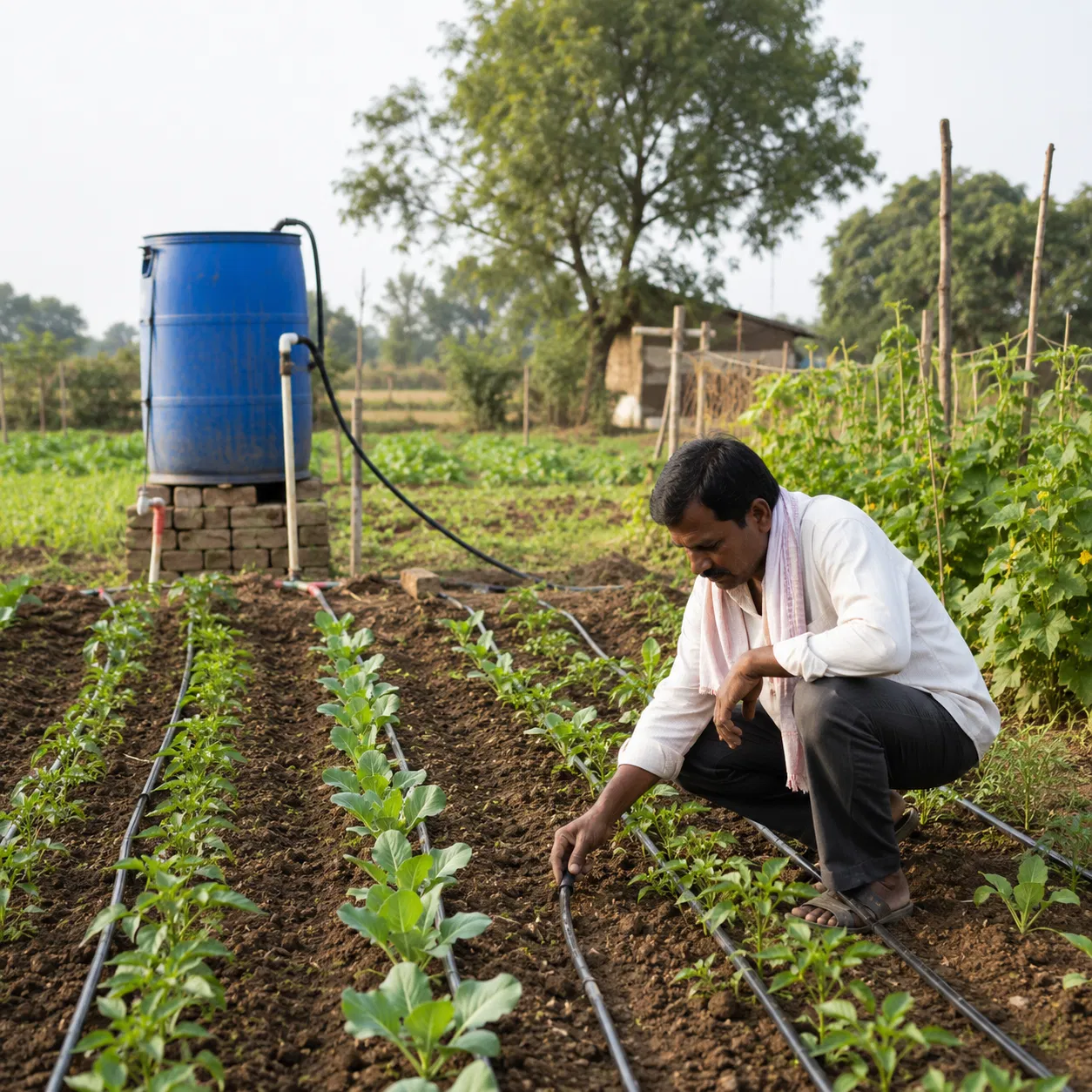
For small and marginal farmers, every drop of water, every rupee of input cost, and every extra harvest matters. That is why drip irrigation for small and marginal farmers is becoming one of the most practical farming solutions today. It delivers water directly to the root zone, reduces wastage, improves crop health, and helps farmers grow more with fewer resources.
With rising water scarcity, irregular rainfall, and increasing labor costs, traditional irrigation methods are no longer enough for many small farms. Drip irrigation offers a smarter alternative. It is efficient, scalable, and especially useful for farmers who want better control over water use and crop performance.
What Is Drip Irrigation?
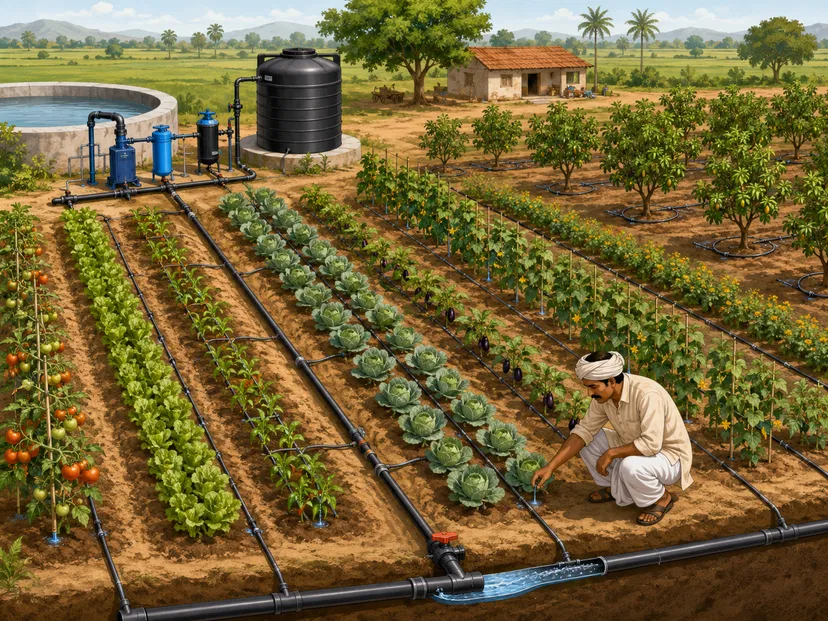
Drip irrigation is a method of watering crops slowly and directly at the plant’s root zone through a network of pipes, valves, emitters, and tubing. Instead of flooding the entire field, water is delivered in small amounts exactly where it is needed.
This system helps reduce evaporation, runoff, and deep percolation losses. As a result, crops get a steady supply of moisture, which supports healthier growth and better yields.
Why Drip Irrigation Matters for Small and Marginal Farmers
Small and marginal farmers often work with limited land, limited capital, and limited access to water. Drip irrigation fits these conditions well because it is designed to maximize efficiency.
- Saves water: Uses less water than flood or furrow irrigation.
- Improves crop yield: Plants receive consistent moisture for better growth.
- Reduces labor: Less manual watering and fewer field operations.
- Supports fertilizer efficiency: Fertilizers can be applied through the system.
- Works on uneven land: Suitable for slopes and irregular plots.
- Limits weed growth: Only the crop root zone is watered, not the whole field.
For farmers who need to make the most of every acre, drip irrigation can be a game changer.
Key Benefits of Drip Irrigation for Small Farms
1. Water Savings
Water scarcity is one of the biggest challenges in agriculture. Drip irrigation can significantly reduce water use compared with traditional methods. Since water is applied directly to the roots, there is less loss from evaporation and surface runoff.
This is especially valuable in dry regions or areas where groundwater levels are falling.
2. Better Crop Quality
Plants grow best when they receive the right amount of water consistently. Drip irrigation helps avoid water stress, which can damage crops and reduce quality. Fruits and vegetables often show better size, color, and uniformity under drip systems.
3. Higher Input Efficiency
Small and marginal farmers must use inputs wisely. Drip irrigation allows fertigation, which means fertilizers are mixed with irrigation water and delivered directly to plant roots. This improves nutrient uptake and reduces fertilizer waste.
4. Less Weed Pressure
When water is applied only near the crop roots, the surrounding soil stays drier. This makes it harder for weeds to grow. As a result, farmers may spend less time and money on weeding.
5. Suitable for High-Value Crops
Drip irrigation is especially effective for crops such as vegetables, fruits, spices, flowers, and nursery plants. These crops often generate better income per unit of land, making drip systems a smart investment for smallholders.
How Drip Irrigation Works
A drip irrigation system typically includes the following components:
- Water source: Well, pond, tank, canal, or borehole
- Filter: Removes dirt and particles that can clog emitters
- Main line and sub-main lines: Carry water through the field
- Lateral pipes: Distribute water close to the plants
- Emitters or drippers: Release water slowly in small drops
- Control valves: Manage flow and pressure
The system can be manual or automated, depending on the farm size and budget. Even a simple setup can deliver major benefits when properly installed and maintained.
Best Crops for Drip Irrigation
While drip irrigation can be used for many crops, it is particularly effective for:
- Tomato
- Chili
- Onion
- Brinjal
- Cucumber
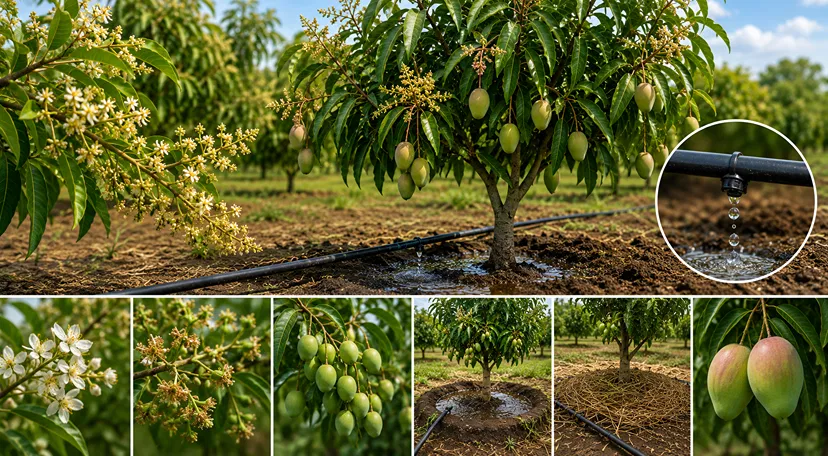
- Banana
- Papaya
- Grapes
- Pomegranate
- Cotton
- Sugarcane
For small and marginal farmers growing vegetables or orchard crops, drip irrigation often delivers the fastest return on investment.
Cost Considerations for Small and Marginal Farmers
One of the main concerns for small farmers is the initial cost of installation. A drip irrigation system requires pipes, filters, emitters, and installation work, which can seem expensive at first.
However, the long-term savings can outweigh the upfront cost. Farmers often benefit from:
- Reduced water usage
- Lower labor expenses
- Improved fertilizer efficiency
- Higher crop yield and better quality produce
In many regions, government subsidy programs and agricultural support schemes can also reduce the financial burden. Farmers should check local agriculture departments, irrigation boards, and extension services for available assistance.
Smart irrigation is not just about saving water. It is about protecting farm income, improving resilience, and making every resource work harder.
Simple Tips to Get the Best Results
Drip irrigation works best when it is used correctly and maintained regularly. Here are a few practical tips:
- Choose the right filter: Prevent clogging by using proper filtration.
- Match the system to your crop: Different crops need different spacing and water flow.
- Check pressure regularly: Uneven pressure can lead to poor water distribution.
- Flush the system: Clean pipes and lines periodically to remove sediment.
- Inspect emitters: Replace blocked or damaged drippers as needed.
- Schedule irrigation wisely: Water early in the morning or late in the evening to reduce evaporation.
Good maintenance extends system life and ensures consistent performance throughout the season.
Challenges Farmers May Face
Although drip irrigation offers many advantages, small farmers may face a few challenges:
- High upfront installation cost
- Clogging of emitters due to poor water quality
- Need for basic technical knowledge
- Repair and maintenance requirements
These challenges can be managed with proper training, quality components, and regular system checks. Support from extension workers, cooperatives, and local agronomy experts can make adoption easier.
Why Drip Irrigation Is a Future-Ready Solution
Climate change, water stress, and rising agricultural costs are forcing farmers to adopt more efficient practices. Drip irrigation is one of the most reliable solutions for small and marginal farmers because it supports sustainable production without demanding large amounts of land or water.
It helps farmers grow more crops with less waste, improve income stability, and use natural resources more responsibly. In an uncertain farming environment, that kind of efficiency is invaluable.
Conclusion
Drip irrigation for small and marginal farmers is more than a modern farming technique. It is a practical investment in productivity, water conservation, and long-term farm sustainability. By delivering water directly to the roots, it helps farmers save resources while improving crop yields and quality.
If you are a small farmer looking to reduce water waste, cut input costs, and grow healthier crops, drip irrigation is worth serious consideration. Start small if needed, learn the system well, and build from there. A well-managed drip system can transform a small plot into a more profitable and resilient farm.
Take the next step: explore local subsidy options, consult an agricultural expert, and evaluate which crops on your farm could benefit most from drip irrigation.