When insect pressure threatens yields in the field or quality in storage, deltamethrin is one of the most widely used insecticides farmers turn to for fast, reliable control. Known for its strong performance against a broad range of pests, deltamethrin uses in crops and stored grain make it an important tool in modern pest management. From protecting vegetables and field crops to preventing losses in warehouses and grain bins, this pyrethroid insecticide plays a major role in safeguarding harvests.
Understanding where deltamethrin works best, how it is applied, and what pests it targets can help growers and grain handlers use it more effectively. Below, we explore the main applications, benefits, and best practices for using deltamethrin in crop protection and stored grain management.
What Is Deltamethrin?
Deltamethrin is a synthetic pyrethroid insecticide designed to disrupt the nervous systems of insects, leading to rapid paralysis and death. It is valued for its quick knockdown effect, residual activity, and effectiveness against chewing and sucking pests. Because of its broad-spectrum action, deltamethrin is used in a variety of agricultural settings.
Its popularity comes from the combination of fast action and long-lasting control, especially where insect outbreaks can quickly damage crops or contaminate stored produce. However, like all pesticides, it should be used carefully and according to label directions to maximize results and reduce resistance risks.
Deltamethrin Uses in Crops
In crop production, deltamethrin is commonly used to manage insect pests that feed on leaves, stems, flowers, and fruit. It is especially useful in protecting high-value crops where even minor pest damage can lead to economic loss or reduced market quality.
1. Vegetable Crops
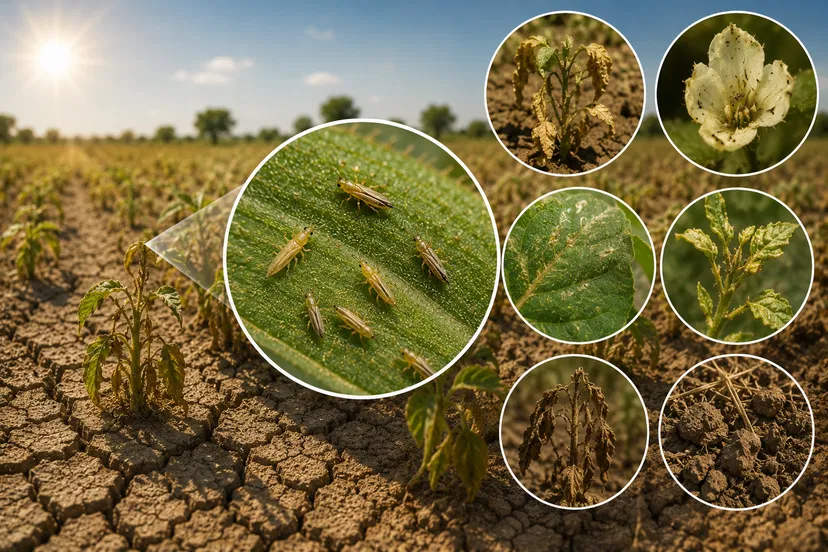
Deltamethrin is often applied in vegetables to control caterpillars, beetles, aphids, and other destructive insects. Crops such as cabbage, cauliflower, broccoli, tomatoes, peppers, and leafy greens may benefit from timely applications when pest pressure is high.
- Controls leaf-eating insects that reduce plant vigor
- Helps prevent cosmetic damage on marketable produce
- Supports better crop uniformity and yield quality
2. Field Crops
Many field crops also rely on deltamethrin for insect control, particularly during vulnerable growth stages. It may be used in crops like cotton, maize, soybean, sunflower, and cereals to combat pests that feed on foliage or developing grain.
By reducing pest populations early, growers can help protect plant health and avoid yield loss. This is especially important in crops where insect feeding can weaken the plant or reduce grain filling.
3. Fruit and Orchard Crops
Fruit trees and orchard crops can also be affected by pests such as fruit borers, leaf feeders, and certain beetles. Deltamethrin may be used in orchard pest management programs where rapid knockdown is needed to prevent fruit damage and preserve harvest quality.
Key benefit: Deltamethrin is especially useful when pest populations rise quickly and immediate control is needed to protect crop value.
4. Cotton and Fiber Crops
Cotton is highly susceptible to insect damage, making insect control critical throughout the growing season. Deltamethrin may be used to control bollworms, caterpillars, and other pests that can damage flowers, bolls, and leaves. Its quick action makes it a practical choice in integrated pest management programs when monitoring shows rising infestations.
Deltamethrin Uses in Stored Grain
One of the most important uses of deltamethrin is in stored grain protection. After harvest, grains remain vulnerable to insects that can cause weight loss, contamination, heating, and reduced grain quality. Deltamethrin helps protect stored commodities from these threats.
1. Protecting Warehouses and Grain Bins
Deltamethrin can be applied to storage structures, empty bins, walls, floors, and handling equipment to reduce insect buildup and prevent infestations from spreading. This creates a protective barrier that helps keep storage spaces cleaner and safer for grain.
2. Controlling Stored Product Insects
Stored grain pests such as weevils, beetles, moths, and borers can multiply rapidly in warm storage conditions. Deltamethrin helps control these pests and reduce the chance of infestation in commodities such as wheat, maize, rice, barley, and other stored grains.
- Reduces insect contamination in stored grain
- Helps maintain grain quality and market value
- Supports longer storage life with fewer losses
3. Grain Sacks and Storage Surfaces
In some storage systems, deltamethrin is used on sacks, loading areas, and non-food contact surfaces to help reduce insect movement and infestation risk. This can be particularly valuable in large-scale storage or distribution facilities where pests can spread quickly from one lot to another.
Advantages of Deltamethrin for Crop and Grain Protection
Deltamethrin offers several practical benefits that make it a trusted insect control option for farmers and storage managers.
- Fast knockdown: Kills insects quickly after exposure
- Broad-spectrum activity: Effective against many pest species
- Residual effect: Continues working for a period after application
- Flexible use: Suitable for field crops, vegetables, orchards, and storage facilities
- Improved protection: Helps reduce yield loss and post-harvest damage
These advantages make deltamethrin a strong fit for programs that need immediate control and practical, cost-effective pest management.
Best Practices for Using Deltamethrin
To get the best results from deltamethrin, proper use is essential. Overuse or incorrect application can reduce effectiveness and increase the risk of pest resistance.
- Follow label instructions carefully. Always use the recommended rate, timing, and application method for the target crop or storage setting.
- Apply at the right pest stage. Early treatment is usually more effective than waiting until pest numbers become severe.
- Rotate insecticides. Use different modes of action in rotation to slow resistance development.
- Monitor pest populations. Regular scouting helps determine when treatment is necessary.
- Use safety precautions. Wear protective equipment and avoid contamination of food, feed, and water sources.
Safety and Resistance Considerations
Although deltamethrin is effective, it should be used responsibly. Repeated use of the same insecticide can lead to resistance in pest populations, making control more difficult over time. That is why deltamethrin works best as part of an integrated pest management strategy that includes monitoring, sanitation, cultural practices, and rotation with other insecticide groups.
In storage environments, cleanliness is just as important as chemical treatment. Removing leftover grain, dust, and debris helps reduce insect breeding sites and improves the overall performance of deltamethrin treatments.
Why Deltamethrin Remains a Valuable Pest Control Tool
For growers and grain handlers seeking dependable insect control, deltamethrin remains a highly valuable option. Its ability to protect crops during the growing season and reduce losses after harvest makes it a versatile product in agricultural pest management. When used correctly, it helps preserve yield, quality, and profitability.
Whether the goal is to protect vegetables from leaf-feeding insects, shield field crops from damaging outbreaks, or keep stored grain free from infestation, deltamethrin offers practical and effective support.
Conclusion
Deltamethrin uses in crops and stored grain make it one of the most important insecticides in agriculture. Its rapid action, broad pest control, and usefulness in both field and storage settings give it a strong place in modern pest management programs. For best results, it should always be applied according to label directions and combined with monitoring, sanitation, and resistance management practices.
If you want better crop protection and safer grain storage, deltamethrin can be a powerful part of your insect control strategy.