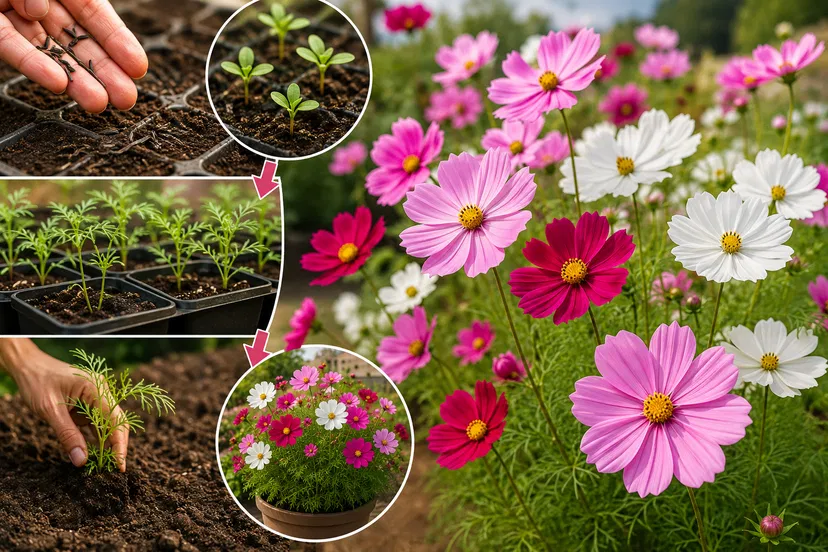
Ever wonder why some plants seem to keep flowering for weeks while others fade fast? The secret is often surprisingly simple: deadheading flowers. By removing old, spent blooms, you encourage many flowering plants to shift their energy away from seed production and back into making new flowers. It's one of the easiest garden tasks with one of the biggest payoffs.
What Is Deadheading Flowers?
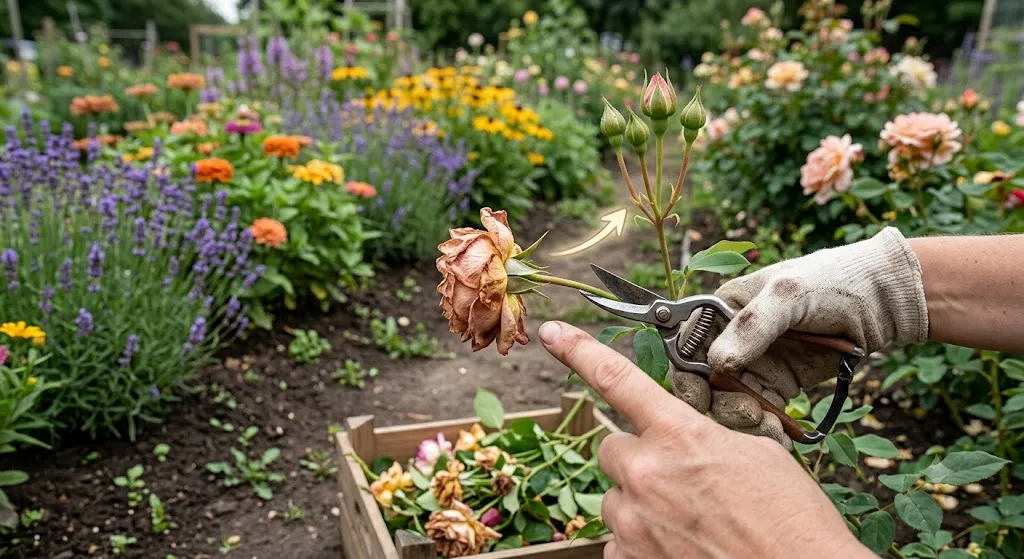
Deadheading flowers means cutting, pinching, or snipping off faded blooms after they begin to wilt. In nature, a flower's job is to bloom, get pollinated, and produce seeds. Once that happens, many plants slow down flowering because their reproductive cycle is complete. When you remove spent blossoms, you interrupt that process and often persuade the plant to bloom again.
This simple practice works especially well on many annuals, perennials, and container plants that are capable of repeat flowering throughout the season.
Why Deadheading Boosts More Blooms
Plants have limited energy. When a flower is allowed to fade and form seeds, the plant invests resources into seed development instead of new growth. Deadheading redirects that energy. Instead of putting effort into seed pods, the plant can use its stored resources to produce fresh buds and blossoms.
In short: fewer seed heads often means more flowers.
Deadheading can also improve the plant's appearance, reduce disease risk, and keep your garden looking tidy and vibrant.
Benefits of Deadheading Flowers
- Promotes repeat blooming on many flower types
- Improves plant appearance by removing brown, faded blooms
- Prevents unwanted self-seeding in some species
- Reduces rot and disease by removing dying plant material
- Encourages healthier growth by supporting new buds and foliage
Which Flowers Benefit Most from Deadheading?
Not every plant responds the same way, but many popular garden flowers bloom longer when deadheaded regularly. Some of the best candidates include:
These plants often respond to deadheading by producing fresh flowers within days or weeks, depending on growing conditions and the plant's overall health.
How to Deadhead Flowers the Right Way
The best deadheading method depends on the flower type, but the goal is always the same: remove the spent bloom without damaging the healthy growth below it.
1. Pinch
For soft-stemmed flowers, use your fingers to pinch off the faded bloom. This works well for many annuals and small garden flowers.
2. Snip
Use clean scissors, pruners, or garden snips for thicker stems. Cut just above the nearest set of healthy leaves or buds.
3. Remove the Entire Flower Stem
Some plants bloom on long stems with one flower per stem. In these cases, it's often best to remove the stem down to a leaf node or side shoot.
4. Lightly Shear
For plants that flower densely, a light trim can stimulate a flush of new growth and more blooms. This is especially useful for certain bedding plants.
Deadheading Tips for Best Results
To get the most from deadheading flowers, timing and technique matter. Keep these best practices in mind:
- Check plants regularly during the flowering season.
- Remove blooms before seed heads form for the best reblooming response.
- Use clean tools to avoid spreading disease.
- Cut back to a healthy leaf node or branching point when possible.
- Water and feed appropriately so the plant has the energy to produce more flowers.
Deadheading works best as part of good overall plant care. Healthy plants with enough sun, water, and nutrients will always bloom more reliably than stressed plants.
Common Mistakes to Avoid
Deadheading is easy, but a few missteps can reduce its effectiveness:
- Waiting too long until seeds have already formed
- Cutting too far back and removing future buds
- Ignoring the plant's natural habit since some flowers don't need deadheading
- Using dull or dirty tools that can damage stems
- Deadheading in extreme heat when plants are already stressed
Do All Flowers Need Deadheading?
No. Some plants naturally self-clean, meaning old blooms drop away on their own and new flowers keep coming without much help. Others are grown for their seed heads or dry flower structures, so deadheading would remove part of their ornamental appeal.
In addition, some perennials bloom only once per season, and removing flowers won't always trigger a second round of blooms. Before deadheading, it helps to know the growth habit of each plant in your garden.
Why Deadheading Matters in a Flower Garden
Deadheading flowers is one of the simplest ways to extend the bloom period in your garden. It keeps plants looking fresh, encourages more flowers, and helps you get more beauty from the same space. For gardeners who want a longer-lasting display without complicated maintenance, this small task delivers big results.
When paired with regular watering, proper sunlight, and healthy soil, deadheading can transform a good flowering season into a great one. The difference is often noticeable: more color, fewer faded blooms, and a garden that looks alive for longer.
Conclusion
If you want more blooms, deadheading flowers is a habit worth adopting. By removing spent blossoms, you help plants redirect their energy toward fresh growth and repeat flowering. It's quick, low-cost, and highly effective for many garden favorites.
Start by checking your flowering plants once or twice a week, snipping off faded blooms as they appear. With a little consistency, you'll enjoy a fuller, brighter, and longer-lasting garden all season long.