Citrus — oranges, mandarins, lemons and sweet limes — is one of the most widely grown fruit crops, but its trees are also prone to a fairly narrow set of fungal and bacterial diseases that can quietly cut into both yield and fruit quality if they go unnoticed. Trunk and root issues like gummosis can weaken a tree for years, while leaf, fruit and rind problems like canker or powdery mildew mostly show up as visible blemishes and lower marketable output. This guide walks through the five diseases every citrus grower should be able to recognise, how to spot each one early, and the registered fungicide options to manage them.
1. Gummosis (Phytophthora spp.)
Gummosis is a Phytophthora-driven rot of the trunk and root collar that causes bark cracking and amber gum oozing, gradually girdling the trunk and weakening the whole tree.
How to Spot It
Look for water-soaked, dark patches on the lower trunk near the soil line, vertical bark cracks, and sticky amber gum exuding from the bark. Affected bark eventually dries out, cracks further, and peels away from the wood underneath.
Solutions to Manage/Control It
| Product | Active Ingredient |
|---|---|
| Curzate Fungicide by Corteva | Cymoxanil 8% + Mancozeb 64% WP |
| Folio Gold Fungicide by Syngenta | Metalaxyl M 3.3% + Chlorothalonil 33.1% SC |
2. Brown Rot (Phytophthora spp.)
Brown rot is a Phytophthora fruit and foliage disease that turns citrus fruit leathery and brown, often with a distinct sour odour, and can also trigger premature leaf fall in wet, poorly drained orchards.
How to Spot It
Check lower-canopy fruit for firm, light-to-dark brown leathery patches that spread quickly in humid weather, sometimes with a faint white fungal growth on the surface, alongside unusual leaf drop nearby.
Solutions to Manage/Control It
| Product | Active Ingredient |
|---|---|
| Folio Gold Fungicide by Syngenta | Metalaxyl M 3.3% + Chlorothalonil 33.1% SC |
3. Leaf Spot (Alternaria alternata)
Leaf spot diseases, including Alternaria brown spot and related greasy spot infections, cause dark, irregular lesions on citrus foliage that weaken the tree, encourage premature leaf drop, and reduce overall photosynthetic capacity.
How to Spot It
Watch for small, dark brown to black spots on leaves, sometimes ringed with a yellow halo, that enlarge and merge as the infection progresses. Heavily affected leaves yellow and drop early, particularly during humid stretches.
Solutions to Manage/Control It
| Product | Active Ingredient |
|---|---|
| Crystal Blue Copper Fungicide | Copper Oxychloride 50% WP |
| Indofil Z-78 Fungicide | Zineb 75% WP |
4. Citrus Canker (Xanthomonas citri subsp. citri)
Citrus canker is a bacterial disease that produces raised, corky lesions on leaves, stems, and fruit, leading to leaf and fruit drop, blemished fruit, and reduced marketability.
How to Spot It
Look for raised, corky, tan-to-brown lesions ringed with a yellow halo on leaves and fruit, with water-soaked margins on younger lesions. Fruit lesions can crack the rind, opening the way to secondary rots.
Solutions to Manage/Control It
| Product | Active Ingredient |
|---|---|
| Crystal Blue Copper Fungicide | Copper Oxychloride 50% WP |
| UPL Cuprofix Disperss Fungicide | Copper Sulphate 47.15% + Mancozeb 30% WDG |
5. Powdery Mildew (Oidium spp.)
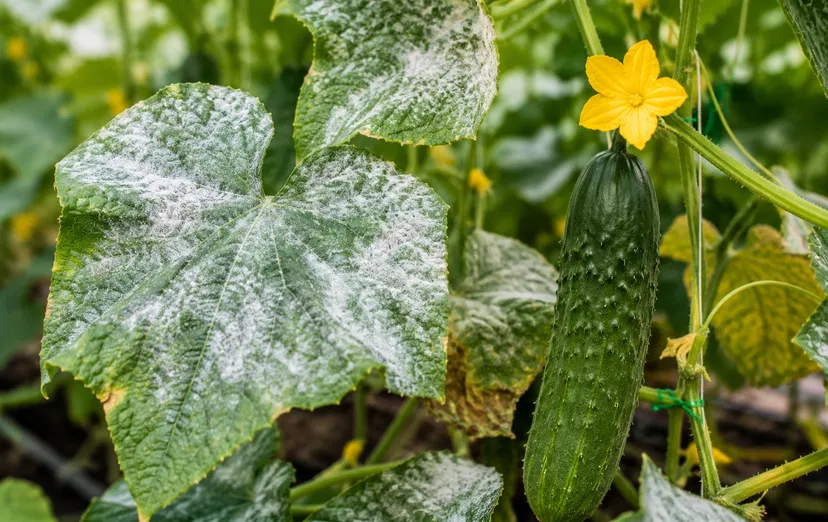
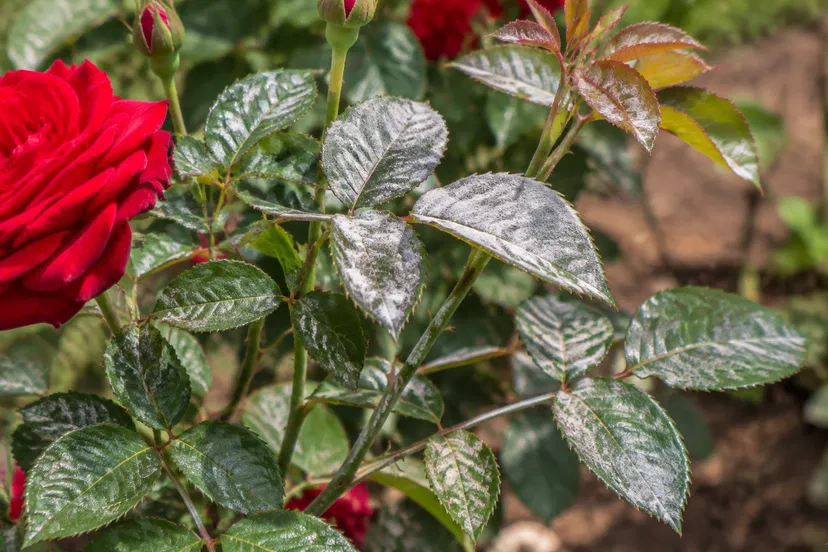
Powdery mildew coats young leaves, shoots, and flower buds with a white-to-grey powdery fungal growth, distorting new flushes and reducing fruit set when infections are severe.
How to Spot It
Look for a talcum-like white to grey powder coating young leaves and shoots, along with curling or distortion of new growth and stunted flushes — most common during warm, dry spells that follow humid weather.
Solutions to Manage/Control It
| Product | Active Ingredient |
|---|---|
| Sulfex Fungicide | Sulphur 80% WP |
Frequently Asked Questions
What is the most common fungal disease affecting citrus trees?
Gummosis and brown rot, both caused by Phytophthora species, are among the most common and damaging fungal diseases in citrus orchards, especially where soil drainage is poor.
Is citrus canker curable?
Citrus canker cannot be fully cured once a tree is infected. Management relies on copper-based sprays, removing badly infected material, and sanitation practices that limit further spread.
When is the best time to spray citrus trees for disease control?
Preventive sprays generally work best just before and during new flush growth, flowering, and periods of high humidity or rainfall, when fungal and bacterial pressure is at its highest.
Can powdery mildew spread to citrus fruit?
Yes. Severe powdery mildew infections can extend to flower buds and young fruit, reducing fruit set and leaving a powdery residue that affects fruit quality if left untreated.
- Always confirm the current label registration, recommended dosage, and pre-harvest interval (PHI) for your state and crop stage before using any product mentioned here.
- This is general advisory content only — please do your own research and verify with a local agronomist or dealer before making any purchase, spray, or crop-management decision.