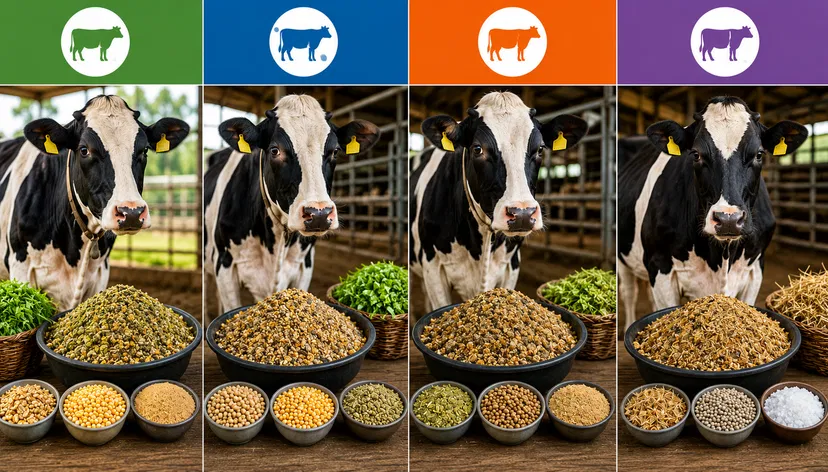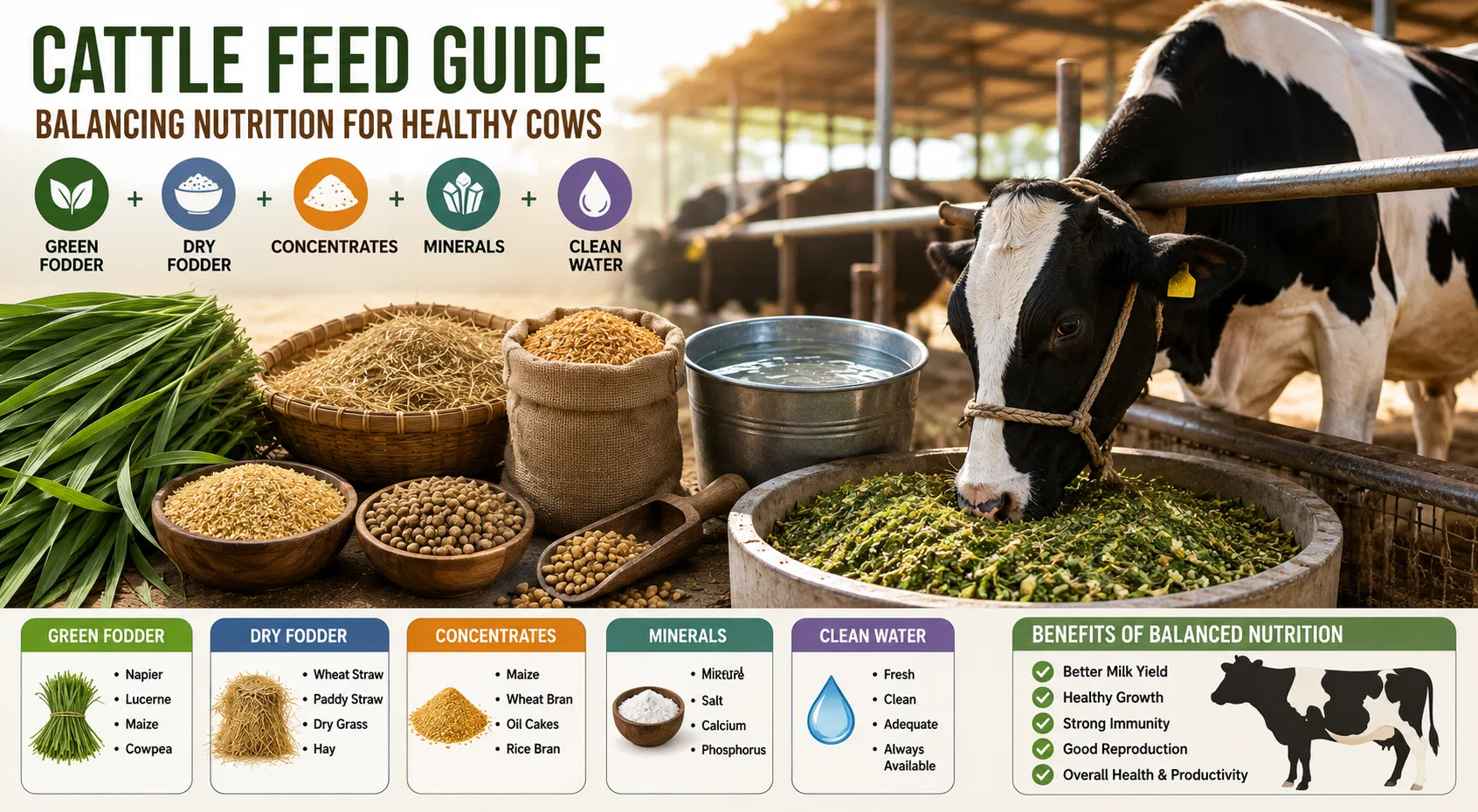
Feeding cattle is not just about filling a trough. It is about giving cows the right balance of energy, protein, fiber, vitamins, and minerals so they can stay healthy, produce well, and thrive through every stage of life. A smart cattle feed program supports growth, milk production, reproduction, and overall herd performance. When nutrition is off, problems show up fast: poor weight gain, reduced milk yield, weak immunity, and fertility issues.
If you want healthier cows and better results from your herd, understanding cattle feed and balanced nutrition is essential. The good news is that it does not have to be complicated. With the right feeding strategy, you can create a practical, efficient cattle nutrition plan that meets your cows' needs without wasting feed or money.
Why Balanced Nutrition Matters for Cattle
Cows depend on consistent nutrition to fuel digestion, maintain body condition, and support production. Unlike simple feeding, balanced cattle nutrition looks at the whole diet, not just one ingredient. Each nutrient plays a different role.
- Energy helps cows maintain body functions, grow, and produce milk.
- Protein supports muscle development, tissue repair, and milk synthesis.
- Fiber keeps the rumen healthy and digestion stable.
- Minerals support bone strength, reproduction, and metabolism.
- Vitamins help with immunity, growth, and disease resistance.
- Water is essential for digestion, nutrient transport, and milk production.
A shortage in any one area can affect the entire herd. That is why the best cattle feed guide always starts with a balanced ration rather than a single feed ingredient.
Understanding the Main Components of Cattle Feed
A healthy cattle diet usually includes roughages, concentrates, and supplements. The exact ratio depends on the animal's age, weight, stage of production, and environment.
1. Roughages
Roughages are high-fiber feeds such as pasture grass, hay, silage, and crop residues. These are the foundation of most cattle diets, especially for beef cattle and dairy cows that need healthy rumen function.
Good roughage helps cows chew cud, produce saliva, and maintain proper digestion. Without enough fiber, cows can develop digestive issues and reduced feed efficiency.
2. Concentrates
Concentrates are energy-dense feeds like corn, barley, oats, soybean meal, and commercial grain mixes. They are often used to support growth, body condition, and milk production.
While concentrates are valuable, too much can upset rumen balance. They should always be fed with enough forage to avoid acidosis and other digestive problems.
3. Supplements
Supplements provide nutrients that may be missing from forage and grain. These can include mineral mixes, salt, vitamins, and protein supplements. In some herds, feed additives are also used to improve digestion or nutrient utilization.
Healthy cows are built on consistent nutrition, not just abundant feed.
How to Balance Nutrition for Healthy Cows
Balancing a cattle ration means matching feed ingredients to the actual nutritional needs of the animal. This helps reduce waste and improves performance. Here are the major factors to consider.
Know the Type of Cattle You Are Feeding
Different cattle have different nutrient requirements. A growing calf, a pregnant cow, a lactating dairy cow, and a beef steer do not eat the same way.
- Calves need higher protein and energy for rapid growth.
- Pregnant cows need enough nutrition to support fetal development without becoming overconditioned.
- Lactating cows require more energy, protein, and water because milk production is highly demanding.
- Growing beef cattle need balanced energy and protein to build muscle efficiently.
Feeding by class of animal is one of the simplest ways to improve herd nutrition.
Focus on Forage Quality First
Forage quality has a major impact on cattle feed efficiency. High-quality hay or silage can reduce the need for expensive supplements. Look for forage that is leafy, clean, and free from mold or excessive dust.
Better forage usually means:
- Higher digestibility
- Improved intake
- Better milk and weight gain
- Lower feed costs
If forage is poor, cattle will need more concentrate to meet their needs, which can increase feeding costs and digestive risk.
Balance Energy and Protein
Energy and protein are the two most important nutrients in cattle feed. Energy comes from carbohydrates and fats, while protein supports growth, milk production, and reproduction. If energy is too low, cows lose weight and milk output drops. If protein is too