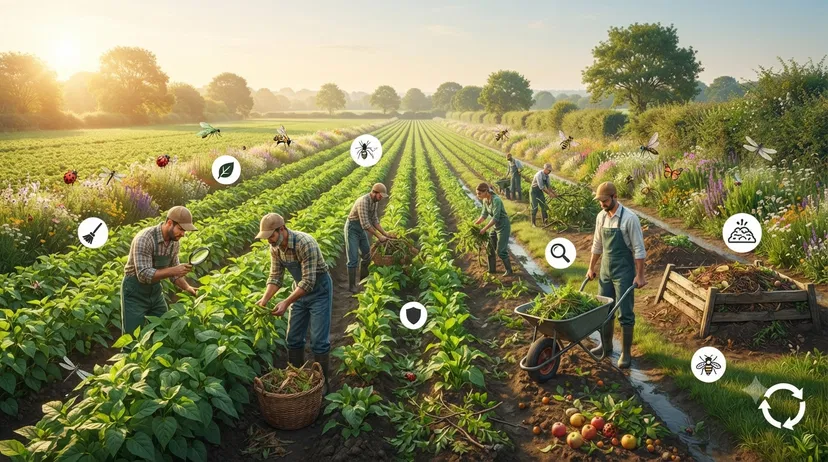
Capsicum farming can be highly profitable when you get the basics right from day one. Healthy seed selection, a well-managed nursery, balanced crop nutrition, and timely pest control all work together to produce strong plants and high-quality fruits. Whether you are growing capsicum in open fields or under protected cultivation, the right approach can make a major difference in yield, fruit size, color, and market value.
Choosing the Right Seed for Capsicum Farming
Everything starts with the seed. High-quality seed is the foundation of a successful capsicum crop. Poor seed quality leads to weak germination, uneven plant growth, and low productivity. Always choose certified seed from a trusted source, preferably from varieties or hybrids suited to your climate and market demand.
What to look for in capsicum seed
- High germination percentage for uniform crop establishment
- Disease-free seed to reduce early-stage losses
- Hybrid vigor for better yield and fruit quality
- Desired fruit type such as green, red, yellow, or blocky capsicum
- Climate suitability based on temperature and growing conditions
Before sowing, many growers treat seeds with biofungicides or approved seed treatments to reduce damping-off and other nursery diseases. Seed treatment helps protect young seedlings during the most vulnerable stage.
Nursery Management for Strong Capsicum Seedlings
A successful capsicum nursery is essential for uniform transplanting and healthy field performance. Since capsicum seeds are small and sensitive, nursery care should be precise and clean. The goal is to raise sturdy seedlings with a strong root system, thick stems, and 4–6 true leaves before transplanting.
Nursery preparation tips
- Prepare a raised nursery bed or use pro-trays for better drainage and disease control.
- Use a sterile growing medium such as cocopeat mixed with vermicompost or compost.
- Disinfect the nursery area to reduce fungal and bacterial infections.
- Sow seeds shallowly, about 0.5 cm deep, and cover lightly with fine medium.
- Maintain moisture through gentle watering, avoiding waterlogging.
Capsicum seeds usually germinate within 7–14 days depending on temperature and conditions. Ideal germination happens in warm, humid environments. After emergence, seedlings need good light exposure and protection from heavy rain, strong wind, and pests.
Seedling care in the nursery
- Water lightly and regularly to keep the medium moist, not soggy
- Apply a mild organic nutrient solution if seedlings appear weak
- Monitor daily for damping-off, aphids, whiteflies, and leaf spots
- Remove unhealthy seedlings immediately to prevent spread of disease
- Harden seedlings 5–7 days before transplanting by reducing watering gradually
Healthy nursery management reduces transplant shock and ensures better establishment in the main field.
Transplanting Capsicum Seedlings
Transplant seedlings when they are 25–35 days old or have developed enough true leaves and a strong root ball. Choose healthy seedlings only. Avoid transplanting during hot midday hours. Early morning or late afternoon is best for reducing stress.
Field spacing depends on crop type and growing system, but adequate spacing is important for airflow, sunlight penetration, and disease prevention. After transplanting, irrigate immediately to help seedlings settle into the soil.
Nutrition Management for High-Yield Capsicum
Capsicum is a nutrient-demanding crop. Balanced nutrition is critical for growth, flowering, fruit set, and fruit quality. Excess nitrogen may promote leafy growth but reduce flowering and fruiting, while nutrient deficiencies can cause poor yield and fruit deformities.
Essential nutrients for capsicum
- Nitrogen (N) supports vegetative growth
- Phosphorus (P) promotes root development and early growth
- Potassium (K) improves fruit quality, size, and stress tolerance
- Calcium helps prevent blossom-end rot and strengthens tissues
- Magnesium supports chlorophyll and photosynthesis
- Boron and micronutrients improve flowering and fruit setting
Soil testing is highly recommended before applying fertilizers. It helps determine the exact nutrient requirement and prevents overuse. Incorporating well-rotted farmyard manure, compost, or vermicompost improves soil structure and microbial activity.
Best nutrition practices
- Apply organic matter before transplanting to enrich the soil.
- Use basal fertilizer as per soil test recommendations.
- Split nitrogen and potassium applications during crop growth.
- Provide calcium and micronutrients through foliar sprays if deficiencies appear.
- Avoid over-fertilization, especially with nitrogen, during flowering and fruiting.
“Balanced nutrition is not about applying more fertilizer. It is about applying the right nutrients at the right time for the right crop stage.”
Visible nutrient deficiency signs should never be ignored. Yellowing leaves, poor fruit set, blossom-end rot, and stunted growth often point to nutrition-related issues that need immediate correction.
Irrigation and Crop Care
Capsicum plants require consistent moisture, especially during flowering and fruit development. Irregular irrigation can lead to flower drop, fruit cracking, and poor quality. Drip irrigation is one of the best methods for capsicum farming because it saves water, reduces weed growth, and delivers nutrients efficiently.
Mulching is also useful in capsicum production. It helps conserve moisture, control weeds, and maintain stable soil temperature. Regular weeding, staking if needed, and pruning of damaged leaves improve crop health and air circulation.
Pest Control in Capsicum Farming
Pests can damage capsicum plants quickly if not managed properly. The most common pests include aphids, thrips, whiteflies, mites, and fruit borers. These pests suck plant sap, spread viruses, and reduce fruit quality. Integrated pest management is the safest and most effective approach.
Common capsicum pests and their impact
- Aphids: Cause leaf curling and spread viral diseases
- Thrips: Damage flowers and leaves, reduce fruit quality
- Whiteflies: Suck sap and transmit viral infections
- Mites: Cause leaf bronzing and drying under hot conditions
- Fruit borers: Damage developing fruits and lower marketability
Integrated pest control strategies
- Start with clean seedlings to avoid introducing pests into the field.
- Use yellow and blue sticky traps to monitor and reduce flying insects.
- Maintain field hygiene by removing weeds and infected plant parts.
- Encourage natural enemies like ladybirds and parasitic wasps.
- Use neem-based products or other bio-based controls where appropriate.
- Apply recommended pesticides only when necessary and rotate active ingredients to prevent resistance.
Regular scouting is essential. Check the underside of leaves, flowers, and young fruits at least twice a week. Early detection makes pest control easier and cheaper.
Disease Prevention in Capsicum Farming
Although pests are a major concern, diseases can also reduce yield significantly. Common problems include damping-off, powdery mildew, leaf spots, bacterial wilt, and viral diseases. Good nursery sanitation, crop rotation, and proper spacing help reduce disease pressure.
To keep the crop healthy:
- Avoid excess moisture around the root zone
- Do not overcrowd plants
- Remove diseased plants promptly
- Disinfect tools and nursery trays regularly
- Rotate crops to break pest and disease cycles
Harvesting Capsicum for Best Market Value
Capsicum can be harvested at the green mature stage or when fully colored, depending on market demand and variety. Harvest fruits carefully using clean tools to avoid plant injury. Frequent picking encourages more fruit production and helps maintain quality.
Handle harvested capsicum gently, as bruising reduces shelf life and market price. Proper grading, sorting, and packaging further improve returns for growers.
Conclusion
Successful capsicum farming depends on a complete system: quality seed, healthy nursery practices, precise nutrition, and effective pest control. When each stage is managed well, plants grow vigorously and produce clean, attractive, high-value fruits. Focus on prevention, monitoring, and balanced crop care rather than waiting for problems to spread.
If you want better yields and stronger profits from capsicum farming, start with the basics and manage every stage with consistency. Healthy plants always begin with smart decisions.