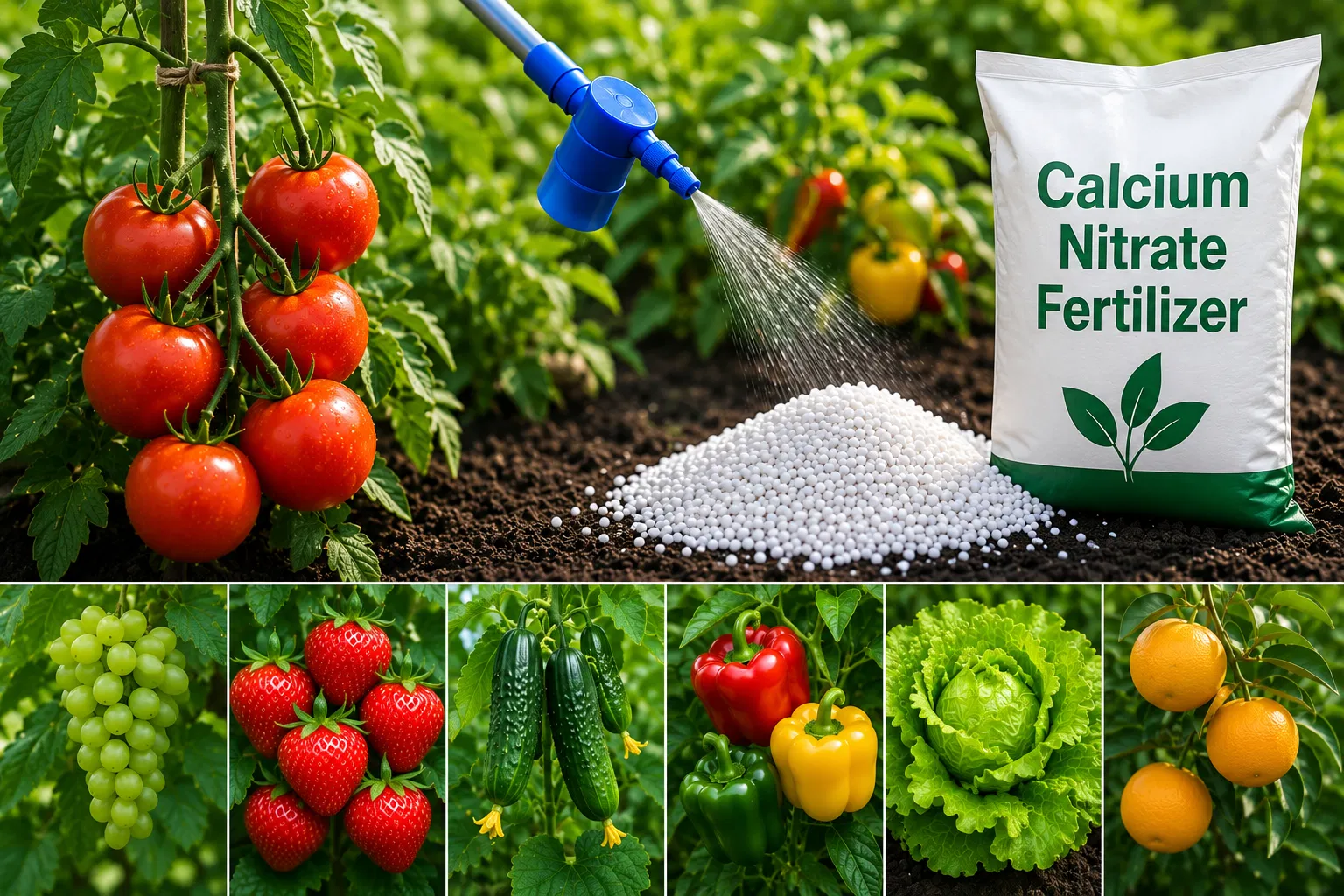
If your tomatoes keep developing blossom-end rot, your lettuce looks weak, or your fruit trees are producing poor-quality harvests, the problem may be calcium deficiency. One of the fastest and most effective ways to correct it is with calcium nitrate fertilizer. This water-soluble fertilizer supplies two essential nutrients at once—calcium and nitrogen—making it a powerful option for improving growth, yield, and produce quality in fruits and vegetables.
Whether you grow in a home garden, raised beds, greenhouse, or commercial field, understanding calcium nitrate fertilizer uses for fruits and vegetables can help you grow healthier plants and better harvests. Here’s how it works, when to use it, and why it matters.
What Is Calcium Nitrate Fertilizer?
Calcium nitrate is a highly soluble fertilizer that contains both calcium and nitrogen. The calcium supports cell wall development, root strength, and fruit quality, while the nitrogen promotes vigorous leaf and stem growth. Because it dissolves quickly in water, it is commonly used in fertigation, foliar feeding, and soil application.
This fertilizer is especially useful for crops that need steady calcium supply during fast growth and fruit development. Unlike some other calcium sources, calcium nitrate provides nutrients in a form plants can absorb quickly.
Why Calcium Nitrate Matters for Fruits and Vegetables
Calcium is essential for plant structure and health. It helps build strong cell walls, supports root development, and improves the integrity of fruits and vegetables after harvest. When calcium is lacking, plants often show symptoms such as:
- Blossom-end rot in tomatoes, peppers, and squash
- Tip burn in lettuce and leafy greens
- Weak stems and poor root growth
- Cracked, soft, or low-quality fruit
- Reduced shelf life after harvest
Nitrogen is equally important, but in calcium nitrate it is supplied in a nitrate form that plants can use efficiently. This makes it ideal for crops that need a quick nutrient boost without the drawbacks of some other fertilizers.
Best Calcium Nitrate Fertilizer Uses for Fruits and Vegetables
1. Preventing Blossom-End Rot
Blossom-end rot is one of the most common calcium-related issues in fruiting crops. Tomatoes, peppers, eggplants, cucumbers, and squash are especially vulnerable. Calcium nitrate helps supply calcium during fruit development, reducing the chance of dark, sunken spots forming at the bottom of fruit.
Best use: Apply before symptoms appear, especially during flowering and early fruit set.
2. Supporting Leafy Green Growth
Leafy vegetables such as lettuce, spinach, kale, and cabbage benefit from calcium nitrate because it promotes healthy leaf expansion while helping reduce tip burn and tissue breakdown. Since these crops grow rapidly, they need consistent nutrient availability.
Best use: Use during active vegetative growth and repeat as needed in nutrient programs.
3. Improving Fruit Quality and Shelf Life
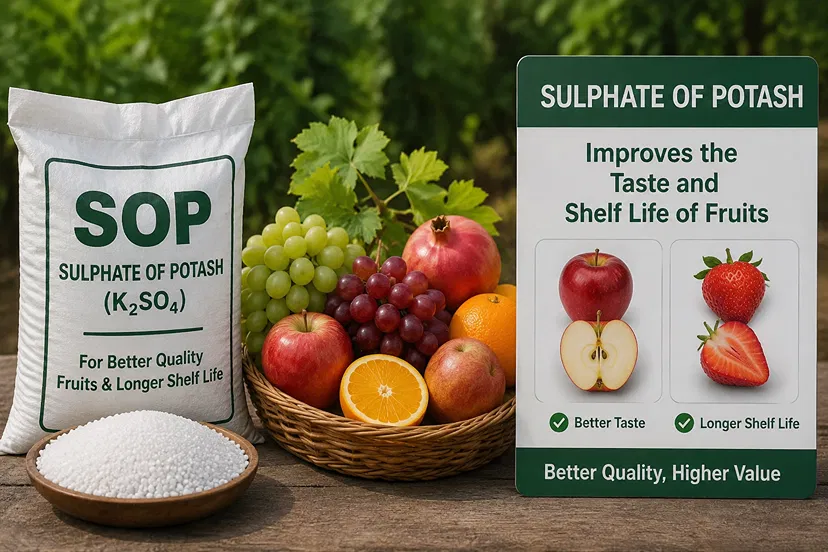
Calcium strengthens cell walls, which helps fruits remain firmer, less likely to crack, and better able to withstand transport and storage. This is especially valuable for strawberries, melons, apples, grapes, and citrus.
Best use: Apply during fruit sizing and development for better texture and postharvest quality.
4. Boosting Root and Plant Vigor
Young vegetable transplants and fruit trees need strong root systems to establish quickly. Calcium nitrate provides both calcium and nitrate nitrogen, helping plants develop stronger roots and healthier new growth.
Best use: Apply early in the season to support establishment and early growth.
5. Correcting Nutrient Deficiencies Quickly
When plants show signs of calcium or nitrogen stress, calcium nitrate can deliver a rapid correction. Because it is water-soluble, it is often used when quick nutrient uptake is needed.
Best use: Use as a targeted soil drench or fertigation input when deficiency symptoms appear.
How to Apply Calcium Nitrate Fertilizer
The best application method depends on your crop type, growing system, and urgency of the nutrient need. Common methods include:
- Soil application: Spread around the root zone and water in well.
- Fertigation: Inject into drip irrigation systems for consistent nutrient delivery.
- Foliar spray: Apply diluted solution directly to leaves for quicker absorption.
For fruits and vegetables, fertigation is often the most efficient method because it delivers nutrients directly to the root zone in small, controlled amounts. Foliar feeding can help when crops show visible deficiency or when soil uptake is limited, but it should be used carefully to avoid leaf burn.
When to Use Calcium Nitrate in the Growing Season
Timing is critical for getting the best results. Calcium nitrate works best when applied during periods of active growth and high nutrient demand.
- At transplanting: Helps young plants establish stronger roots
- During vegetative growth: Supports stems, leaves, and overall plant vigor
- At flowering: Helps prepare plants for fruit set
- During fruit development: Reduces calcium-related disorders and improves fruit quality
For many crops, regular smaller applications are better than one large dose. This helps maintain consistent nutrient availability and reduces the risk of nutrient leaching.
Which Fruits and Vegetables Benefit Most?
Many crops respond well to calcium nitrate fertilizer, but some benefit more than others. These include:
- Tomatoes
- Peppers
- Eggplants
- Cucumbers
- Zucchini and squash
- Lettuce
- Spinach
- Strawberries
- Apples
- Melons
- Grapes
- Citrus
These plants often have a strong need for calcium during rapid growth, flowering, and fruiting. In soils with poor calcium availability or irregular moisture, calcium nitrate can make a noticeable difference.
Important Tips for Better Results
To get the most from calcium nitrate fertilizer, keep these best practices in mind:
- Maintain even watering: Calcium moves with water, so inconsistent moisture can limit uptake.
- Do not overuse nitrogen: Too much nitrogen may encourage leafy growth at the expense of fruit production.
- Test your soil: A soil test helps identify whether calcium is truly deficient.
- Apply at the right stage: Early and consistent feeding is more effective than waiting for symptoms.
- Avoid mixing with incompatible fertilizers: Some phosphate or sulfate products can reduce effectiveness in solution.
Tip: Calcium deficiency often happens not because calcium is absent in the soil, but because the plant cannot move it efficiently. That’s why proper watering and timing matter as much as fertilization.
Common Mistakes to Avoid
Even a good fertilizer can cause problems if used incorrectly. Avoid these common mistakes:
- Applying calcium nitrate too late, after damage has already started
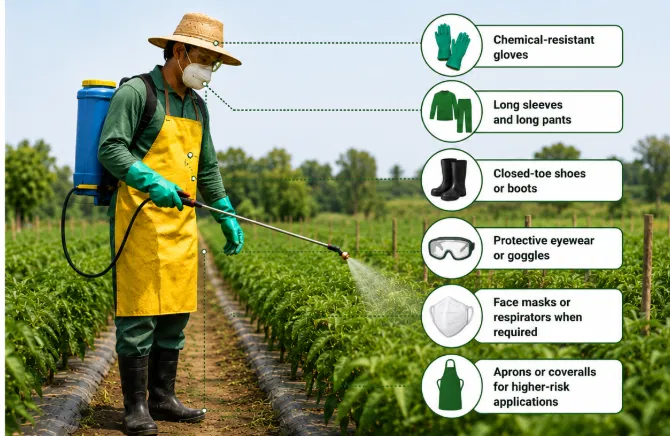
- Using too strong a foliar spray and burning leaves
- Ignoring pH and irrigation issues that limit nutrient uptake
- Relying on calcium nitrate alone without a balanced fertilizer program
- Applying during very hot, dry conditions without enough water
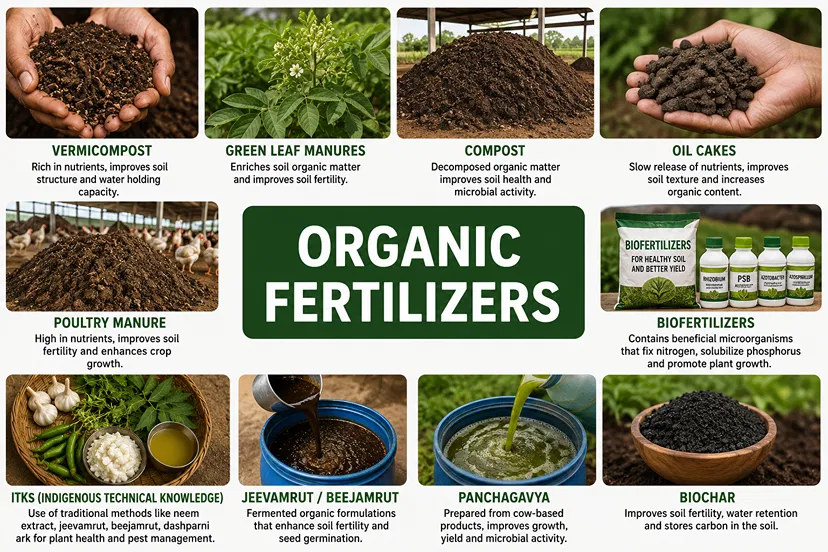
Remember, calcium nitrate is most effective as part of a complete nutrient management plan that includes water, organic matter, and balanced fertilization.
Conclusion
Calcium nitrate fertilizer is one of the most valuable tools for growers focused on healthy fruits and vegetables. It helps prevent blossom-end rot, improves fruit firmness, supports leafy growth, strengthens roots, and promotes better overall crop quality. When used at the right time and in the right way, it can transform plant performance and harvest results.
If you want healthier crops and more productive harvests, make calcium nitrate part of your fertilizer strategy. Start with a soil test, apply it during key growth stages, and keep moisture levels consistent for the best possible results.