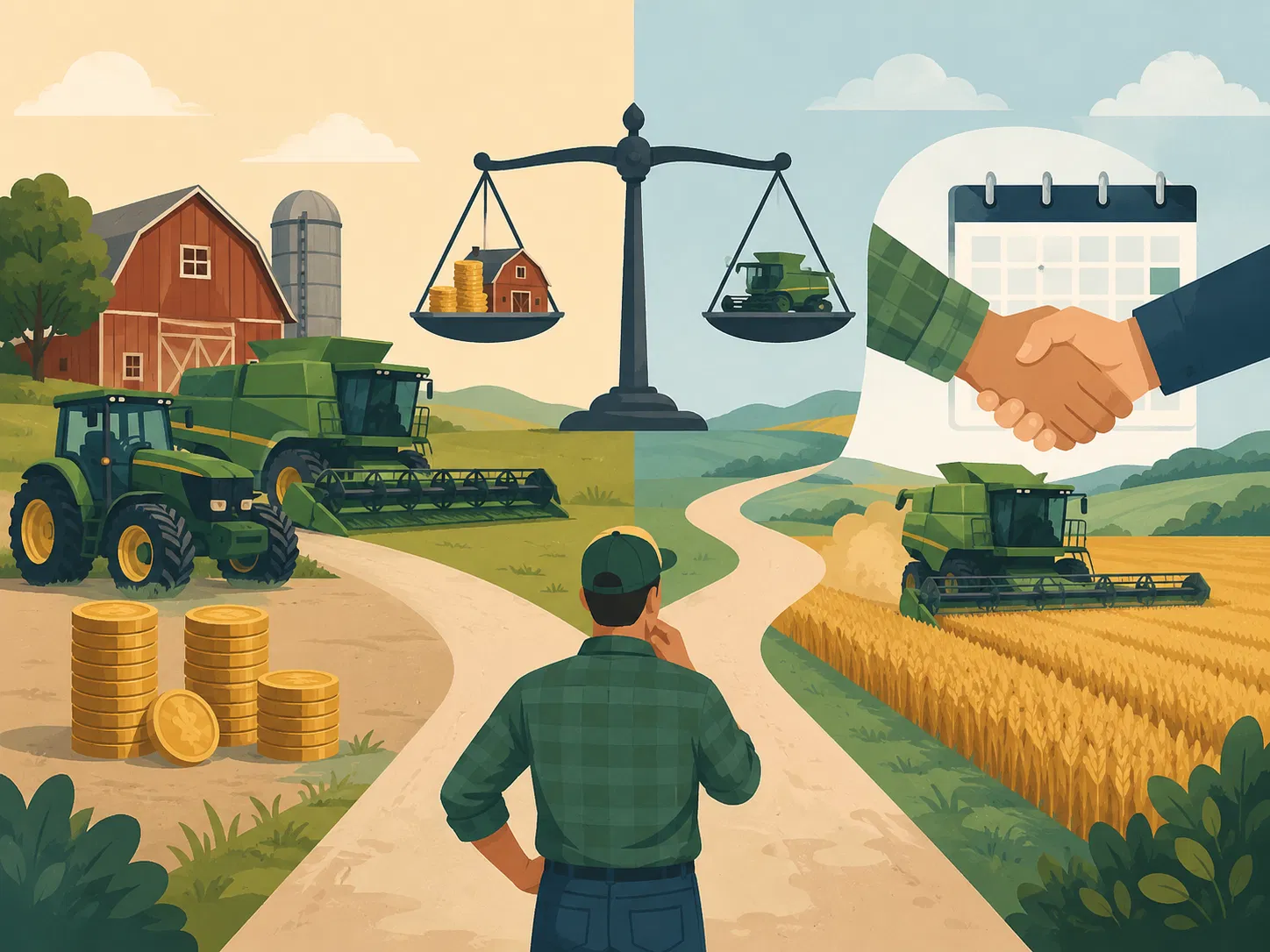
Farm machinery is one of the biggest investments a grower can make, and the buy-versus-rent decision can shape cash flow, profitability, and long-term efficiency. Whether you run a small family farm or manage a larger operation, choosing the right equipment strategy can mean the difference between tying up capital and staying flexible. The real question is not just which option is cheaper, but which one makes the most financial sense for your acreage, workload, and growth plans.
Why the Buy vs Rent Farm Machinery Decision Matters
Tractors, combines, planters, balers, sprayers, and tillage equipment all come with major upfront costs. Buying gives you control and availability, while renting or leasing can reduce financial strain and maintenance responsibilities. The best choice depends on how often you use the machine, how quickly technology changes in your crop system, and whether downtime would hurt your operation.
For many farmers, the decision comes down to one core issue: cost per hour of use. If a machine sits idle most of the year, ownership may be expensive. If it is used heavily during tight planting or harvest windows, buying may deliver better long-term value.
When Buying Farm Machinery Makes Financial Sense
Buying farm equipment is often the better option when you need frequent access and long-term use. Ownership can be especially smart if the machine is essential to daily operations and likely to stay in service for many years.
Advantages of buying
- Lower long-term cost for high-use machinery
- Immediate availability during critical planting and harvest periods
- Full control over maintenance, upgrades, and customization
- Asset value that can be sold later
- Potential tax benefits depending on depreciation rules and local regulations
Buying often works best for equipment used every season, such as tractors or utility vehicles. If you rely on a machine for repetitive tasks, the cost can be spread over many years, which lowers the annual expense.
Hidden costs of ownership
Buying is not just about the purchase price. Owners also need to account for fuel, insurance, repairs, parts, storage, and depreciation. A machine that looks affordable upfront can become expensive if it requires frequent downtime or major repairs.
Tip: The true cost of owned equipment includes purchase price, maintenance, financing, depreciation, and resale value—not just the sticker price.
When Renting or Leasing Farm Machinery Is the Better Choice
Renting farm machinery can be a smart move when you need flexibility, occasional access, or a way to avoid large capital investments. It is especially useful for specialized equipment that is only needed for a short season or a few days per year.
Advantages of renting
- Lower upfront cost and less pressure on cash flow
- No long-term maintenance burden in many rental agreements
- Access to newer models and advanced technology
- Ideal for seasonal or one-time use
- Less storage and depreciation risk
Renting is often the best choice for farmers who need extra machinery during a busy season or to cover unexpected demand. It can also be a practical solution when testing a new type of equipment before committing to a purchase.
Potential drawbacks of renting
Although renting reduces ownership costs, it can become expensive if used repeatedly. Rental availability may also be limited during peak seasons, and the machine may not be exactly configured for your operation. In some cases, rental fees over several years can exceed the cost of ownership.
Buy or Rent Farm Machinery: A Cost Comparison Framework
To make the right decision, compare the total cost of each option over the expected period of use. A simple framework can help you evaluate the economics clearly.
Step 1: Estimate annual usage
Ask how many hours, days, or acres the machine will be used each year. A combine used heavily during harvest has a very different cost profile than a specialty sprayer used only occasionally.
Step 2: Calculate ownership costs
Include the following:
- Purchase price or loan payments
- Interest or financing costs
- Insurance
- Routine maintenance and repairs
- Fuel and operating costs
- Storage and depreciation
- Estimated resale value
Step 3: Calculate rental costs
Rental costs should include daily, weekly, or seasonal fees, delivery charges, insurance requirements, and any penalties for late return or damage. If the equipment is used often, multiply the rental rate by expected usage to see the annual total.
Step 4: Compare cost per acre or cost per hour
This is the most useful benchmark for farm machinery cost analysis. Divide the total annual cost by the number of acres covered or operating hours logged. The option with the lower cost per unit of work is usually the better financial choice.
Factors That Should Influence Your Decision
Cost matters, but it should not be the only factor. Several practical considerations can change the answer.
1. Size of your farm
Smaller farms often benefit from renting because machinery may sit unused for long periods. Larger operations typically get more value from ownership because equipment is in near-constant use.
2. Seasonal demand
If you need a machine only during a narrow planting or harvest window, renting may prevent idle capital from sitting in the shed for most of the year.
3. Technology changes
Precision ag tools, GPS systems, and automated equipment evolve quickly. Renting can help you stay current without getting stuck with outdated machinery.
4. Maintenance capacity
If you have the skills, labor, and shop space to maintain equipment efficiently, ownership becomes more attractive. If repairs lead to delays and extra costs, renting may reduce risk.
5. Access to financing
Strong financing terms can make buying more affordable. If interest rates are high or capital is tight, renting may protect working capital for seed, feed, labor, and other priorities.
Examples of Common Farm Machinery Decisions
Different types of equipment often justify different strategies.
Tractors
Because tractors are used throughout the year, buying is often the more economical choice for active farms. A well-maintained tractor can deliver value over many seasons.
Combines
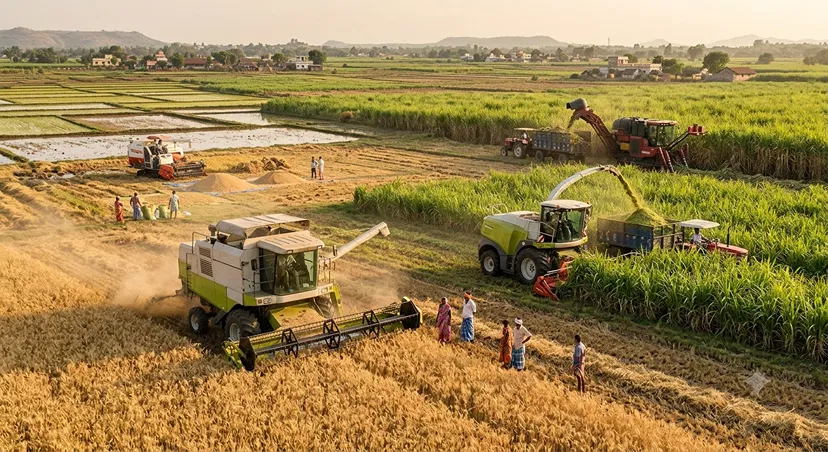
Combines are expensive and heavily seasonal. Farms with enough acreage usually justify ownership, but smaller growers may find renting or sharing more cost-effective.
Planters and sprayers
These machines are often needed for short but critical periods. Depending on acreage and timing, renting can be ideal if the equipment is not used often enough to justify ownership.
Specialized or backup equipment
For tools used rarely, renting is usually the smarter financial move. It avoids storage costs and reduces the risk of buying machinery that spends most of its life unused.
How to Make the Smartest Decision
The best approach is to base the buy-or-rent decision on total economics, not emotion or habit. Many farmers prefer owning because it feels secure, while others prefer renting because it keeps operations lean. The right answer depends on your usage rate, cash flow, and tolerance for maintenance risk.
Choose to buy farm machinery if:
- You will use it frequently
- Downtime would be costly
- You have the capital or financing to support ownership
- You want long-term asset value and control
Choose to rent farm machinery if:
- You need it only occasionally
- You want to preserve cash flow
- You prefer lower maintenance responsibility
- You want to access newer equipment without long-term commitment
Final Verdict: Buy or Rent Farm Machinery?
There is no one-size-fits-all answer. Buying farm machinery usually makes sense when the equipment will be used often, supports core operations, and can be kept productive for years. Renting is often the better choice for seasonal, specialized, or occasional needs where flexibility and lower upfront cost matter most.
The smartest farm equipment strategy is the one that delivers the lowest total cost per acre or per hour while supporting your operation’s cash flow and timing. Run the numbers carefully, compare your actual usage, and think beyond the purchase price. In many cases, the right answer is a mix of both: own the machines you use constantly, and rent the ones you need only when demand peaks.