Few garden pests are as frustrating as caterpillars chewing holes through leaves, flowers, and harvests overnight. If you want a natural caterpillar control method that works without harsh chemicals, Bacillus thuringiensis, commonly called Bt, is one of the most effective solutions available. This beneficial bacterium targets specific caterpillars while being gentle on people, pets, birds, and most beneficial insects.
Whether you're growing vegetables, ornamentals, or fruiting plants, Bt offers a smart, eco-friendly way to stop damage before it spreads. Here's how it works, when to use it, and why it's a go-to choice for organic pest control.
What Is Bacillus thuringiensis?
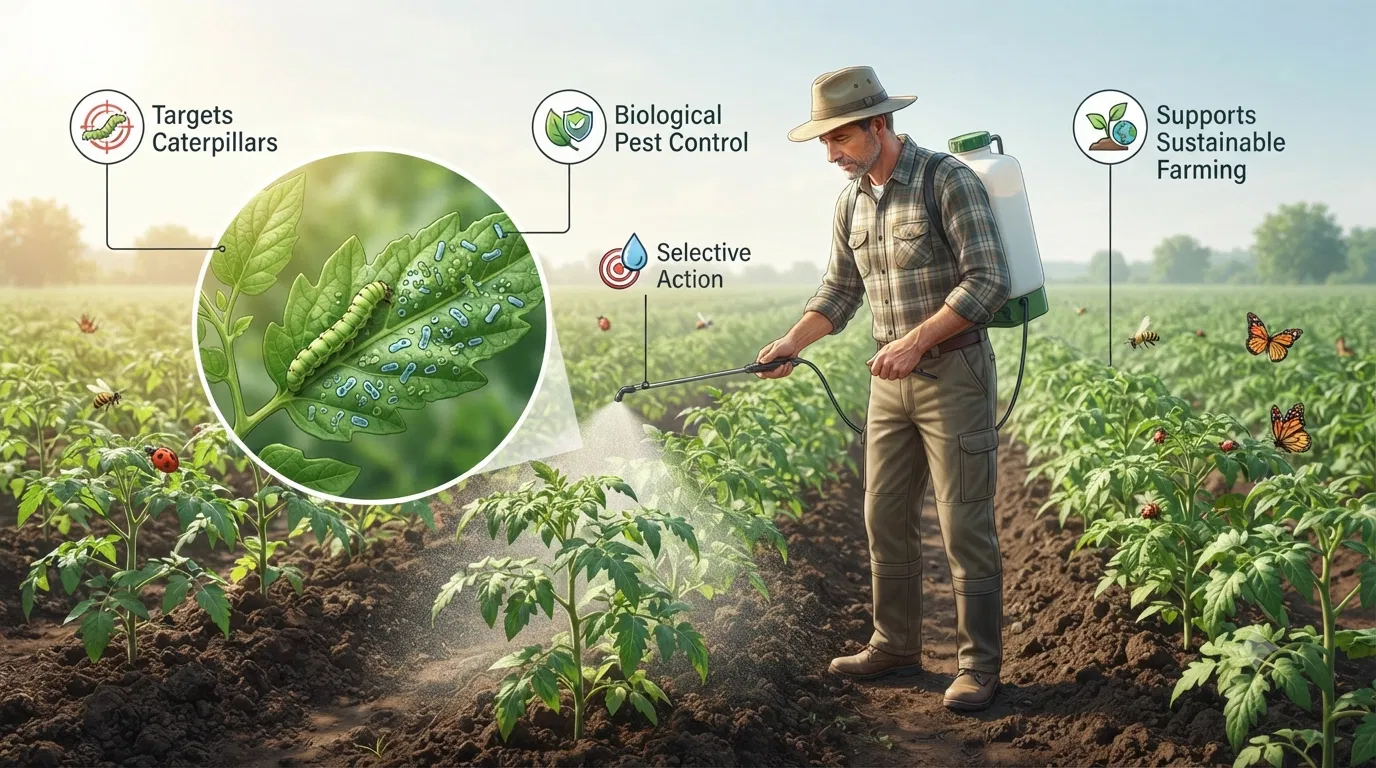
Bacillus thuringiensis is a naturally occurring soil bacterium that produces proteins toxic to certain insect larvae, especially caterpillars. When caterpillars eat treated plant material, the Bt toxins disrupt their digestive system, causing them to stop feeding and die soon after.
Bt is widely used in organic gardening and agriculture because it targets only specific pests. Unlike broad-spectrum insecticides, it does not kill everything it touches. That makes it a valuable tool for gardeners who want effective caterpillar control without harming the surrounding ecosystem.
How Bt Works Against Caterpillars
Bt must be eaten to work. Once a caterpillar consumes treated foliage, the proteins in Bt become active in its gut. The larva stops feeding almost immediately, and death follows within a few days.
This makes Bt especially useful for controlling:
- Tomato hornworms
- Cabbage worms
- Armyworms
- Loopers
- Webworms
- Many other leaf-eating caterpillars
Because Bt only affects insects with the right gut environment, it is considered highly selective. That selectivity is one of the biggest reasons it's trusted in organic pest management.
Why Bt Is a Popular Natural Caterpillar Control
Gardeners and farmers turn to Bt for several important reasons. It combines effectiveness with environmental safety, which is not always easy to find in pest control products.
1. It targets the problem pest
Bt is designed to affect specific caterpillar species, which means it helps preserve pollinators and beneficial insects like ladybugs and lacewings.
2. It fits organic growing practices
Many Bt products are approved for organic use, making them ideal for home gardeners and growers looking for certified natural solutions.
3. It reduces chemical exposure
Bt is a better option for those who want to avoid conventional insecticides in vegetable gardens, family yards, and food-producing landscapes.
4. It helps stop outbreaks early
Because Bt works quickly once ingested, it can prevent severe damage if applied as soon as caterpillars appear.
When to Use Bt for Best Results
Timing matters when using Bt. Since it works only when larvae eat treated leaves, it is most effective on young caterpillars before they cause heavy damage.
Use Bt when you notice:
- Small holes in leaves
- Visible caterpillars on plants
- Egg clusters that may hatch soon
- Fresh chewing damage on vegetables or ornamentals
Bt is less effective on large, older caterpillars because they often eat more and may tolerate exposure longer. For best results, apply Bt early and reapply as directed, especially after rain or heavy watering.
How to Apply Bt Properly
Successful caterpillar control with Bt depends on good coverage. The product must land on the plant surface where caterpillars feed.
- Read the label carefully. Different Bt formulations may vary in concentration and application rates.
- Mix if needed. Follow label instructions for liquid concentrates or wettable powders.
- Spray thoroughly. Cover the upper and lower sides of leaves, since caterpillars often feed from the underside.
- Apply in the evening. This helps protect Bt from rapid breakdown in sunlight.
- Reapply as needed. Rain, irrigation, and new plant growth can reduce coverage over time.
For best performance, make sure caterpillars are actively feeding. Bt will not work if the pests are hidden deep inside stems or not eating treated foliage.
Bt Safety and Environmental Benefits
One of the biggest advantages of Bt is its safety profile. It is widely considered low-risk for humans, pets, and wildlife when used according to label directions.
Bt is especially valued because it:
- Does not persist heavily in the environment
- Does not leave strong residues on crops
- Is much safer for beneficial insects than many chemical insecticides
- Supports integrated pest management strategies
That said, all pesticide products should still be handled carefully. Always follow label instructions, use proper protective practices, and store products securely.
Bt Strains and What They Target
Bt is not a single one-size-fits-all product. Different strains are used for different pests. For caterpillar control, the most common strain is Bt kurstaki, often labeled as Btk.
Other Bt strains are used for non-caterpillar insects, so choosing the correct product matters. If your goal is to control leaf-eating larvae, look for a formulation specifically labeled for caterpillars or worms.
Common Bt for caterpillars:
- Bt kurstaki — effective against many moth and butterfly larvae
- Bt aizawai — useful for certain resistant caterpillar species
Always match the product to the pest you want to control.
Best Plants and Situations for Bt Use
Bt is especially helpful in gardens where caterpillars commonly attack tender foliage and edible crops. It is often used on:
It's also a strong choice in situations where handpicking pests is difficult or where broad spraying would be too disruptive. For gardeners trying to protect pollinator-friendly landscapes, Bt offers an important middle ground between inaction and harsh chemical treatment.
Limitations of Bt
While Bt is highly useful, it is not perfect. Knowing its limits helps set realistic expectations and improves results.
- It only works when caterpillars eat it
- It may need frequent reapplication
- It is less effective on older larvae
- It can break down in sunlight and rain
- It does not control all garden pests
For best results, Bt should be part of a broader pest management plan. Combining it with regular monitoring, handpicking, row covers, and proper garden hygiene can greatly improve control.
Bt in Organic Pest Management
Bt is one of the cornerstone tools in organic pest control because it fits naturally into integrated pest management. It offers precision instead of blanket destruction, which is exactly what many gardeners want.
Used correctly, Bt can reduce caterpillar pressure while helping maintain a balanced garden ecosystem. That balance is especially important in food gardens, where protecting beneficial insects and soil health matters just as much as stopping pest damage.
Bt gives gardeners a targeted, natural way to stop caterpillars before they can destroy plants, making it one of the most valuable organic pest control tools available.
Conclusion: A Smart, Natural Solution for Caterpillar Damage
If caterpillars are chewing through your garden, Bacillus thuringiensis offers a proven natural solution. It is effective, selective, and well suited for organic caterpillar control on vegetables, flowers, and ornamental plants. With proper timing and application, Bt can stop feeding quickly and help protect your plants with minimal impact on the rest of your garden.
If you want healthier plants and a more sustainable approach to pest management, Bt is a powerful tool worth using. Watch for early signs of damage, apply it correctly, and combine it with good garden monitoring for the best long-term results.