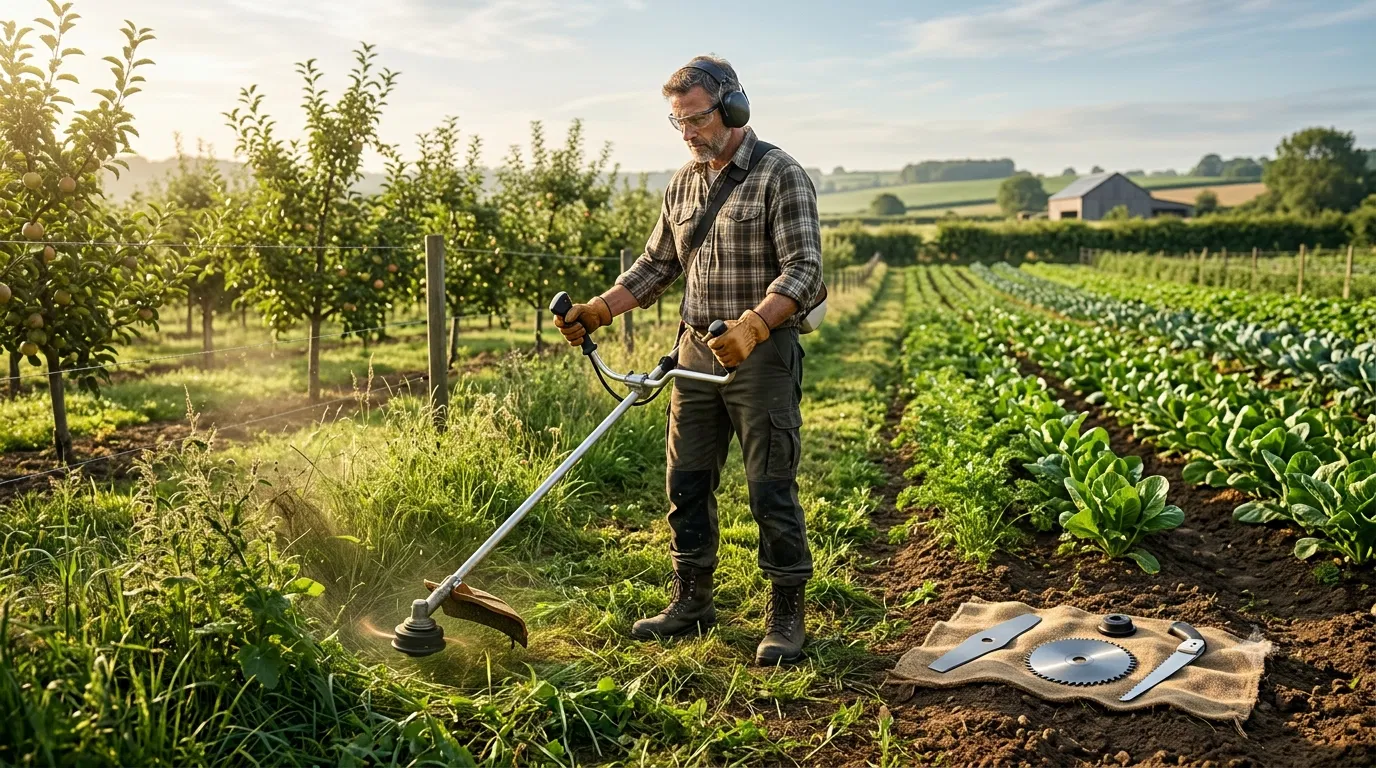
A brush cutter is one of the most versatile tools you can own for tackling overgrown grass, thick weeds, brush, and stubborn vegetation. Whether you’re maintaining a backyard, clearing a fence line, or managing a large property, the right brush cutter can save time, reduce effort, and deliver a cleaner finish than a standard trimmer.
But using a brush cutter effectively is about more than just power. Choosing the right attachment, knowing when to use it, and following essential safety tips all play a major role in getting the best results. In this guide, we’ll cover the most important brush cutter uses, the most common attachments, and the safety practices every operator should know.
What Is a Brush Cutter?
A brush cutter is a powerful cutting tool designed to handle vegetation that is too tough for a regular string trimmer. It can cut through dense grass, weeds, thick patches of brush, and even small saplings depending on the blade and machine type. Brush cutters are commonly available in gas-powered, electric, and battery-powered models, giving users options based on the size of the job and preferred handling.
Brush cutter use is especially popular among homeowners, landscapers, farmers, and property managers who need reliable performance in rough outdoor conditions.
Common Uses of a Brush Cutter
Brush cutters are built for more than just trimming grass. Their strength and flexibility make them useful in many outdoor maintenance tasks.
1. Clearing overgrown grass and weeds
One of the most common brush cutter uses is clearing areas where grass has grown too tall or thick for a standard mower or trimmer. This is useful along driveways, property edges, ditches, and neglected areas.
2. Cutting thick brush and light woody growth
When vegetation becomes dense with thorny shrubs, vines, and small saplings, a brush cutter with the proper blade can cut through it effectively. This makes it ideal for land clearing and trail maintenance.
3. Maintaining fence lines and boundaries
Brush cutters help keep fence lines clean and accessible by removing weeds and vegetation that can hide damage or interfere with repairs. They also improve visibility around property boundaries.
4. Managing roadside and ditch areas
Road edges and drainage ditches often collect tall weeds and brush. A brush cutter provides the reach and cutting power needed to keep these areas under control.
5. Landscaping and garden cleanup
For larger landscapes, brush cutters can be used to shape rough vegetation, remove invasive plants, and clean up overgrown corners where mowers cannot reach.
Brush Cutter Attachments and Their Uses
The performance of a brush cutter depends heavily on the attachment being used. Different attachments are designed for different types of vegetation and cutting conditions.
1. Nylon line trimmer head
This attachment is best for light grass, soft weeds, and edging work. It is similar to a regular string trimmer head, but when mounted on a brush cutter, it offers more control and durability for tougher trimming tasks.
2. Metal grass blade
A metal grass blade is useful for cutting thick grass, dense weeds, and tangled growth. It is a step up from nylon line and works well in areas that need more cutting power without going into heavy brush.
3. Brush knife or brush blade
This attachment is designed for thicker vegetation, including brush and woody stems. It is one of the most effective options for clearing rough land and unmanaged areas.
4. Circular saw blade
A saw blade is used for the toughest jobs, including cutting through small saplings and very dense growth. It offers aggressive cutting performance, but it should only be used by experienced operators following all safety guidelines.
5. Mulching or shredder attachments
Some brush cutters can be fitted with specialized shredding attachments that help break down cut material more efficiently. These are helpful for larger cleanup jobs where reducing debris is a priority.
The key to choosing the right brush cutter attachment is matching the blade to the job. Using a light attachment on heavy brush can damage the tool and make the work more difficult.
How to Choose the Right Brush Cutter Attachment
Before starting any job, consider the type of vegetation you are cutting. Light weeds do not require the same blade as thick saplings or thorny brush. Choosing the right attachment improves efficiency, extends tool life, and increases safety.
- For grass and soft weeds: Use a nylon line head or grass blade.
- For thick weeds and mixed vegetation: Use a metal grass blade or brush blade.
- For dense brush and saplings: Use a heavy-duty brush blade or saw blade if supported by your machine.
- For large cleanup jobs: Look for attachments that reduce clogging and improve debris handling.
Always check your brush cutter’s manual to confirm which attachments are compatible with your model.
Essential Brush Cutter Safety Tips
Because brush cutters use powerful rotating blades, safety should always come first. Proper preparation and careful handling help prevent injuries and equipment damage.
1. Wear the right protective gear
Personal protective equipment is non-negotiable when operating a brush cutter. At a minimum, wear:
- Safety glasses or a face shield
- Long pants and long sleeves
- Heavy-duty gloves
- Sturdy, closed-toe boots
- Hearing protection
2. Inspect the tool before use
Before starting, check the blade, guard, handle, harness, and fasteners. Make sure there are no loose parts or visible damage. A quick inspection can prevent accidents and mechanical failures.
3. Clear the work area
Remove rocks, loose wire, glass, and other debris from the area. Brush cutters can launch objects at high speed, creating serious hazards if the work zone is not properly cleared.
4. Maintain a firm stance
Hold the brush cutter with both hands and keep your feet balanced. Avoid overreaching or working on unstable ground whenever possible. Good footing helps you control the machine and reduce fatigue.
5. Keep bystanders away
No one should stand near the cutting area while the brush cutter is in use. Flying debris can travel farther than expected, especially when using metal blades.
6. Cut at the correct angle
Use smooth, controlled movements and keep the blade at the proper angle for the material being cut. Forcing the tool through heavy growth can cause kickback or strain the motor.
7. Shut off the machine before making adjustments
Never change blades, clear jammed material, or inspect the cutting head while the tool is running. Turn it off completely and wait for all movement to stop.
8. Avoid fatigue and take breaks
Brush cutter work can be physically demanding. Fatigue reduces focus and increases the risk of mistakes, so take regular breaks, especially during long jobs or hot weather.
Brush Cutter Maintenance Tips
Regular maintenance keeps your brush cutter performing well and extends its lifespan. A well-maintained machine is also safer to use.
- Clean the cutting head after each use
- Check and tighten fasteners regularly
- Sharpen or replace blades when they become dull
- Inspect the air filter, spark plug, or battery system as needed
- Store the brush cutter in a dry, secure place
If the blade vibrates excessively, cuts poorly, or makes unusual noises, stop using the tool and inspect it before continuing.
Why Brush Cutter Uses Matter
Understanding brush cutter uses and attachments helps you work smarter, not harder. Instead of relying on one setup for every job, you can choose the right tool configuration for the vegetation in front of you. That means cleaner cuts, better safety, and less wear on your equipment.
For homeowners, a brush cutter can turn a weekend cleanup project into a manageable task. For professionals, it can improve productivity and deliver more precise results across different types of terrain.
Conclusion
A brush cutter is a powerful solution for cutting through grass, weeds, brush, and small woody growth. When you understand the main brush cutter uses, select the right attachments, and follow essential safety tips, you can work more efficiently and confidently on nearly any outdoor clearing task.
Whether you are maintaining a yard, clearing a property line, or managing overgrown land, the right brush cutter setup makes all the difference. Choose the correct attachment, wear proper protection, and keep your equipment in top condition for the best results every time.
Ready to take on tough overgrowth? Start by matching your brush cutter and attachment to the job, and you’ll be prepared to handle outdoor maintenance with greater safety and control.