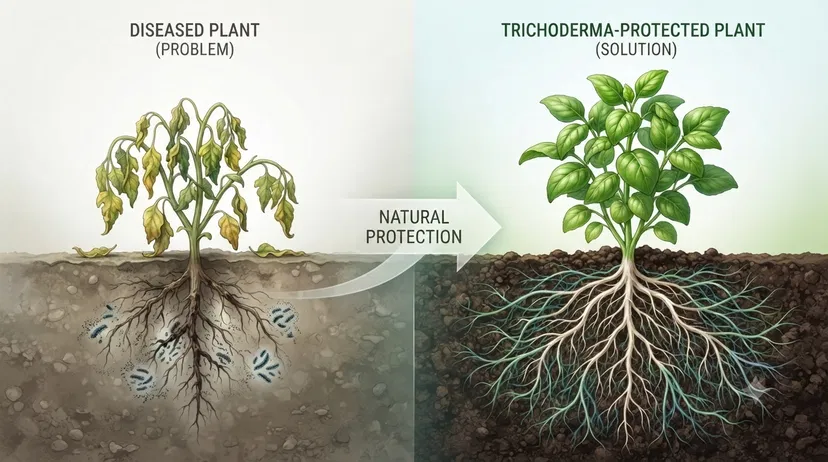
Healthy crops start below the surface. In the early crop stage, strong root development determines how well plants absorb water, access nutrients, and handle stress later in the season. If roots are weak, growth slows down, yields can suffer, and plants become more vulnerable to drought, disease, and poor soil conditions. That is why choosing the best fertilizer for root growth during early crop stage is one of the most important decisions a grower can make.
The right fertilizer at this stage should support root expansion without pushing too much top growth too soon. It should provide balanced nutrition, encourage vigorous root branching, and help seedlings establish quickly. In this guide, you’ll learn which nutrients matter most, what fertilizer types work best, and how to apply them for the strongest possible start.
Why Root Growth Matters in the Early Crop Stage
During the first few weeks after planting, crops are focused on establishing their root systems. This is the foundation for the entire growing cycle. A strong root system helps plants:
- Absorb water more efficiently
- Take up key nutrients from the soil
- Anchor securely in the ground
- Recover faster from transplant shock
- Withstand heat, drought, and other stress
When root development is strong early on, plants are better prepared for rapid vegetative growth later. That means better uniformity, improved nutrient use, and often stronger yield potential.
What Nutrients Support Root Growth Best?
Not all fertilizer nutrients are equally important for root development. Some are especially valuable during the early crop stage because they stimulate root elongation, branching, and energy transfer.
1. Phosphorus
Phosphorus is one of the most important nutrients for early root development. It supports energy transfer in the plant, encourages root initiation, and helps seedlings establish faster. A fertilizer with available phosphorus is often the top choice for early-stage crops.
Phosphorus is especially useful in cool soils, where root growth can slow down. It helps young plants build a stronger underground structure before above-ground growth accelerates.
2. Nitrogen
Nitrogen is essential for plant growth, but too much nitrogen early can create lush top growth at the expense of root development. A moderate amount is usually best during the early stage. The goal is to support steady growth without overwhelming the plant.
Look for balanced fertilizers that include nitrogen but do not overdo it. In many cases, excessive nitrogen can reduce the plant’s focus on rooting.
3. Potassium
Potassium helps regulate water movement, enzyme activity, and stress tolerance. While it is not the primary root-building nutrient, it plays an important supporting role. Adequate potassium helps plants establish stronger roots and improves overall resilience.
4. Micronutrients
Micronutrients such as zinc, manganese, iron, and boron can also support early root growth. These nutrients help with enzyme function, cell development, and nutrient uptake. Even small deficiencies can slow down root establishment, so a complete fertilizer or soil amendment may be beneficial.
Best Fertilizer Types for Early Root Growth
The best fertilizer for root growth during early crop stage depends on crop type, soil condition, and application method. However, some fertilizer forms are consistently effective.
Starter Fertilizer
Starter fertilizers are specifically designed for young plants and transplants. They often contain a higher level of phosphorus relative to nitrogen and potassium. This makes them ideal for promoting early root establishment.
Starter fertilizer is commonly used at planting time or shortly after transplanting. It helps seedlings get off to a fast, strong start.
Balanced Granular Fertilizer
A balanced granular fertilizer can work well in soils that already contain adequate phosphorus. Products with a moderate N-P-K ratio provide steady nutrition while supporting both root and shoot growth. This option is useful when soil tests show a need for general fertility support rather than a heavy phosphorus boost.
Liquid Fertilizer
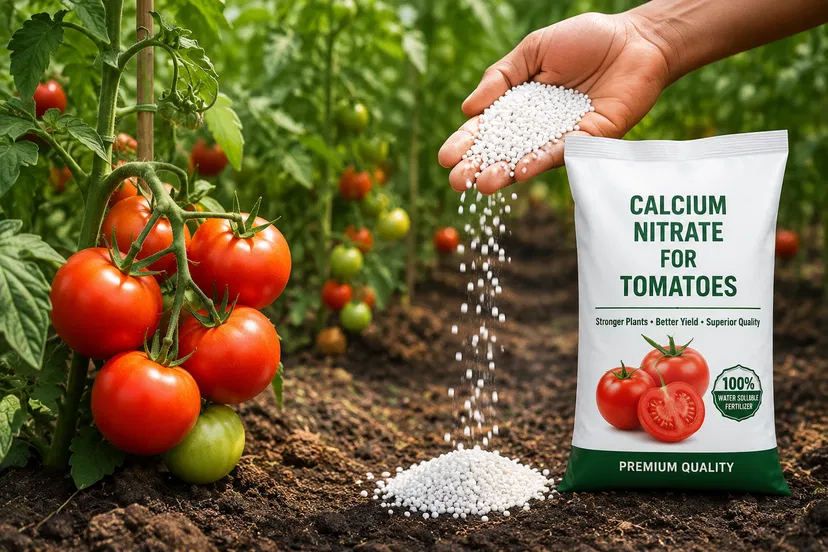
Liquid fertilizers are absorbed quickly and can be useful when plants need a fast nutrient response. They are often applied through fertigation or as a soil drench. For early-stage crops, liquid formulations can help correct nutrient shortages and give roots access to nutrients right away.
Organic Fertilizers
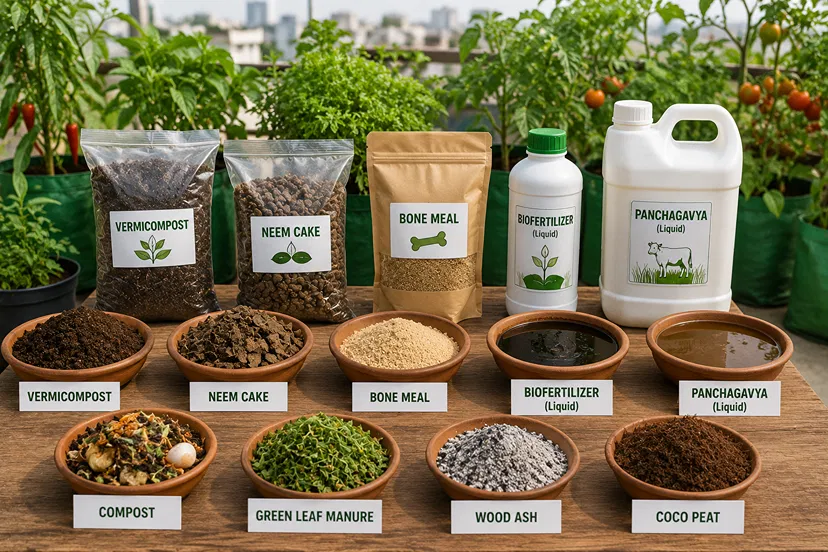
Organic options such as compost, fish emulsion, bone meal, and manure-based amendments can support root growth while improving soil structure. Organic fertilizers release nutrients more slowly, which can be beneficial for steady early development. They also help build healthier soil biology over time.
If your goal is long-term soil health along with root support, organic inputs can be a strong choice.
What Makes the Best Fertilizer for Root Growth During Early Crop Stage?
The ideal fertilizer for early root growth should have these qualities:
- Enough phosphorus to promote root initiation
- Moderate nitrogen to avoid excessive leaf growth
- Potassium for stress tolerance and water regulation
- Important micronutrients for healthy cell development
- A form that matches your soil and application method
In many cases, a fertilizer labeled as a starter fertilizer is the best answer. These formulas are created specifically to encourage root growth during the early crop stage.
How to Choose the Right Fertilizer for Your Crop
The best fertilizer depends on more than just the label. To make the right choice, consider the following factors:
- Soil test results – Test your soil before planting to understand existing nutrient levels.
- Crop type – Different crops have different nutrient needs in the early stage.
- Soil temperature – Cold soils may reduce phosphorus availability and increase the need for starter fertilizer.
- Application method – Decide whether you need granular, liquid, banded, or broadcast fertilizer.
- Growth goals – If your priority is strong roots, choose a product that supports root establishment rather than rapid foliage growth.
For many growers, the smartest strategy is to combine a soil test with a starter fertilizer plan. This reduces guesswork and improves nutrient efficiency.
How to Apply Fertilizer for Better Root Development
Application method matters as much as fertilizer choice. Even the best fertilizer will underperform if it is placed incorrectly or applied at the wrong time.
Band Placement
Placing fertilizer near the seed or root zone, but not directly in contact with the seed, helps young roots access nutrients quickly. This is a common and effective way to apply starter fertilizer.
At Planting
Applying fertilizer at planting gives young crops immediate access to nutrients. This is often the most effective timing for encouraging early root growth.
Light, Consistent Feeding
Overfertilizing can damage seedlings and slow root development. Use recommended rates and avoid high concentrations, especially with liquid fertilizers. Consistent, moderate feeding is usually better than a heavy one-time application.
Common Mistakes to Avoid
Many root growth problems come from fertilizer mistakes rather than poor seed quality. Avoid these common issues:
- Using too much nitrogen too early
- Ignoring soil test results
- Applying fertilizer too close to the seed
- Choosing a product with no phosphorus when roots need support
- Skipping micronutrients in depleted soils
One of the biggest mistakes is assuming more fertilizer always means better results. In early crop stages, balance is more important than volume.
Final Recommendation
The best fertilizer for root growth during early crop stage is usually a starter fertilizer with available phosphorus, moderate nitrogen, potassium support, and key micronutrients.
This type of fertilizer gives young plants what they need most: a strong root system, steady early nutrition, and a solid foundation for future growth. If you want the best results, start with a soil test, match the fertilizer to your crop’s needs, and apply it carefully at planting or transplanting time.
When roots are strong, the entire crop is stronger. Invest in early root development now, and you set the stage for healthier plants, better resilience, and improved yield potential later in the season.