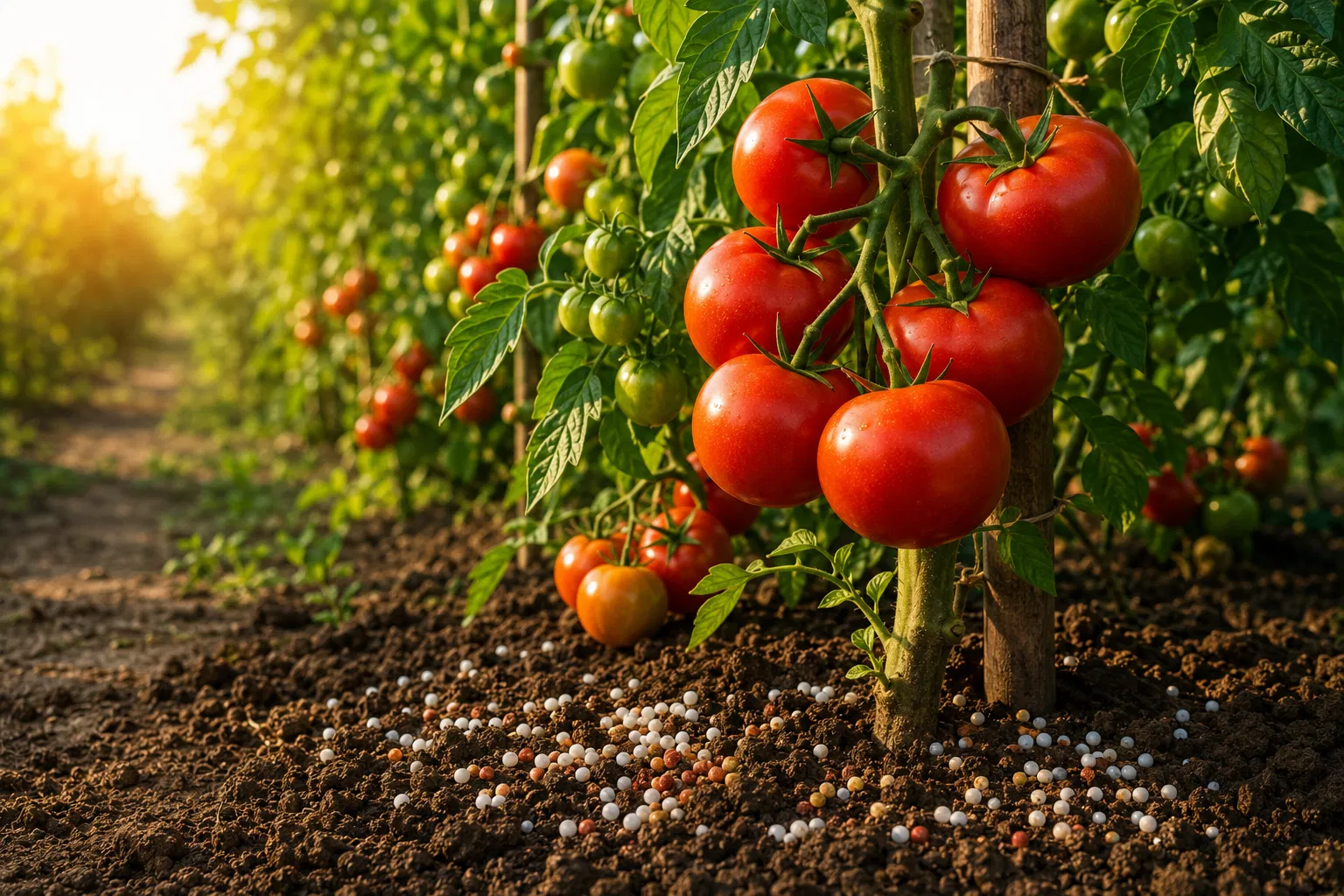
If you want bigger, better-looking fruit with richer flavor and stronger market value, fertilizer choice matters more than most growers realize. The right nutrients during fruit development can improve size, color, sugar content, firmness, and overall crop quality. The wrong balance, however, can lead to poor fruit set, weak growth, or disappointing harvests.
Why Fertilizer Matters During Fruit Development
Fruit development is one of the most nutrient-demanding stages in a plant's life. At this point, the plant is directing energy away from leaf and stem growth and into fruit formation, filling, and ripening. That means it needs a steady supply of key nutrients to support cell division, fruit enlargement, and quality formation.
The best fertilizer for fruit development is not a single product for every crop. Instead, it is a nutrient program that supplies the right balance of nitrogen, phosphorus, potassium, calcium, magnesium, and micronutrients at the right time.
Key Nutrients for Better Fruit Quality
Nitrogen: Use Carefully
Nitrogen supports vigorous vegetative growth, but too much during fruit development can reduce fruit quality. Excess nitrogen often leads to excessive leaf growth, delayed ripening, softer fruit, and lower sugar concentration.
Use nitrogen in moderation, especially once the plant begins setting and sizing fruit.
Phosphorus: Strong Root and Energy Support
Phosphorus helps with energy transfer, root development, and early reproductive growth. While it is especially important before and during flowering, adequate phosphorus also supports fruit set and early fruit development.
Potassium: The Most Important Fruit-Filling Nutrient
Potassium is one of the most important nutrients for fruit development and crop quality. It helps regulate water movement, sugar transport, enzyme activity, and fruit sizing. Crops with enough potassium often produce fruit that is sweeter, more colorful, firmer, and more uniform.
If you are looking for the single most valuable nutrient for fruit quality, potassium is often the answer.
Calcium: Strengthens Fruit Structure
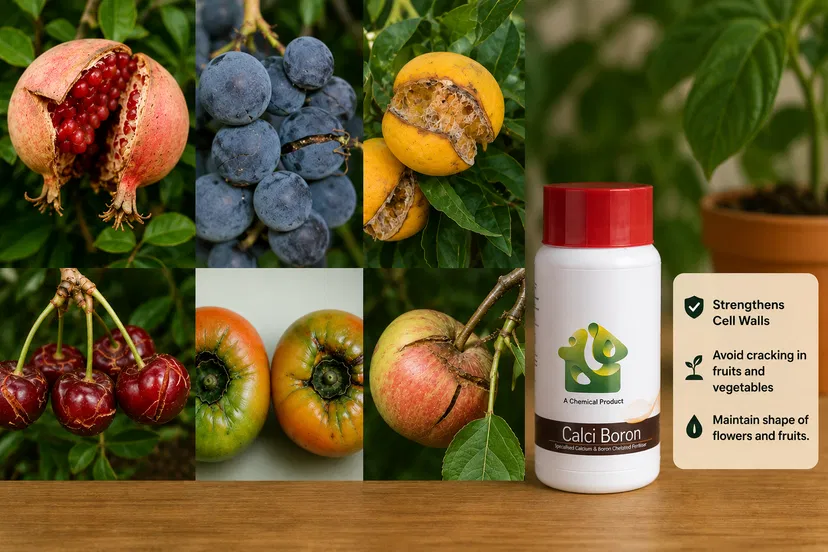
Calcium supports cell wall strength and helps reduce problems like fruit softening, cracking, and disorders such as blossom end rot in tomatoes and peppers. It is especially important for maintaining firmness and storage quality.
Magnesium: Supports Photosynthesis
Magnesium is a core part of chlorophyll and helps the plant produce energy through photosynthesis. Better photosynthesis means more carbohydrates available for fruit filling and quality development.
Micronutrients: Small Amounts, Big Impact
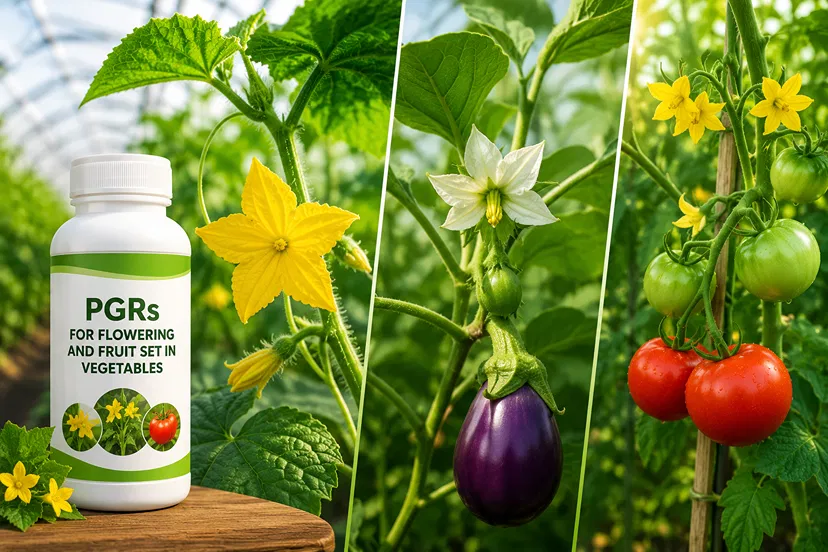
Micronutrients such as boron, zinc, iron, manganese, and copper play critical roles in flowering, pollination, fruit set, and nutrient movement. Even small deficiencies can reduce fruit quality and yield.
Best Fertilizer Type for Fruit Development
The best fertilizer for fruit development is usually a balanced program that shifts toward higher potassium and lower nitrogen after flowering begins. The exact formulation depends on the crop, soil conditions, and growth stage.
1. Balanced Fertilizer for Early Growth
Before flowering, a balanced fertilizer such as 10-10-10 or a similar complete blend can help establish healthy plants with strong roots and foliage. This early foundation is essential for later fruit production.
2. High-Potassium Fertilizer for Fruit Filling
Once fruit begins developing, switch to a fertilizer with more potassium than nitrogen. Products labeled for tomatoes, fruits, or blooms often contain this type of nutrient ratio. These fertilizers support sugar movement, fruit sizing, and improved quality.
3. Calcium-Enhanced Fertilizer
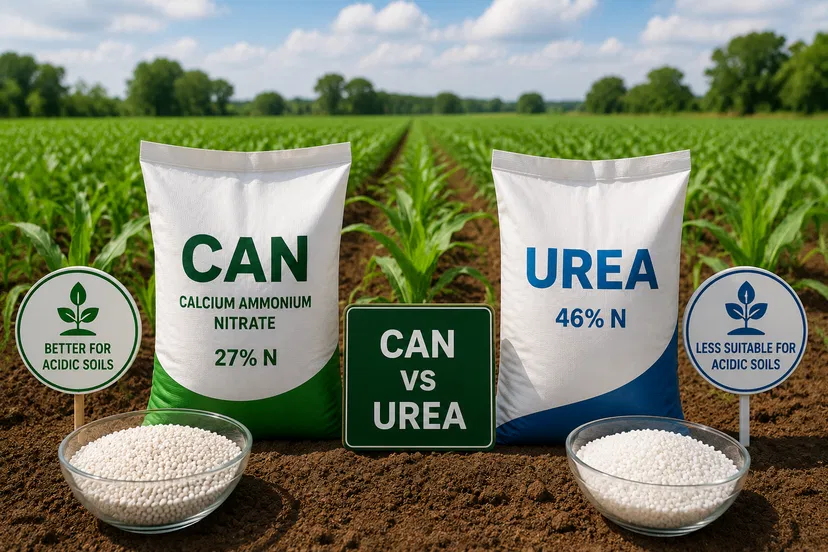
For crops prone to cracking or soft fruit, a calcium-rich fertilizer or supplement can be highly beneficial. Calcium nitrate is commonly used in many fruiting crops because it supplies both calcium and a controlled amount of nitrogen.
4. Organic Fertilizer Options
Organic growers can use compost, well-rotted manure, fish emulsion, bone meal, seaweed extract, and potassium-rich organic amendments like sulfate of potash-magnesia or kelp-based products. These help feed the soil while supporting healthy fruit development.
Tip: The best fertilizer is not always the strongest fertilizer. The right nutrient balance at the right time produces better fruit than overfeeding with one nutrient alone.
How to Fertilize for Better Crop Quality
Start With Soil Testing
A soil test is the smartest starting point. It tells you what nutrients are already present and helps you avoid unnecessary applications. Overfertilizing can reduce fruit quality just as easily as nutrient deficiency.
Apply Fertilizer at the Right Stage
Fruit crops have different nutrient needs at different stages:
- Pre-flowering: focus on root and vegetative growth
- Flowering: ensure enough phosphorus, boron, and other reproductive nutrients
- Fruit set and development: increase potassium and calcium
- Ripening: avoid heavy nitrogen applications
Use Split Applications
Instead of applying all fertilizer at once, split applications provide nutrients steadily over time. This improves nutrient uptake, reduces leaching, and helps plants maintain balanced growth throughout the fruiting period.
Water Consistently
Even the best fertilizer cannot perform well without proper moisture. Inconsistent watering can cause fruit splitting, blossom end rot, poor nutrient uptake, and uneven fruit sizing. Steady irrigation is essential for quality crops.
Best Fertilizer Choices for Common Fruit Crops
Tomatoes
Tomatoes do best with moderate nitrogen early, followed by higher potassium and calcium during fruit set. A fertilizer made for tomatoes or vegetables often works well.
Strawberries
Strawberries need balanced nutrition early and careful nitrogen management later. Too much nitrogen can cause leafy plants with fewer berries. Potassium and calcium support sweeter, firmer fruit.
Citrus Trees
Citrus benefits from nitrogen for growth, but fruit quality improves with adequate potassium, magnesium, and micronutrients. Slow-release fertilizers are often ideal for steady feeding.
Apples and Pears
For tree fruit, potassium and calcium are especially important for fruit sizing, firmness, and storage life. Excess nitrogen should be avoided because it can reduce color and firmness.
Grapes
Grapes respond well to balanced nutrition with strong emphasis on potassium during fruit fill. Too much nitrogen can reduce berry quality and delay ripening.
Signs Your Crop May Need Better Fertilization
Watch for these common signs of nutrient imbalance during fruit development:
- Small or poorly filled fruit
- Poor color development
- Low sugar content or bland flavor
- Soft or easily damaged fruit
- Fruit cracking or blossom end rot
- Excessive leafy growth with limited fruiting
- Uneven ripening
These symptoms often point to nutrient problems, especially potassium, calcium, magnesium, or nitrogen imbalance.
Common Fertilizer Mistakes to Avoid
- Using too much nitrogen: This can reduce fruit quality and delay ripening.
- Skipping calcium: Low calcium often leads to weak fruit structure and storage issues.
- Ignoring soil tests: Guessing can lead to wasted fertilizer and poor results.
- Applying fertilizer too late: Nutrients must be available during active fruit filling.
- Forgetting water management: Nutrient uptake depends on consistent moisture.
Conclusion: The Best Fertilizer for Fruit Development
The best fertilizer for fruit development is one that supplies balanced nutrition early, then shifts toward higher potassium and adequate calcium during fruit sizing and ripening. For better crop quality, focus on nutrient timing, soil health, and steady water management rather than simply applying more fertilizer.
If your goal is sweeter, firmer, larger, and more marketable fruit, start with a soil test, choose a fertilizer that matches the crop stage, and feed with precision. The result is healthier plants and a better harvest you can see and taste.