Weather has become one of the biggest uncertainties in modern agriculture. One season may bring heavy rainfall and flooding, while the next delivers drought, heat stress, or unexpected frost. These changing conditions affect planting schedules, crop growth, soil health, and farm profitability. Fortunately, adopting the right farming practices for weather uncertainty can reduce risks, improve resilience, and protect long-term productivity.
Whether you manage a small farm or a large commercial operation, preparing for unpredictable weather begins with proactive planning. Rather than simply reacting to changing conditions, successful farmers build resilient production systems that continue performing under a wide range of weather scenarios.
Why Weather Uncertainty Requires a New Farming Approach
Traditional farming relied heavily on predictable seasonal weather patterns. Today, prolonged dry spells, intense storms, shifting frost dates, and extreme temperatures are becoming more common. These changes require flexible management strategies that improve the farm's ability to adapt.
Resilient farming combines healthy soils, diversified cropping systems, efficient irrigation, regular weather monitoring, and adaptive management practices to minimize weather-related risks.
1. Build Healthy Soil
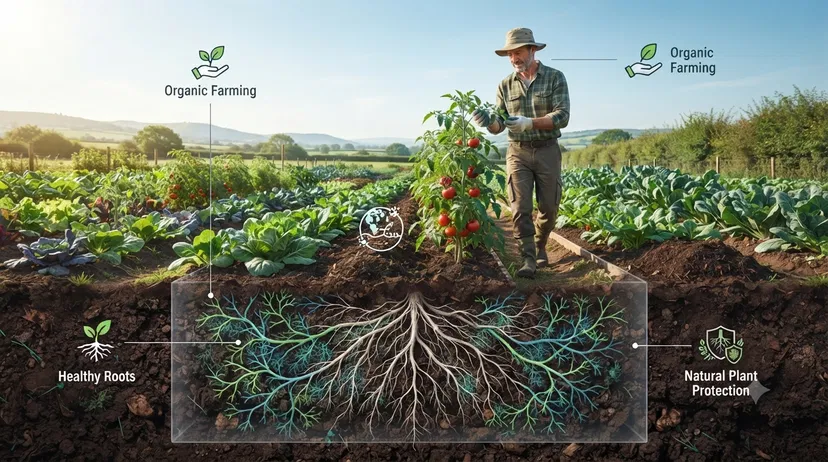
Healthy soil is one of the strongest defenses against unpredictable weather. Soils rich in organic matter store more moisture during drought while draining excess water more efficiently after heavy rainfall. Healthy soils also support stronger root development and improved nutrient availability.
Soil Management Practices
- Grow cover crops to reduce erosion and improve soil structure.
- Apply compost or organic matter regularly.
- Reduce unnecessary tillage to conserve moisture.
- Rotate crops to improve soil fertility and break pest cycles.
Balanced nutrition using appropriate fertilizers further strengthens crop resilience under changing weather conditions.
2. Select Weather-Resilient Crop Varieties
Crop varieties differ significantly in their tolerance to drought, flooding, heat, frost, and diseases. Selecting varieties adapted to local climatic risks helps improve yield stability during unpredictable seasons.
When choosing varieties, consider:
- Heat tolerance
- Drought resistance
- Flood tolerance
- Disease resistance
- Crop maturity period
- Local field performance
Growing multiple varieties can also reduce production risk by spreading weather-related losses.
3. Diversify Crops and Farm Income
Growing only one crop increases financial risk during adverse weather. Diversification spreads production risk across multiple crops, seasons, or enterprises.
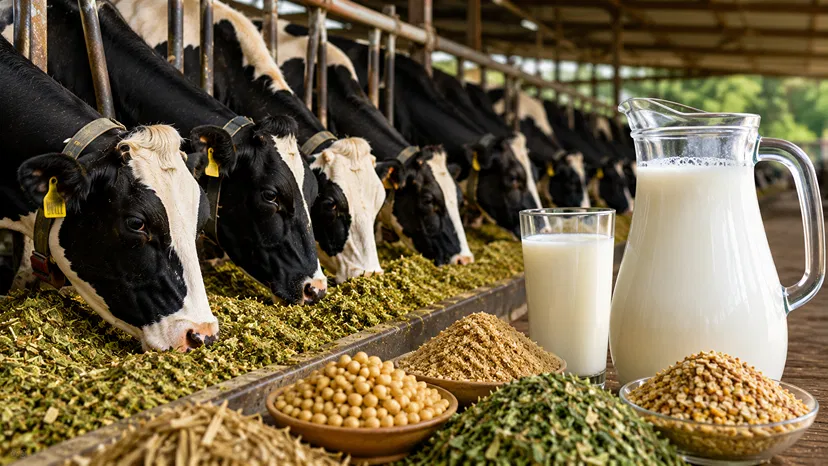
Many farms improve resilience by combining different crop species, integrating livestock, or developing additional income sources.
Farm resilience comes from flexibility. Diversification allows farms to recover more quickly when weather conditions become unfavorable.
4. Improve Water Management
Efficient water management becomes increasingly important as rainfall becomes less predictable.
Good practices include:
- Scheduling irrigation based on weather forecasts.
- Monitoring soil moisture regularly.
- Using drip irrigation where practical.
- Applying mulch to reduce evaporation.
- Harvesting and storing rainwater where feasible.
Avoid over-irrigation, which may increase disease pressure and reduce oxygen around plant roots.
5. Monitor Weather Forecasts Regularly
Modern weather forecasting tools help farmers make better operational decisions throughout the growing season.
Regular monitoring supports:
- Planting decisions.
- Irrigation scheduling.
- Harvest planning.
- Spray timing.
- Preparation for storms, frost, and high winds.
Even short-term weather forecasts can significantly improve field management decisions.
6. Adapt Field Management Practices
Field design and crop management can reduce exposure to weather-related damage.
Effective practices include:
- Installing windbreaks.
- Using raised beds in poorly drained fields.
- Applying mulch.
- Using row covers during frost events.
- Staggering planting dates.
- Improving field drainage.
These practices help reduce crop stress during both excessive rainfall and drought.
7. Strengthen Pest and Disease Management
Weather variability often increases pest and disease pressure. Wet conditions encourage fungal diseases, while drought-stressed crops frequently become more vulnerable to insect attack.
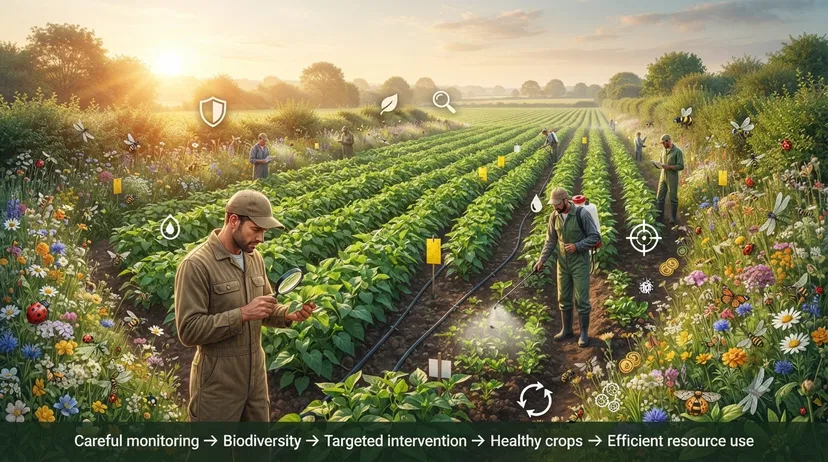
Integrated crop protection should include regular field scouting, sanitation, resistant varieties, and timely application of suitable fungicides and insecticides when required.
Preventive management is generally more effective than responding after severe outbreaks develop.
8. Maintain Operational Flexibility
Changing weather often affects planting, spraying, harvesting, and labor scheduling. Farms that maintain operational flexibility are better able to respond quickly when favorable weather windows appear.
Maintaining equipment, preparing labor resources, and allowing flexibility in field schedules all improve resilience.
9. Reduce Financial Risk
Weather-related losses affect both production and profitability. Financial risk management strategies include crop insurance, diversified marketing, emergency reserves, and accurate farm records.
While financial planning cannot prevent weather events, it helps farms recover more quickly after adverse seasons.
Practical Checklist for Weather Uncertainty
- Maintain healthy soils.
- Choose resilient crop varieties.
- Diversify cropping systems.
- Monitor weather forecasts daily.
- Improve irrigation efficiency.
- Scout regularly for pests and diseases.
- Maintain field drainage.
- Keep equipment ready for changing conditions.
- Review financial risk management annually.
Conclusion
Weather uncertainty has become a permanent part of modern agriculture, but its impact can be reduced through careful planning and resilient farming practices. Healthy soils, diversified cropping systems, efficient water management, reliable weather forecasting, and proactive crop protection all contribute to stronger farm performance.
Rather than attempting to predict every weather event perfectly, successful farmers prepare their operations to perform under a wide range of conditions. Building resilience today helps protect yields, reduce losses, and improve long-term farm sustainability.