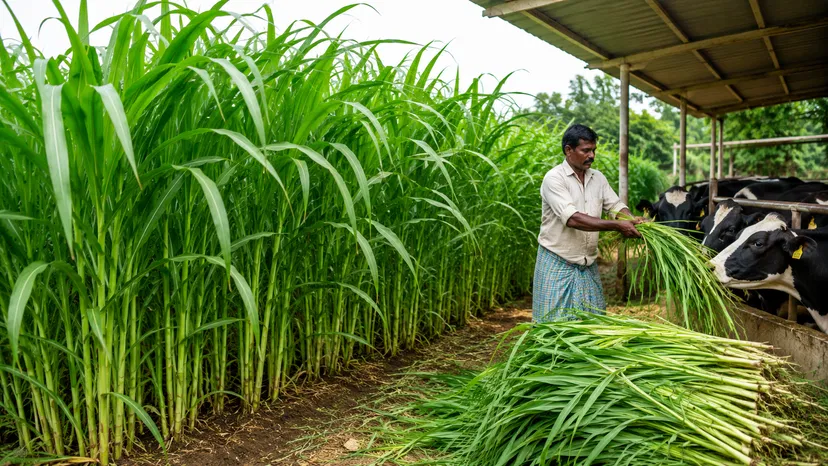
If you want higher milk production, the answer often starts in the feed bunk. A dairy cow's milk yield depends on the quality, balance, and consistency of her diet. The best cow feed for higher milk production is not just one ingredient—it is a carefully planned ration that supports energy, protein, fiber, minerals, and water intake every single day.
Feeding cows for more milk is about more than filling their stomachs. It is about giving the rumen the right conditions to digest efficiently, maintain health, and convert nutrients into rich, high-quality milk. When you choose the right feed, you support stronger cows, better fertility, and more profitable milk production.
Why Cow Feed Matters for Milk Production
Milk is an energy-intensive product. A cow producing large volumes of milk needs a steady supply of nutrients to keep up with demand. Poor-quality feed, unbalanced rations, or sudden diet changes can quickly reduce milk output and affect cow health.
The goal of a dairy feeding program is to provide:
- Enough energy for milk synthesis
- High-quality protein for growth and milk components
- Effective fiber for healthy rumen function
- Essential minerals and vitamins for metabolism and immunity
- Clean water to support feed intake and milk volume
When these needs are met, cows eat better, digest better, and produce more milk consistently.
The Best Cow Feed for Higher Milk Production
The best cow feed for higher milk production is a balanced dairy ration built around quality forage, energy sources, protein supplements, and mineral support. Here are the most effective feed types to include.
1. High-Quality Forage
Forage is the foundation of any dairy cow diet. Good forage improves rumen health and supports sustained milk production. Common forage options include:
- Alfalfa hay
- Grass hay
- Corn silage
- Haylage
- Pasture grass
Alfalfa hay is especially valuable because it is rich in protein, calcium, and digestible fiber. Corn silage is another major milk production feed because it provides highly digestible energy that helps cows maintain output.
Tip: Feed forage that is fresh, clean, and free from mold or dust. Poor forage quality can lower intake and reduce milk production quickly.
2. Energy-Rich Concentrates
Milk cows need extra energy, especially during early lactation. If energy intake is too low, body condition drops and milk yield suffers. Energy-rich feeds help meet this demand.
Top energy feeds include:
- Ground corn
- Barley
- Oats
- Wheat bran
- Molasses
Ground corn is one of the most common dairy energy feeds because it is highly digestible and helps boost milk output. Molasses can improve palatability and encourage cows to eat more, which is useful when intake needs to increase.
These feeds should be included carefully to avoid digestive upset. Too much grain can lead to acidosis, so balance is essential.
3. Protein Supplements
Protein supports milk protein synthesis, tissue repair, and overall health. Dairy cows need enough crude protein in their diet to maintain strong production levels, especially during peak lactation.
Common protein feed sources include:
- Soybean meal
- Canola meal
- Cottonseed meal
- Distillers grains
- Alfalfa meal
Soybean meal is one of the most widely used protein supplements because it is highly digestible and provides excellent amino acid balance. Canola meal is also a valuable option for dairy rations focused on milk production.
A cow's protein needs change depending on stage of lactation, weight, and production level. Feeding too little protein can reduce milk volume, while feeding too much can be wasteful and inefficient.
4. Balanced Mineral and Vitamin Mix
Minerals and vitamins may be required in small amounts, but they have a major impact on milk production and cow health. A deficiency in even one key nutrient can limit performance.
Important nutrients include:
- Calcium for milk synthesis and bone health
- Phosphorus for energy metabolism and reproduction
- Magnesium for nerve and muscle function
- Sodium and potassium for fluid balance and intake
- Vitamin A, D, and E for immunity and metabolism
A complete dairy mineral premix helps prevent deficiencies and supports long-term productivity. This is especially important for high-yielding cows, fresh cows, and cows under heat stress.
5. Clean, Fresh Water
Water is often overlooked, but it is one of the most important "feeds" for milk production. Milk is mostly water, and cows need a large daily supply to maintain output.
A lactating cow may drink many gallons per day, and intake increases with higher milk production, hot weather, and dry feed consumption. Always provide clean, cool, accessible water.
Better water intake often means better feed intake, and better feed intake means more milk.
How to Build the Best Feeding Program for Dairy Cows
The best cow feed for higher milk production is not just about ingredients—it is about balance. A productive dairy ration should combine forage, grain, protein, and minerals in the right proportions.
Here are the key principles:
- Feed quality forage first to support rumen health.
- Add energy feeds gradually to meet milk demand without upsetting digestion.
- Include enough protein for milk protein and body maintenance.
- Use a mineral-vitamin premix to cover trace nutrient needs.
- Provide unlimited clean water at all times.
Cows also benefit from regular feeding times. Consistent access to feed encourages stable rumen activity and reduces stress. When cows are comfortable and can eat freely, they are more likely to produce at their full potential.
Feeding Tips to Increase Milk Yield
Small management improvements can make a big difference in milk production. Use these practical tips to get more from your feeding program:
- Test forage quality before formulating the ration
- Avoid moldy or spoiled feed that can reduce intake
- Keep feed fresh and push it up regularly
- Prevent sudden ration changes that stress the rumen
- Monitor body condition to avoid overfeeding or underfeeding
- Provide shade and cooling in hot weather to protect intake
- Work with a livestock nutritionist for precise ration balancing
Cows that are stressed, overheated, or uncomfortable eat less and produce less milk. Feed strategy should always be paired with good cow comfort and herd management.
Common Feeding Mistakes That Lower Milk Production
Even good feed ingredients can fail if the ration is poorly managed. Avoid these common mistakes:
- Feeding low-quality forage as the main diet
- Overloading the ration with grain
- Ignoring fiber needs
- Skipping mineral supplementation
- Not providing enough water space
- Changing diets too quickly
- Using feed contaminated with mold or toxins
These mistakes can reduce rumen efficiency, lower feed intake, and cause health problems that directly affect milk yield.
Final Thoughts on the Best Cow Feed for Higher Milk Production
The best cow feed for higher milk production is a balanced, high-quality ration built on forage, energy, protein, minerals, and water. No single ingredient can maximize milk on its own. Success comes from feeding cows in a way that supports digestion, health, and steady nutrient intake.
If you want higher milk output, focus on feed quality, ration balance, and consistent management. Healthy cows eat better, and cows that eat well produce more milk.
Start with the right feed, keep it consistent, and your milk production will reflect the difference.