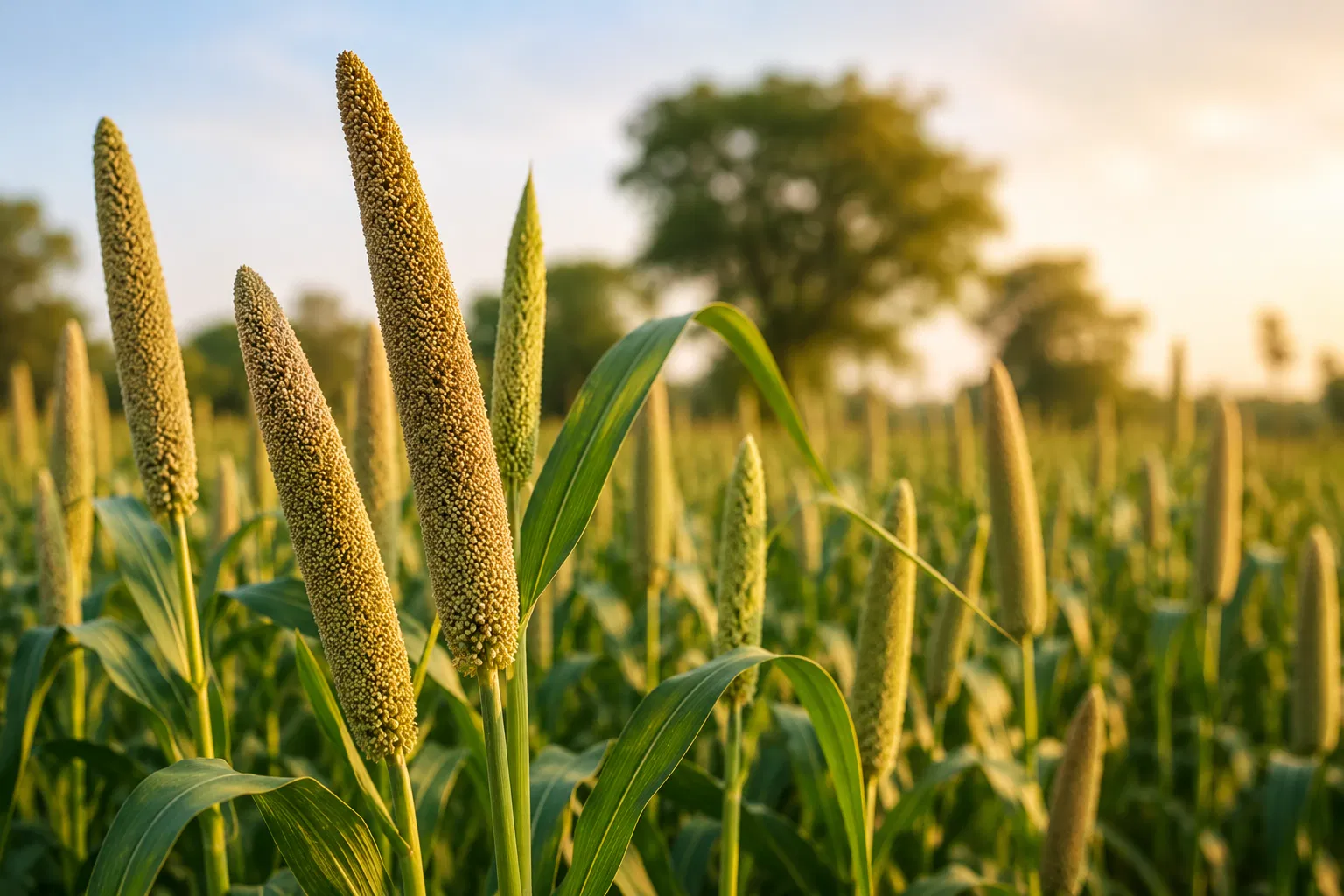
Growing bajra, also known as pearl millet, is one of the smartest choices for dry and semi-arid regions. It is hardy, drought-tolerant, and capable of producing reliable yields even when rainfall is limited. But to get the best results, farmers need the right seed rate, balanced fertilizer management, and practical rainfed crop management techniques.
If you want stronger germination, healthier plants, and better grain or fodder yield, this guide will walk you through the essentials of bajra farming in a simple and useful way.
Why Bajra Farming Is Important
Bajra is an important cereal crop grown widely in arid and semi-arid areas. It performs well under heat, low rainfall, and poor soil conditions where other crops may fail. Farmers grow bajra for grain, fodder, and in mixed cropping systems.
What makes bajra especially valuable is its ability to survive stress while still giving a decent harvest. However, survival alone is not enough. Proper agronomic practices can significantly improve yield, grain quality, and profitability.
Best Seed Rate for Bajra Farming
The seed rate for bajra depends on whether you are growing it for grain, fodder, or hybrid production. Using the right seed rate is important because too much seed leads to overcrowding, weak plants, and poor grain formation, while too little seed reduces plant population and yield.
Recommended Seed Rate
- For grain production: 3 to 4 kg seed per acre
- For hybrid bajra: 1.5 to 2 kg seed per acre
- For fodder production: 4 to 5 kg seed per acre
In case of direct broadcasting, the seed rate may be slightly higher than line sowing. However, line sowing is always preferred because it helps in better spacing, easier weeding, and improved fertilizer use.
Seed Treatment Before Sowing
Seed treatment is a simple but effective step that improves germination and protects seedlings from disease. Before sowing, treat bajra seed with a suitable fungicide or bio-inoculant as recommended for your local conditions.
Benefits of seed treatment include:
- Better germination
- Protection from seed-borne diseases
- Stronger early crop establishment
- More uniform plant stand
Ideal Sowing Method and Spacing
For better crop management, sow bajra in rows. This makes it easier to control weeds and apply fertilizers efficiently. The best spacing depends on the variety and purpose of cultivation.
Recommended Spacing
- Row spacing: 45 cm to 60 cm
- Plant spacing: 10 cm to 15 cm after thinning
After germination, thinning should be done to maintain proper plant population. This ensures each plant gets enough moisture, nutrients, and sunlight, which is especially important in rainfed conditions.
Fertilizer Management in Bajra Farming
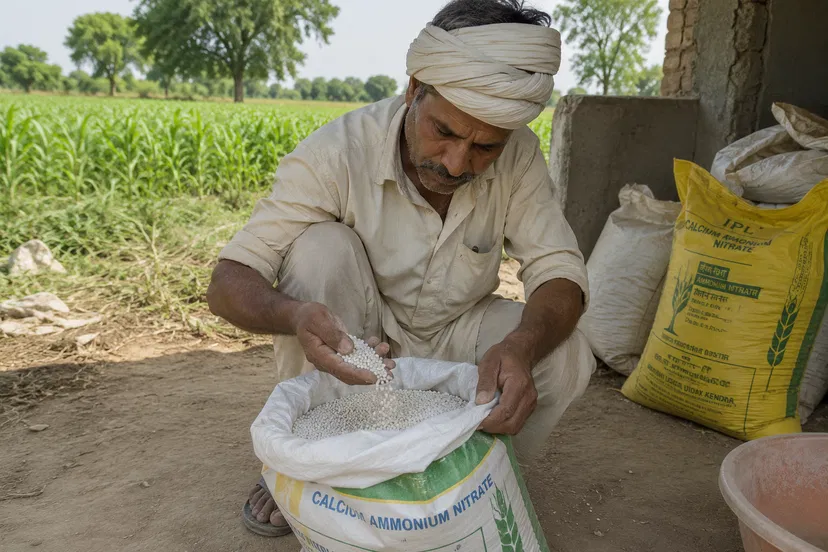
Even though bajra is drought-tolerant and can grow in low-fertility soils, balanced fertilization is essential for good yield. A crop that grows under stress still needs nutrients to develop strong roots, healthy tillers, and full ears.
The fertilizer dose should always be adjusted based on soil test results. If soil testing is not available, general recommendations can be used as a starting point.
General Fertilizer Recommendation per Acre
- Nitrogen (N): 20 to 40 kg
- Phosphorus (P2O5): 10 to 20 kg
- Potash (K2O): 10 to 20 kg
Farmyard manure or compost should also be added to improve soil structure and moisture retention.
How to Apply Fertilizer
- Apply the full dose of phosphorus and potash at sowing time.
- Apply nitrogen in split doses for better efficiency.
- Use organic manure before land preparation if available.
A common practice is to apply half the nitrogen at sowing and the remaining half around 25 to 30 days after sowing, preferably after rainfall or irrigation. This reduces nutrient loss and supports crop growth during critical stages.
Tip: Avoid applying too much nitrogen in rainfed bajra fields. Excess nitrogen can cause weak stems, poor drought tolerance, and lodging during heavy wind or rain.
Role of Micronutrients
In many soils, bajra responds well to micronutrients such as zinc and sulfur. Deficiency of these nutrients can limit yield even when major fertilizers are applied properly. If your field has a history of nutrient deficiency, consult local extension advice for micronutrient application.
Rainfed Management for Bajra Crop
Rainfed bajra farming requires smart water conservation and soil management. Since rainfall is uncertain, the goal is to capture every drop of moisture and reduce losses from evaporation and runoff.
Land Preparation for Rainfed Conditions
Proper land preparation helps conserve moisture. Deep ploughing before the monsoon can improve soil water storage and root penetration. After that, the field should be leveled well to ensure even distribution of rainwater.
- Plough deeply before sowing season
- Break clods and prepare a fine seedbed
- Maintain field leveling to reduce runoff
- Use contour farming where slopes are present
Moisture Conservation Practices
Moisture conservation is the backbone of successful rainfed bajra cultivation. A few practical steps can make a major difference in crop performance.
- Mulching: Use crop residue to reduce evaporation
- Interculture: Light hoeing helps break soil crust and conserve moisture
- Weed control: Weeds compete strongly for water and nutrients
- Ridge and furrow system: Useful in areas with erratic rainfall
Early weed control is especially important because young bajra plants are not strong enough to compete with weeds for moisture. The first 20 to 30 days after sowing are the most critical.
Thinning and Gap Filling
Rainfed fields often suffer from irregular germination. To maintain the correct plant population, inspect the field 10 to 15 days after sowing and fill gaps where needed. Thinning overcrowded spots helps healthy plants grow better and reduces stress on limited soil moisture.
Critical Growth Stages to Watch
Bajra needs special attention at certain stages, especially in rainfed areas. If moisture stress occurs during these stages, yield loss can be significant.
Most Important Stages
- Germination stage: Ensures proper plant establishment
- Tillering stage: Affects the number of productive shoots
- Flowering stage: Highly sensitive to moisture stress
- Grain filling stage: Determines final grain size and quality
If rainfall is available at these stages, the crop performs much better. If irrigation is possible, even one protective irrigation during flowering or grain filling can greatly improve yield.
Common Mistakes to Avoid in Bajra Farming
Many yield problems in bajra come from avoidable mistakes rather than crop limitations. By avoiding these errors, farmers can improve crop success even in dry regions.
- Using too much seed
- Ignoring seed treatment
- Applying all nitrogen at once
- Neglecting weed control in early stages
- Planting without proper spacing
- Failing to conserve soil moisture
Remember, bajra is a resilient crop, but resilience should not be mistaken for neglect tolerance. Good management still matters.
Final Thoughts
Bajra farming can be highly rewarding when managed with the right seed rate, balanced fertilizer application, and careful rainfed crop practices. The crop is naturally tough, but its true yield potential is unlocked through good planning, proper spacing, moisture conservation, and timely nutrient management.
If you are growing bajra this season, focus on strong crop establishment first. Then protect soil moisture, control weeds early, and apply nutrients in a timely manner. These small steps can make a big difference in final yield and profit.
For better bajra harvests, start with the right seed rate, feed the crop wisely, and manage every drop of rain carefully.