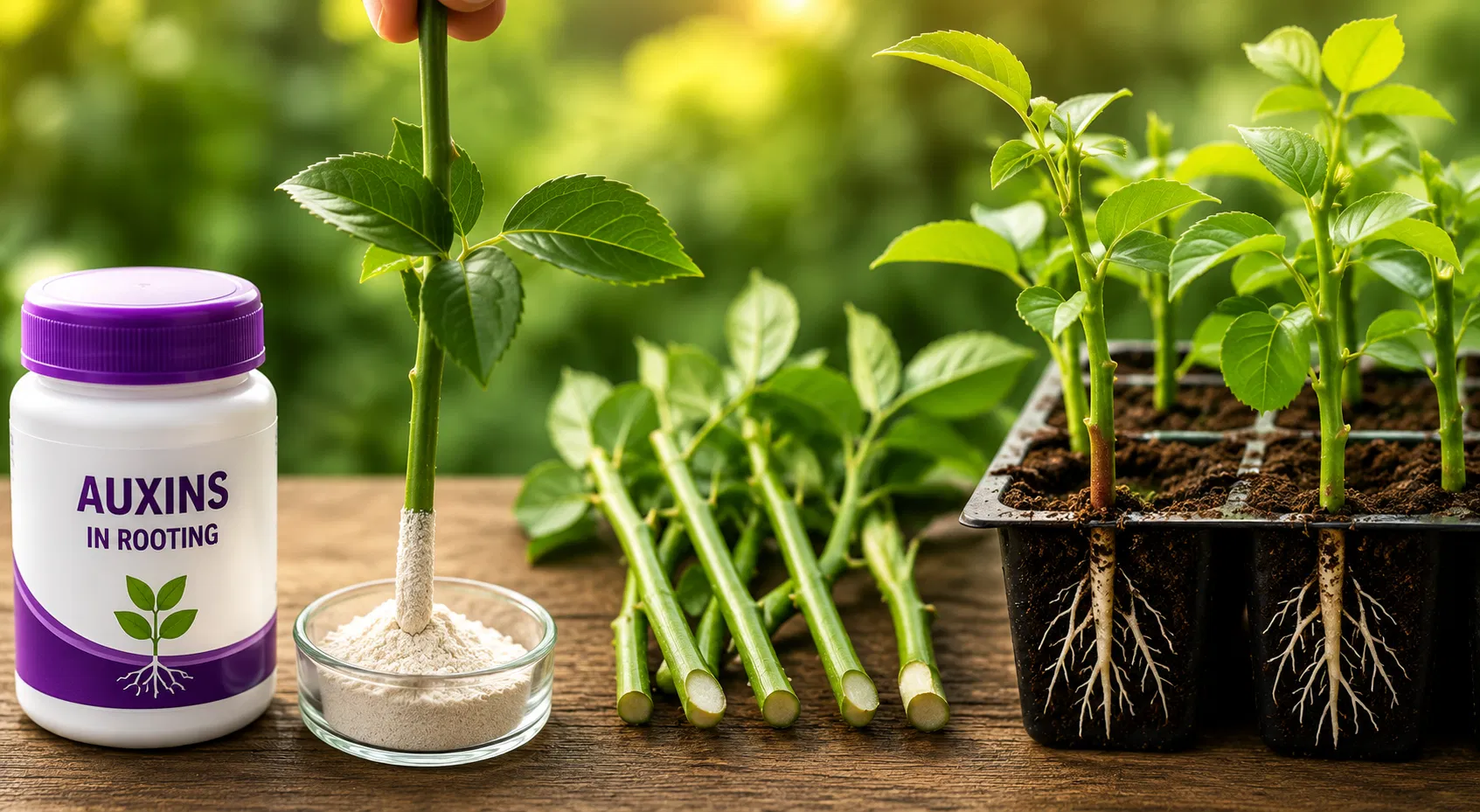
If you've ever taken a plant cutting and waited impatiently for roots to appear, you're not alone. Propagation can be rewarding, but it can also be frustrating when stems rot, dry out, or simply refuse to root. That's where auxins for rooting come in. These natural plant hormones play a major role in root development, and when used correctly, they can dramatically improve your success with cuttings.
Whether you're propagating houseplants, shrubs, succulents, or herbs, understanding how to use rooting hormones for cuttings can help you get faster, healthier results. In this guide, you'll learn what auxins are, how they work, and the best ways to use them for propagation.
What Are Auxins?
Auxins are a group of plant hormones that regulate growth and development. One of their most important jobs is to stimulate root formation. In nature, auxins help plants respond to light, gravity, and injury. For propagation, they are especially valuable because they encourage cuttings to produce new roots from stem tissue.
The most commonly used synthetic auxins in rooting products are:
- IBA (Indole-3-butyric acid)
- NAA (Naphthaleneacetic acid)
These are found in many commercial rooting powders, gels, and liquids. While plants naturally produce auxins on their own, applying additional rooting hormone can give cuttings a strong boost.
Why Auxins Help Cuttings Root
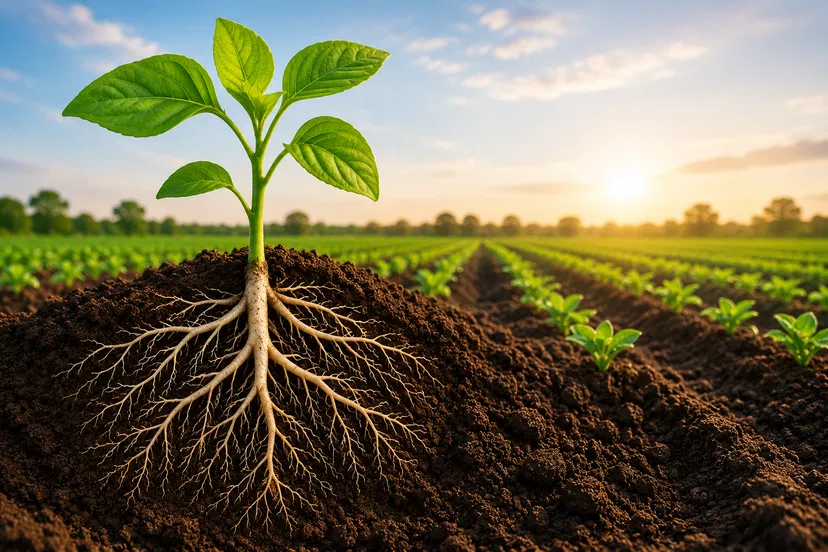
When a cutting is removed from the parent plant, it loses its natural root system. The plant must quickly generate new roots to survive. Auxins support this process by triggering cells near the cut site to divide and develop into root tissue.
Using auxins for rooting can help cuttings:
- Form roots faster
- Develop more roots
- Improve overall propagation success
- Reduce the risk of cutting failure
This is especially useful for plants that are naturally slow to root or more difficult to propagate.
Best Types of Cuttings for Rooting Hormone
Rooting hormone is not required for every cutting, but it is especially helpful for certain plants and cutting types. Soft-stemmed herbs may root easily on their own, while woody or semi-woody plants often benefit more from auxin treatment.
Common cuttings that respond well to auxins include:
- Hardwood cuttings such as hydrangea, rose, and fig
- Semi-hardwood cuttings like rosemary, lavender, and many shrubs
- Softwood cuttings from many ornamental and houseplants
- Stem cuttings from pothos, philodendron, and coleus
If you're working with a plant that's known to root easily, you may still choose to use rooting hormone for a better root system and more consistent results.
How to Use Auxins for Rooting Cuttings
Using rooting hormone correctly matters. Too much can slow rooting or damage the cutting, while too little may not provide much benefit. Follow these steps for the best results.
1. Take a Healthy Cutting
Start with a clean, healthy stem from a vigorous parent plant. Use sharp scissors or pruning shears to make a clean cut just below a node, where roots are most likely to emerge.
2. Remove Lower Leaves
Strip away any leaves that would sit below the soil or rooting medium. This helps prevent rot and allows the cutting to focus energy on root development.
3. Prepare the Rooting Hormone
Choose a product that matches your plant type and propagation method. Rooting hormone comes in different forms:
- Powder – easy to use and widely available
- Gel – clings well to the cutting and reduces waste
- Liquid – useful for dipping or soaking cuttings
For most home gardeners, powder or gel is the easiest place to start.
4. Apply the Hormone
Lightly moisten the cut end of the stem if needed, then dip it into the rooting hormone. Tap off any excess powder. You want a thin, even coating on the lower stem, not a thick clump.
Tip: Only treat the area that will be inserted into the rooting medium. More hormone is not better.
5. Plant the Cutting
Insert the treated stem into a moist, well-draining rooting medium such as perlite, vermiculite, coco coir, or a light potting mix. Firm the medium gently around the base so the cutting stands upright.
6. Keep Conditions Ideal
Cuttings root best in warm, humid, bright conditions with indirect light. Avoid direct sun, which can stress the cutting before roots form.
To improve success:
- Keep the medium slightly moist, not soggy
- Maintain high humidity with a cover or propagation dome
- Provide warmth, especially for tropical plants
- Check regularly for rot or drying out
Common Mistakes to Avoid
Even with the best rooting hormone, a few mistakes can reduce your success rate. Watch out for these common issues:
- Using too much hormone – excess auxin can inhibit rooting
- Starting with weak cuttings – unhealthy stems rarely root well
- Overwatering – too much moisture can cause rot
- Poor sanitation – dirty tools and containers can spread disease
- Too much light or heat – stress can dry out the cutting
Clean tools, fresh medium, and careful moisture control make a big difference.
Do Natural Alternatives Work?
Some gardeners use natural rooting alternatives like willow water, aloe vera, or honey. While these may offer some benefits, they are not as consistent as commercial auxin-based rooting products. If your goal is reliable propagation, especially with difficult plants, a tested rooting hormone is usually the better choice.
That said, natural methods can still be useful for mild support or experimental propagation. Just keep expectations realistic.
Which Rooting Hormone Should You Choose?
The best rooting hormone depends on the plant and your comfort level. For most beginners, a standard product with IBA is a solid option. If you're propagating tougher cuttings, you may want a formula designed for woody plants or higher concentrations.
Here's a simple guide:
- Easy-rooting plants: light powder or gel
- Semi-hardwood cuttings: medium-strength rooting hormone
- Woody cuttings: stronger formula designed for harder-to-root species
Always read the label and follow the manufacturer's instructions for best results.
Final Thoughts on Auxins for Rooting Cuttings
Auxins are one of the most useful tools in plant propagation. When used properly, rooting hormones can speed up root formation, improve success rates, and help you grow stronger new plants from cuttings. The key is to combine the right hormone with healthy plant material, clean tools, and good growing conditions.
If you want better propagation results, start using auxins for rooting cuttings as part of your routine. With a little practice, you'll see how much easier it is to turn one plant into many.
Final insight: Great propagation is not about using the most hormone possible—it's about using the right amount, on the right cutting, at the right time.
Ready to propagate with confidence? Choose a healthy cutting, apply rooting hormone carefully, and give your new plant the best possible start.