When sap-sucking pests start damaging crops, the impact can be fast and costly. Leaves curl, plants weaken, growth slows, and yields drop. That is why many growers rely on Acetamiprid 20% SP as a practical, fast-acting solution for controlling a wide range of insect pests.
This systemic insecticide is widely used in agriculture for its strong action against sucking insects and its ability to protect crops from early damage. If you are looking for a clear guide on Acetamiprid 20% SP uses, dosage, and target pests, this article breaks everything down in a simple and useful way.
What Is Acetamiprid 20% SP?
Acetamiprid 20% SP is a water-soluble insecticide formulation that belongs to the neonicotinoid group. It is designed mainly for the control of sucking pests by acting on their nervous system. Once absorbed by the pest, it disrupts normal feeding and movement, eventually leading to death.
The “20% SP” means the product contains 20% active ingredient in a soluble powder form. This makes it easy to mix with water and apply as a foliar spray. Farmers prefer it because it is convenient to handle, effective at low doses, and suitable for many crops.
How Acetamiprid 20% SP Works
Acetamiprid works by interfering with the nicotinic acetylcholine receptors in the insect’s nervous system. In simple terms, it overstimulates the pest’s nerves, which quickly leads to paralysis and death.
Its systemic and translaminar movement helps it spread within the plant tissue, giving better coverage and longer protection. This makes it especially useful against pests that hide on the underside of leaves or feed by sucking plant sap.
Uses of Acetamiprid 20% SP
Acetamiprid 20% SP is used in a variety of crops where sucking insect pests cause serious damage. It is especially effective in integrated pest management programs because it helps reduce pest pressure before populations become severe.
1. Control of sucking pests
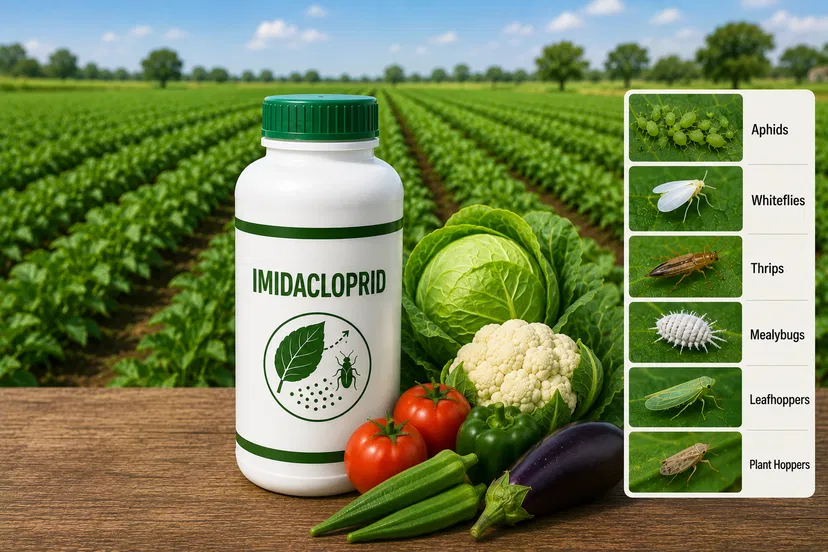
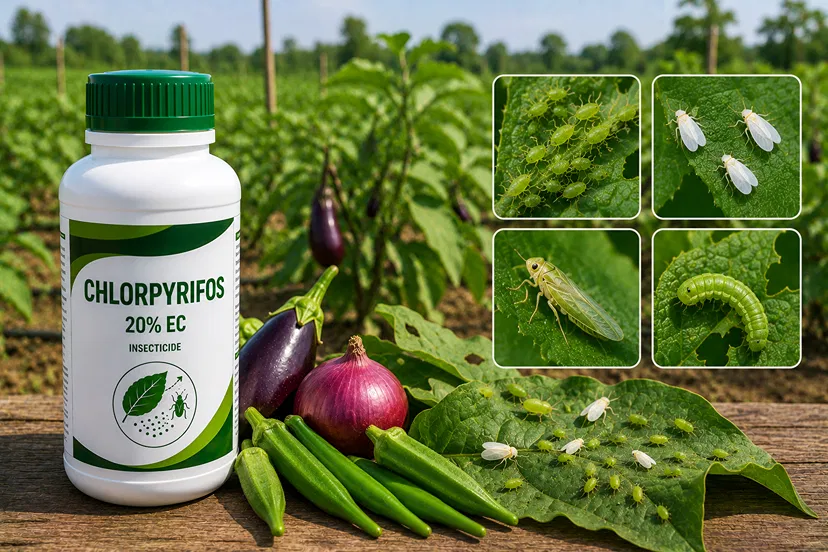
The most common use of Acetamiprid 20% SP is the control of sap-sucking insects such as aphids, whiteflies, jassids, thrips, and leafhoppers. These pests weaken plants by feeding on sap and can also spread plant viruses.
2. Crop protection in vegetables
Vegetable crops are highly vulnerable to insect attack, especially during early growth stages. Acetamiprid 20% SP helps protect crops like okra, tomato, brinjal, chili, cucumber, and beans from major sucking pests.
3. Protection in fruit crops
It is also used in fruit orchards for pest management in crops such as citrus, grapes, and pomegranate. By reducing pest feeding, it helps improve fruit quality, plant vigor, and marketable yield.
4. Use in field crops and commercial plantations
In some regions, Acetamiprid 20% SP is used in cotton, tea, and other commercial crops where sap-sucking pests can cause major economic losses. Its quick action makes it valuable when pest pressure rises suddenly.
Target Pests Controlled by Acetamiprid 20% SP
Acetamiprid 20% SP is best known for its strong activity against soft-bodied and sap-feeding insects. Its main target pests include:
- Aphids
- Whiteflies
- Jassids or leafhoppers
- Thrips
- Mealybugs in some crop situations
- Planthoppers
- Some beetles and minor chewing pests depending on crop and infestation level
Among these, aphids and whiteflies are some of the most common targets because they reproduce quickly and can become difficult to manage if not controlled early.
Recommended Dosage of Acetamiprid 20% SP
The dosage of Acetamiprid 20% SP can vary depending on the crop, pest intensity, and local agricultural recommendations. Always follow the label instructions of the specific product you are using.
A commonly used foliar spray rate is:
Acetamiprid 20% SP: 0.2 to 0.4 grams per liter of water
This usually translates to approximately 40 to 80 grams per acre, depending on spray volume and crop canopy. However, the exact dose may differ based on pest pressure and crop type.
General application guidelines
- Mix the required quantity in clean water and stir well.
- Spray evenly on the foliage, especially on the lower leaf surface.
- Apply during early morning or late afternoon for better results.
- Avoid spraying during strong sunlight or windy conditions.
- Use enough water to ensure full coverage of the plant.
Examples of dosage use
- For vegetables: 0.2 to 0.3 g per liter of water
- For fruit crops: 0.3 to 0.4 g per liter of water
- For heavy pest infestation: follow label-based higher recommended rates if permitted
Note: The best dose depends on crop stage, infestation severity, and regional agricultural guidance.
Best Time to Apply Acetamiprid 20% SP
Timing is important for getting the best control. Acetamiprid 20% SP works best when applied at the early stage of pest infestation. Waiting too long allows the pest population to grow and may reduce overall effectiveness.
For maximum benefit, apply the spray:
- When the first signs of sucking pests appear
- During early crop growth stages if pest risk is high
- Before pests cause visible curling, yellowing, or stunting
If needed, repeat the application according to label recommendations and local expert advice, while avoiding unnecessary overuse.
Advantages of Acetamiprid 20% SP
Acetamiprid 20% SP is popular because it offers several practical benefits in crop protection.
- Fast action against target pests
- Effective at low dosage
- Easy to dissolve in water
- Systemic movement within plant tissue
- Useful against hidden pests feeding under leaves
- Suitable for multiple crops
These qualities make it a valuable tool for farmers who need reliable pest control during critical crop stages.
Precautions for Safe Use
Like all crop protection products, Acetamiprid 20% SP should be used carefully to ensure safety and effectiveness.
- Always read and follow the product label.
- Wear protective gloves, mask, and suitable clothing during mixing and spraying.
- Do not eat, drink, or smoke while handling the product.
- Avoid spray drift onto nearby crops, water bodies, or beneficial insects.
- Do not exceed the recommended dosage.
- Store the product in a cool, dry place away from children and animals.
It is also important to rotate insecticides with different modes of action to reduce the risk of pest resistance.
Why Acetamiprid 20% SP Is a Smart Pest Management Choice
For growers facing recurring attacks from aphids, whiteflies, thrips, and similar pests, Acetamiprid 20% SP offers an efficient control option. Its systemic action, broad usefulness in crops, and strong performance at low dosage make it a dependable solution in modern pest management.
When used correctly and at the right time, it can protect plant health, reduce crop damage, and support better yield outcomes.
Conclusion
Acetamiprid 20% SP is a powerful insecticide for managing major sucking pests in vegetables, fruits, and field crops. Its key strengths lie in its quick action, ease of use, and effectiveness against pests that can severely damage crop quality and yield.
If you want better results, focus on early application, proper dosage, and careful spray coverage. Use it responsibly, follow label directions, and include it as part of a broader pest management plan for long-term success.
For healthier crops and better pest control, use Acetamiprid 20% SP wisely and at the right time.